


A Tradition of Comfort in a Bowl
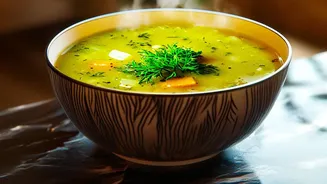
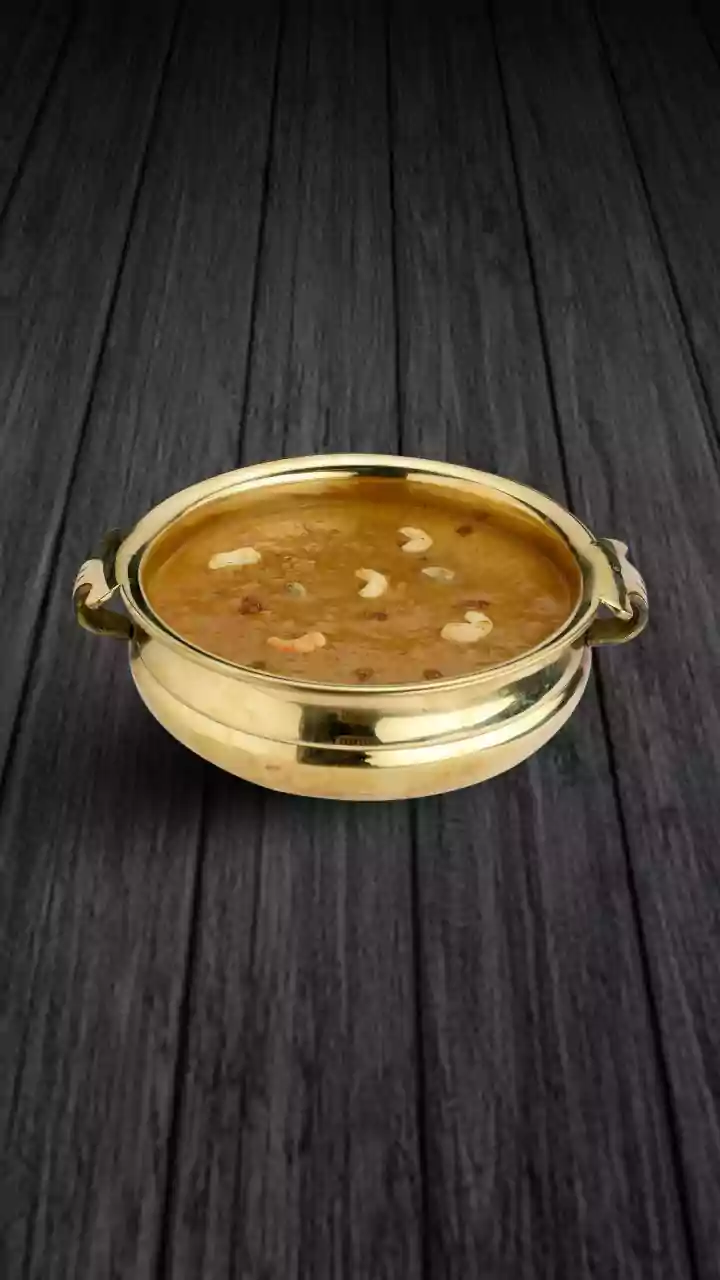
In countless South Indian households, the aroma of bubbling rasam is synonymous with care and recovery. Known as 'milagu rasam' in Tamil, this thin, peppery broth is more than just food; it's a ritual. When someone is down with a cold, cough, or fever,
a warm bowl of rasam is often the first thing offered. Its fluid consistency helps with hydration, which is crucial during any illness, while its lightness makes it easy to digest when appetite is low. Often served with soft-cooked rice or sipped on its own like a soup, pepper rasam is prized for the immediate sense of warmth and relief it provides, making it the ultimate comfort food for many during periods of sickness.
Understanding the Key Ingredients
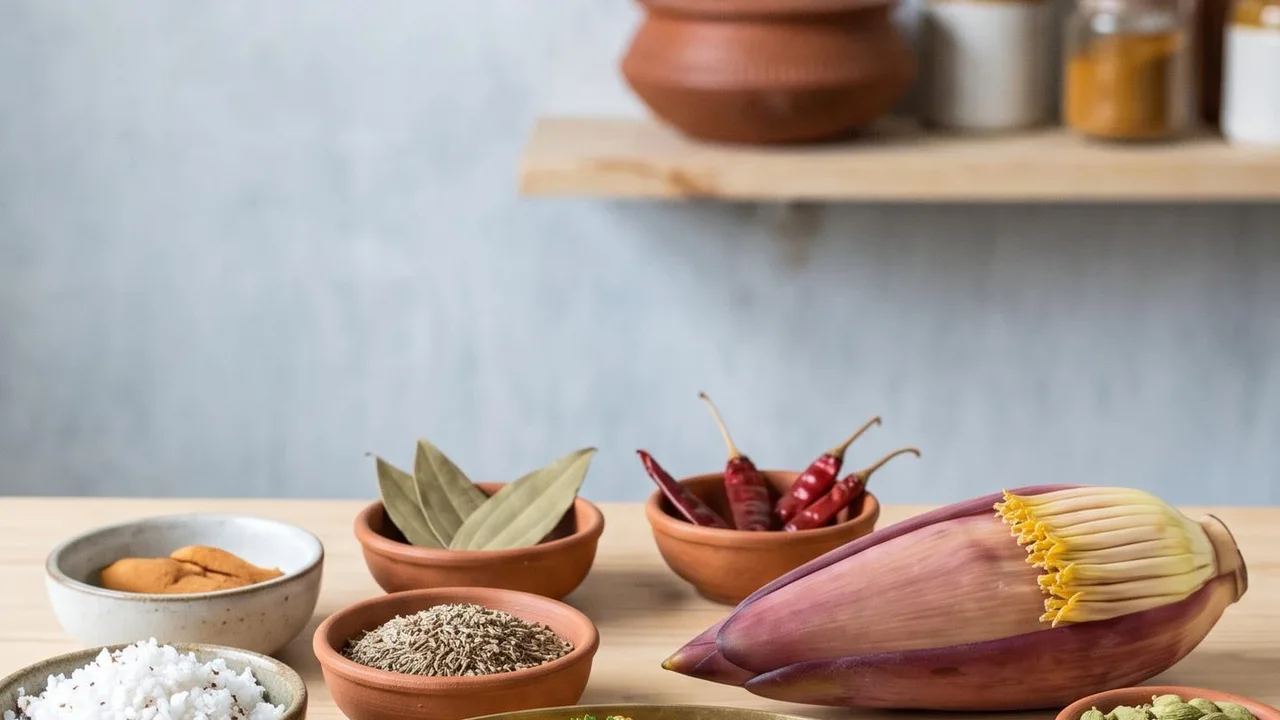
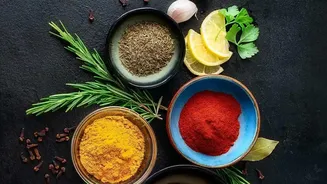
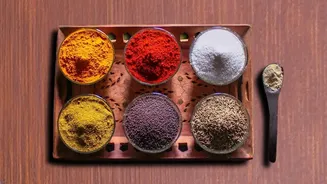
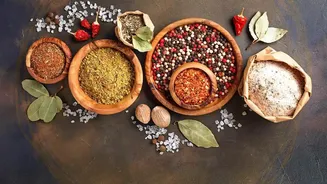
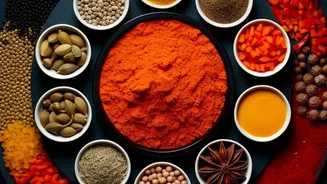
The magic of pepper rasam lies in its simple yet potent blend of spices. Black pepper, the star ingredient, contains piperine, a compound traditionally valued for its warming properties. It's often used in home remedies to help ease congestion and soothe a sore throat. Cumin and garlic, also mainstays in the recipe, are known for their distinct aromas and roles in traditional wellness. Garlic contains compounds like allicin which have been studied for their antimicrobial properties, while cumin is a digestive aid. Tamarind provides the rasam’s signature tangy base and is rich in antioxidants. Together, these ingredients create a flavourful, aromatic broth that feels deeply nourishing.
Comfort, Not a Cure: Managing Expectations
While pepper rasam is a cherished home remedy, it's essential to understand its role correctly. No single food or drink can cure the flu, which is a viral infection that must run its course. Scientific studies have not proven that pepper rasam can eliminate the influenza virus or shorten the duration of the illness. Its benefits are primarily supportive. The warmth of the broth can soothe a sore throat, the steam can help temporarily clear nasal passages, and its liquid nature supports hydration—all of which can make you feel more comfortable while your body fights the infection. Rasam is a nourishing food that supports recovery, much like chicken soup or other broths, but it is not a substitute for rest, proper hydration, and medical advice if symptoms are severe.
Simple Pepper Rasam (Milagu Rasam) Recipe
This recipe focuses on the core ingredients for a classic, comforting pepper rasam. It can be prepared in under 20 minutes.Ingredients for the Spice Powder:- 1.5 tsp black peppercorns- 1.5 tsp cumin seeds- 4-5 cloves of garlicFor the Rasam:- 1 small lime-sized ball of tamarind, soaked in 1 cup of warm water- 1 ripe tomato, roughly chopped (optional)- 1/4 tsp turmeric powder- A pinch of asafoetida (hing)- Salt to taste- 3 cups of water- Fresh coriander leaves, choppedFor Tempering (Tadka):- 1 tsp ghee or oil- 1/2 tsp mustard seeds- 1 dry red chilli, broken- 1 sprig of curry leavesInstructions:1. First, make the spice powder by coarsely grinding the peppercorns, cumin seeds, and garlic. You can use a mortar and pestle or a small mixer grinder.2. Squeeze the soaked tamarind to extract its juice into a pot. Discard the pulp.3. To the pot, add the chopped tomato (if using), turmeric powder, asafoetida, salt, and the 3 cups of water.4. Bring this mixture to a boil and let it simmer for about 5-7 minutes until the raw smell of the tamarind disappears.5. Add the freshly ground pepper-cumin-garlic powder to the pot and let it simmer for another 2-3 minutes. Do not over-boil after adding the spices, as this can make it bitter. The rasam should become frothy.6. In a separate small pan, prepare the tempering. Heat the ghee, add mustard seeds and let them splutter. Then add the dry red chilli and curry leaves.7. Pour the hot tempering over the rasam. Garnish with fresh coriander leaves and serve hot.
How to Best Enjoy Your Rasam
Pepper rasam is wonderfully versatile. The most common way to enjoy it is poured over a bowl of hot, steamed rice, often with a dollop of ghee to round out the flavours. The combination is light on the stomach and easy to eat, even with a poor appetite. Alternatively, you can simply sip it warm from a cup or tumbler as you would a soup. This is particularly comforting when dealing with a sore throat or chills. The peppery heat provides a soothing sensation that spreads through the body, offering a moment of welcome relief when you’re feeling under the weather. For added nourishment, some variations include cooked lentils (toor dal), but the simple version without dal is often preferred during illness for its lightness.