






Beyond the Familiar Favorites
For years, dining out at an Indian restaurant, whether in a bustling metro or a quiet town, often meant encountering a familiar cast of characters: butter chicken, dal makhani, paneer tikka, and a selection of biryanis. While delicious and beloved, this
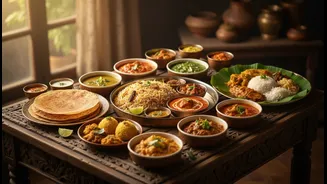
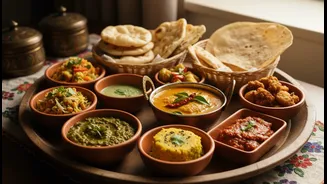
menu represented a narrow slice of India's immense culinary diversity, largely dominated by popular North Indian and Mughlai dishes. This standardization created a reliable but repetitive experience. Today, however, that landscape is changing dramatically. A growing number of restaurateurs and chefs are looking past the tried-and-tested, digging deep into the culinary traditions of individual states and communities to offer diners a more authentic and diverse taste of India. The era of the generic "Indian" menu is giving way to a new chapter defined by regional pride and specificity.
A Celebration of Regional Stars
This new wave is bringing lesser-known culinary traditions into the spotlight. In major cities, restaurants dedicated to specific regional cuisines are thriving. Diners can now explore the unique, mustard-oil-infused flavours of Bihari food, with dishes like litti chokha and Champaran meat finding a dedicated following at establishments like The Potbelly in Delhi. Similarly, the subtle and distinct flavours of Odisha, once confined to home kitchens, are now being celebrated in restaurants like Odisha Hotel, which has expanded to cities like Bengaluru and Pune. This trend extends across the country, with chefs championing everything from the coastal cuisine of Kerala and the fiery dishes of Nagaland to the rustic food of Uttarakhand and the royal recipes of Murshidabad. This movement is about more than just new dishes; it's about showcasing the unique ingredients, cooking methods, and cultural stories behind the food of each region.
What's Driving This Culinary Shift?
Several factors are fueling this delicious revolution. Today's Indian diners are more well-travelled and adventurous, actively seeking new and authentic experiences. Spurred by food blogs, travel shows, and social media, there's a growing curiosity to explore the nation's rich heritage through its food. This shift is also chef-driven. A new generation of culinary leaders is proudly turning to their own roots, reviving forgotten family recipes and championing indigenous ingredients. Chefs like Gaurav Gupta and Shantanu Mehrotra are focusing on presenting traditional recipes with modern finesse, proving that regional Indian food can be a fine-dining experience. This focus on authenticity offers a compelling story that resonates with diners who want to know the origins of their meal. The result is a renewed confidence in presenting Indian food on its own terms, without simplifying it for a wider audience.
From Niche to Mainstream
What began in high-end restaurants and niche pop-ups is now becoming a mainstream movement. The demand for regional authenticity is influencing everything from casual cafes to delivery-only cloud kitchens. In cities like Delhi, diners have a wide array of options for specific cuisines like Bihari food, from government-run canteens at Dilli Haat to trendy rooftop cafes. This increased accessibility makes it easier than ever for people to explore beyond their culinary comfort zones. The trend reflects a broader cultural shift towards celebrating local identity. As chefs and entrepreneurs rediscover the value of hyperlocal ingredients and traditions, they are creating a more vibrant and honest food scene that reflects the true diversity of India.