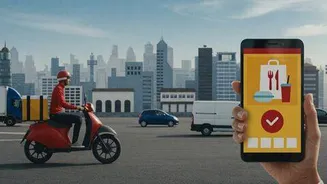







A Tripling of Appetite
The numbers paint a vivid picture of this transformation. According to a recent report from market research firm Redseer, food delivery transactions in Tier-2 and smaller cities have tripled, surging from approximately 60 million in Fiscal Year 2021 to 180
million in FY26. This explosion in growth signifies a major shift in consumer behaviour and a massive new frontier for food-tech giants like Zomato and Swiggy. While metros still account for the majority of orders, the growth rate in these emerging markets is significantly faster, highlighting a broadening of the digital economy into the heartland of India. This isn't just about more people ordering food; it's a sign of rising aspirations, increased digital fluency, and a new definition of convenience taking root across the country.
The Digital Foundation for Growth
This boom didn't happen in a vacuum. It’s built on the back of India's remarkable digital transformation. The widespread availability of affordable smartphones and some of the world's cheapest data plans have put online services within reach for hundreds of millions. This, combined with the seamlessness of the Unified Payments Interface (UPI), has removed major friction points for first-time users in smaller towns. People who were once hesitant are now comfortable browsing menus, placing orders, and making digital payments. Government initiatives like Digital India have further bolstered this ecosystem, creating a fertile ground for platforms to expand their reach far beyond their original urban strongholds.
From Occasional Treat to Everyday Habit
The COVID-19 pandemic acted as a powerful catalyst, accelerating the adoption of food delivery services nationwide. What started as a necessity during lockdowns has since evolved into a regular habit for many. The convenience of getting a meal delivered is a powerful proposition for busy families, young professionals, and students, regardless of their location. This shift from an occasional indulgence to a routine part of life is crucial. Platforms are no longer just serving weekend cravings; they are catering to daily meal occasions like lunch and dinner, deepening their integration into the fabric of everyday life in cities like Jaipur, Lucknow, Kochi, and Nagpur.
The Economic Ripple Effect
The expansion of food delivery services is creating significant economic ripples in local communities. For local restaurants, these platforms have opened up a vital new sales channel, allowing them to reach a much wider customer base without investing heavily in their own delivery infrastructure. This has led to the rise of 'cloud kitchens'—delivery-only restaurants that can operate with lower overheads, making them a viable business model in cost-sensitive smaller markets. Furthermore, this growth generates employment, creating a large number of delivery partner jobs that provide flexible income opportunities. The entire supply chain, from local farmers to packaging suppliers, also benefits from the increased demand.
A New Playbook for a New Market
Serving these new markets requires a different strategy than the one that worked in the metros. Consumers in Tier-2 and Tier-3 cities are often more value-conscious. Platforms and restaurants are adapting by creating menus with accessible price points and focusing on local culinary preferences. The competitive landscape is also different, with lower operational costs for things like real estate, which makes the unit economics potentially more sustainable in the long run. As the market matures, the focus is shifting from just acquiring new users to increasing order frequency, a key metric for long-term profitability. This involves building loyalty and ensuring a consistent, reliable service that wins over customers one delivery at a time.