



The New Epicenter of Beauty
For decades, the narrative of Indian beauty was written in its major metropolitan cities. Premium brands launched in Delhi and Mumbai, trends trickled down from Bengaluru, and the country's biggest spenders were thought to reside in these urban hubs.
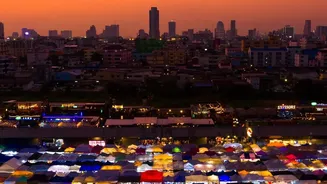
That script is now being completely rewritten. The new growth engine of India’s burgeoning beauty and personal care market—now valued at over $30 billion—is found in Tier 2 and Tier 3 cities. From Lucknow and Jaipur to Guwahati and Coimbatore, a quiet revolution is underway. Major e-commerce platforms report that the majority of their beauty sales and product searches now originate from outside the metros. In fact, over half of the demand for premium beauty products is now being driven by these smaller cities, signaling a seismic shift in the country's consumption landscape. This isn't just about more people buying soap or shampoo; it's about a deep-seated change in aspirations, awareness, and access.
What's Driving the Demand?
Several powerful forces are converging to fuel this trend. The most significant is the combination of rising disposable incomes and the rapid expansion of internet access. With greater financial independence, consumers in non-metro areas are looking to upgrade their lifestyles, and beauty is a key area of investment. They are no longer just buying basic products but are actively seeking solutions for specific concerns like acne, pigmentation, and hair fall. This growing awareness is being amplified by social media. Platforms like Instagram and YouTube have democratized beauty knowledge, giving consumers in towns like Cuttack or Sangli access to the same global trends, ingredient information, and tutorials as someone in a metro city. They follow regional-language influencers, watch product reviews, and have developed a sophisticated understanding of what they want, from science-backed skincare to clean, natural formulations.
The E-commerce Revolution
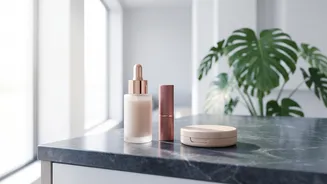
If social media created the desire, e-commerce delivered the products. Digital marketplaces like Nykaa, Amazon, and Flipkart have been instrumental in bridging the gap between brands and this new consumer base. They have effectively erased the geographical barriers that once limited access to a wide range of products. A shopper in a small town no longer has to wait for a brand to open a physical store; they can have the latest serum or foundation delivered to their doorstep. The rise of 'quick commerce' platforms such as Zepto and Blinkit has further accelerated this shift, turning beauty into an impulse-driven category with deliveries possible in minutes. This digital infrastructure has not only benefited established players but has also been a launchpad for a new generation of Direct-to-Consumer (D2C) brands that are connecting directly with shoppers across the country.
How Brands Are Responding
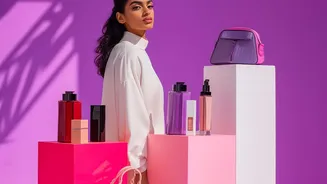
Smart brands are quickly adapting to this new reality. Homegrown D2C companies have been particularly agile, winning over non-metro consumers with ingredient transparency, accessible price points, and products tailored to Indian skin and hair needs. Many have found that over 60% of their new customers come from Tier 2 and 3 cities. To build trust, these digitally native brands are now pursuing an omnichannel strategy, opening physical stores in these emerging markets to give customers a 'touch-and-feel' experience. Even global luxury brands are taking note, expanding their presence into cities like Lucknow and Indore. Strategies are also becoming more localized, from collaborating with regional influencers to offering smaller, trial-sized products that lower the barrier for first-time buyers in a value-conscious market.