



The Obvious Hurdle: Charging Infrastructure
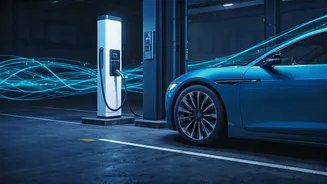
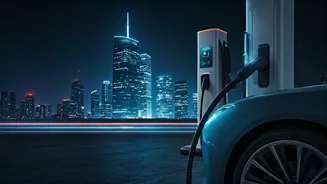
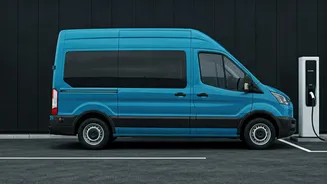
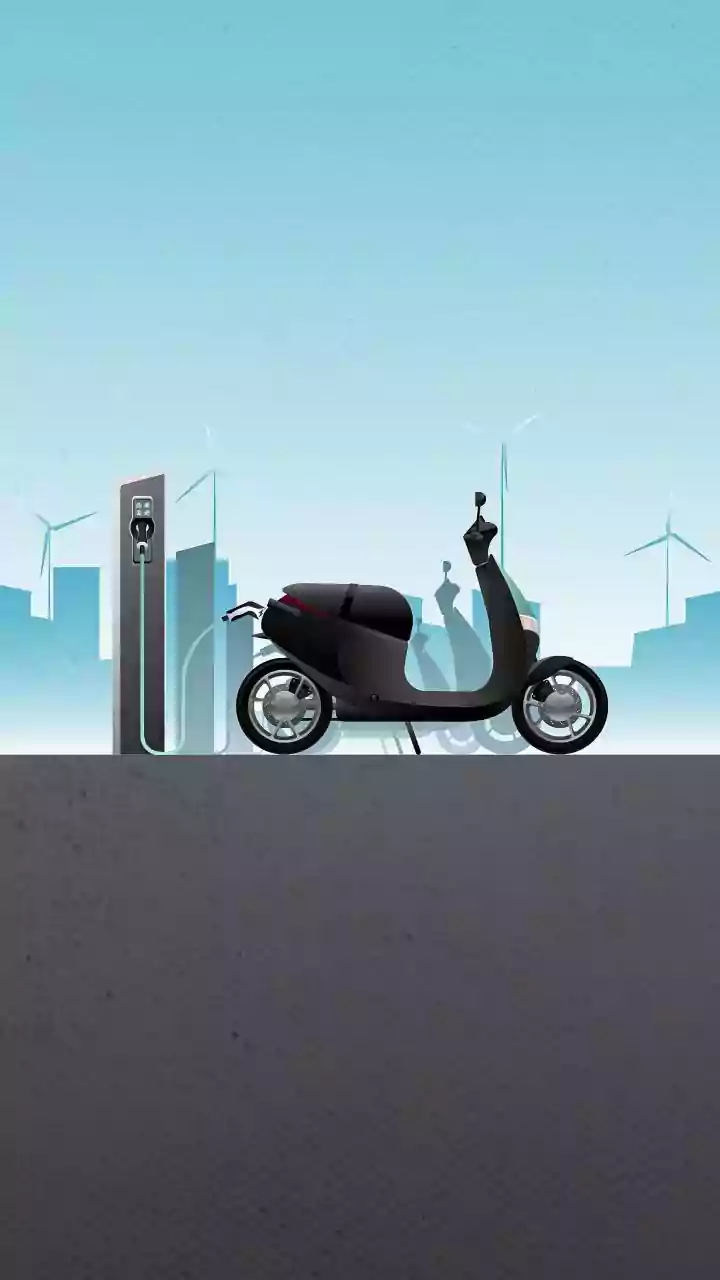
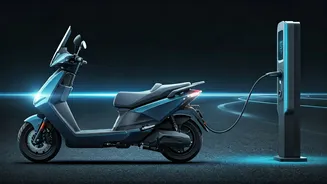
The most visible challenge is the classic chicken-and-egg problem of charging infrastructure. While EV sales are climbing, the network of public charging stations is struggling to keep pace. [3] As of early 2026, India has around 29,000 public charging points,
a significant increase but still a drop in the ocean compared to the projected need of over a million by 2030. [3, 16] This scarcity creates "range anxiety," a major deterrent for potential buyers, especially for long-distance travel. [19] The problem is compounded by an uneven rollout, with most chargers concentrated in major cities, leaving tier-2, tier-3 cities, and crucial highway corridors underserved. [2, 19] Reports of non-operational stations further erode consumer confidence. [3] Until a dense, reliable, and accessible charging network becomes a reality, EVs will remain a niche for many.
Powering the Plug: Grid Readiness
Simply installing chargers isn't enough; the electricity grid itself must be prepared for a massive increase in demand. [23] Large-scale, simultaneous EV charging, particularly with high-speed DC chargers, can place immense strain on local distribution networks and transformers, potentially causing fluctuations and failures. [3] Experts warn that without smart grid technologies, the transition from oil dependence could simply become a shift to coal dependence. [23] The solution lies in integrated planning that pairs EV adoption with grid upgrades and a greater reliance on renewable energy. [24] This includes promoting daytime charging to utilize abundant solar power and using EV batteries as storage buffers to help stabilize the grid, turning a potential problem into a part of the solution. [3]
The Heart of the Matter: The Battery Bottleneck
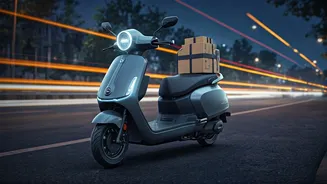
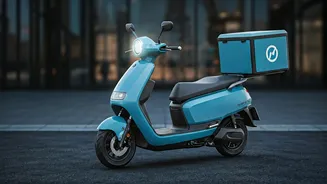
At the core of every EV is its battery, and here India faces a significant strategic vulnerability. The country is heavily dependent on imports, especially from China, for critical components like lithium-ion cells and other essential minerals. [2, 17] This reliance exposes the market to global supply chain disruptions and price volatility, which can directly impact vehicle costs and production timelines. [3] While the government's Production Linked Incentive (PLI) schemes aim to boost domestic battery manufacturing, these gigafactories will take years to scale. [2] For the dominant two and three-wheeler segments, battery swapping offers a compelling alternative. [28] By allowing users to exchange a depleted battery for a charged one in minutes, it reduces the vehicle's upfront cost, eliminates range anxiety, and minimizes downtime for commercial operators. [28] A clear and consistent policy on battery swapping and interoperability standards is crucial to unlock this potential. [15, 30]
Unlocking Affordability: The Financing Puzzle
For the average Indian buyer, the biggest roadblock is the high upfront cost of an EV, which can be nearly three times that of a comparable petrol car. [17] While lower running costs offer long-term savings, the initial purchase price is a steep barrier. [17] The financing ecosystem has been slow to adapt. Lenders often perceive higher risks with EVs due to uncertainties about battery life and resale value. [4] This results in less favourable loan terms, such as higher interest rates (up to 25% for two-wheelers), shorter tenures, and lower loan-to-value ratios compared to their internal combustion engine (ICE) counterparts. [4, 14] Overcoming this requires financial institutions to develop specific products for EVs, and for the industry to establish a credible secondary market to build confidence in asset valuation. [4]
A Cohesive Policy Ecosystem
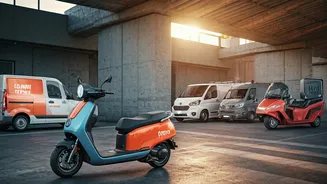
Government initiatives like the FAME (Faster Adoption and Manufacturing of Electric Vehicles) scheme have been vital in stimulating demand, particularly for two- and three-wheelers. [5, 7] However, policies often feel fragmented. The upcoming FAME III, for instance, is expected to continue focusing on smaller vehicles and potentially exclude four-wheelers from subsidies. [7, 10] A truly successful transition requires a holistic policy framework that aligns the transport, energy, and industrial sectors. This means connecting subsidies not just to vehicle sales, but to the entire value chain—from localising battery production and skilling the workforce to incentivising smart charging and grid integration. [9, 20] The goal should be to move beyond simply selling cars to building a self-reliant, sustainable, and integrated electric mobility ecosystem. [9]