





The Problem with the lonely artifact
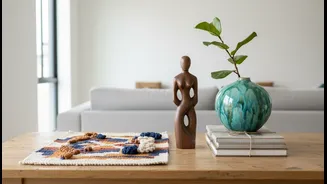
We’ve all seen it: the elegant, minimalist living room with a single, brightly coloured tribal mask on the wall, or a solitary wooden elephant from a holiday trip sitting on a vast, empty shelf. This is decorative tokenism. It’s the act of using a cultural
object as a shorthand for being well-travelled, cultured, or eclectic, without any real connection to the object itself. The item becomes a prop, stripped of its context, its story, and its soul. It’s an aesthetic checkbox ticked, rather than a meaningful part of the home. This approach, while often well-intentioned, reduces rich cultural heritage into a fleeting trend. It suggests that a craft's only value is its ability to provide a 'pop of colour' or an exotic accent, rather than recognising it as the product of generational skill and storytelling.
Shift Your Mindset: From Object to Story
To move beyond tokenism, the first step is a mental shift. Stop seeing handcrafted items as just 'decor'. These are not just things; they are stories, legacies, and livelihoods captured in physical form. A hand-carved wooden panel is not merely a wall hanging; it’s a record of a carver’s skill, a forest’s timber, and a region's unique design language. A Kantha-stitched quilt is not just a throw; it’s a tapestry of repurposed materials and the quiet labour of women sharing stories. When you buy an artisan-made piece, you are not just acquiring an object; you are becoming a custodian of its story. This perspective changes everything. It compels you to learn, to ask questions, and to choose pieces that resonate with you on a deeper level than just their visual appeal.
Integrate, Don't Isolate
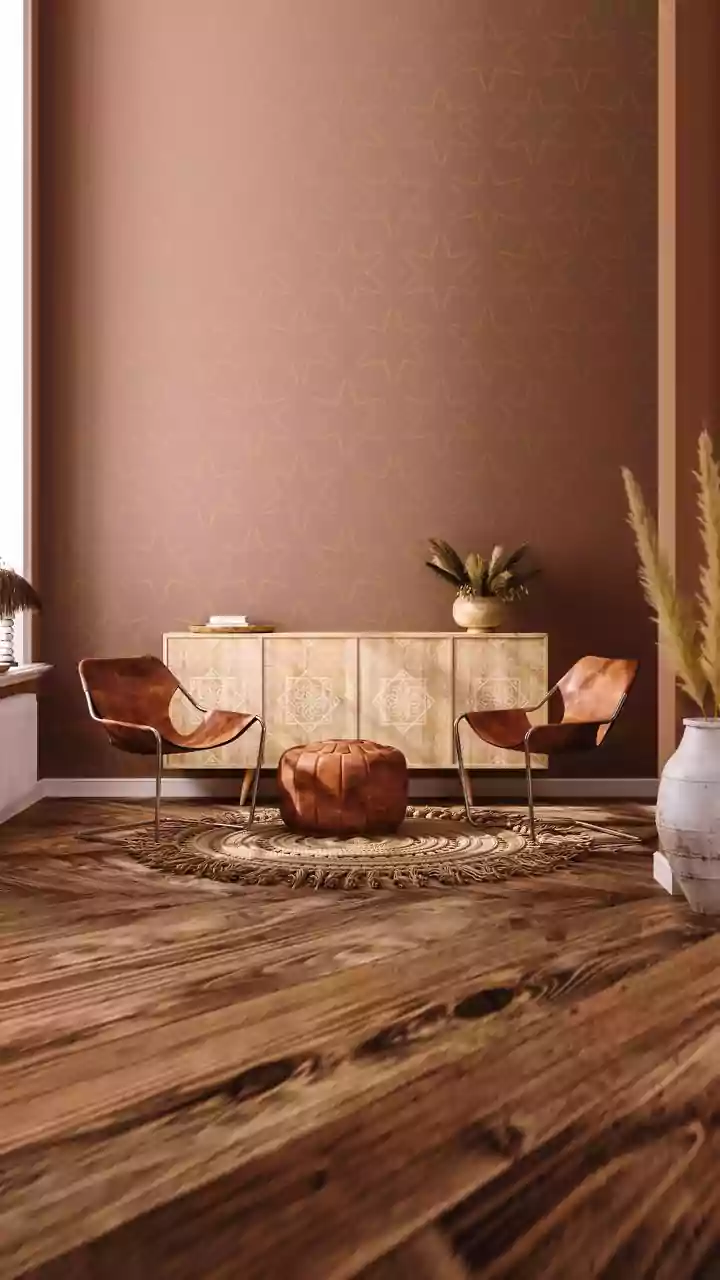
The key to authentic integration is to make the craft a functional or architectural part of the room. Instead of isolating a small craft item, think about how its principles, materials, or patterns can be woven into the fabric of your space. Consider using hand-painted tiles for a kitchen backsplash or bathroom floor, turning a functional surface into a work of art. Use handwoven textiles like Ikat or Chanderi not just for cushions, but for curtains that filter light beautifully. A beautifully carved wooden screen (jali) can function as a room divider, playing with light and shadow while adding intricate detail. By making the craft useful, you give it purpose and a permanent place in your home's daily life. It ceases to be an afterthought and becomes a foundational element.
Build a Narrative Through Collection
One statement piece can sometimes feel tokenistic, but a thoughtful collection tells a story. This doesn't mean cluttering your home. It means curating a group of objects that are in conversation with each other. You could build a gallery wall that mixes a traditional Pattachitra or Madhubani painting with contemporary prints, creating a dialogue between old and new. Or, you could collect ceramics from a specific region, showcasing the evolution of a style across different pots, bowls, and vases. Another approach is to focus on a single material, like brass, and collect different functional items—lamps, bowls, and trays—that show the versatility of the craft. This approach transforms your home into a personal gallery that reflects your journey and interests, rather than a showroom of disconnected objects.
Function First, Form Follows
One of the most respectful ways to use a craft is to use it for its intended purpose. A hand-carved spice box shouldn't just sit on a shelf; it can be used to hold jewellery or desk supplies. A beautiful Dhurrie rug is meant to be walked on, adding warmth and texture underfoot. Terracotta pots can, and should, be used for plants. When we use these items as they were meant to be used, we connect with the artisan's original intent. This functional approach ensures the craft is a living part of your home. It forces you to consider the practicality and durability of the item, which are often hallmarks of great craftsmanship. This focus on function grounds the object in reality and prevents it from becoming a precious, untouchable museum piece.