



What Exactly Is Slow Travel?
Slow travel is less about your speed of movement and more about your state of mind. It’s a conscious decision to experience a destination deeply rather than broadly. Instead of ticking off five cities in seven days, you might choose to stay in one region,
using it as a base to explore. The goal is to move beyond being a tourist and become a temporary local, absorbing the culture, rhythms, and environment of a place. This approach prioritises quality of experiences over quantity of sights, leading to a more restful and fulfilling vacation. It means ditching the packed itinerary and allowing space for spontaneous discoveries, whether that’s a long conversation with a shopkeeper or an unplanned afternoon spent at a local café.
From Checklist to Connection
The first step is a mental shift. Many Indian travellers are used to maximising a trip, ensuring every famous landmark is photographed. Slow travel asks a different question: instead of 'How much can I see?', it asks, 'How deeply can I experience this place?'. This means moving from a 'fear of missing out' to a 'joy of missing out' on the crowds and stress. The benefits are immense. A slower pace reduces the travel-related stress and burnout that comes from constant transit and tight schedules. It fosters deeper cultural immersion, allowing you to understand customs, try authentic food, and build genuine connections with local people. This shift doesn’t mean sacrificing comfort; it's about curating a more personal and enriching journey.
The 70/30 Planning Rule
Balancing iconic attractions with local flavour doesn’t have to be complicated. A great starting point is the 70/30 rule. Dedicate up to 70% of your itinerary to the 'must-see' attractions you’ve dreamed of visiting. This ensures you don't feel like you've missed out on key highlights. However, leave the remaining 30% of your time completely unplanned. This is your window for spontaneity. Use this time to wander through a neighbourhood without a map, ask your hotel staff for their favourite local eatery, or simply sit in a park and watch the world go by. This structure provides the best of both worlds: you get your landmark photos without sacrificing the chance for authentic, unscripted moments that often become the most cherished memories.
How to Find the Hidden Gems
Finding less crowded spots is easier than you think. Start by looking at a map and exploring areas just outside the main tourist hubs. Instead of staying in the most central, bustling part of a city, consider a quieter, well-connected neighbourhood. Read blogs by local residents or travel writers who focus on off-the-beaten-path experiences. Talk to people once you arrive—your taxi driver, a local artisan, or the host at your homestay often have the best insider tips. Sometimes the best alternative is simply timing. Visiting a popular attraction first thing in the morning or late in the afternoon can help you avoid the biggest crowds. Travelling during the 'shoulder season'—the months just before or after the peak tourist season—can also offer a more peaceful experience.
Putting It Into Practice: Itinerary Ideas
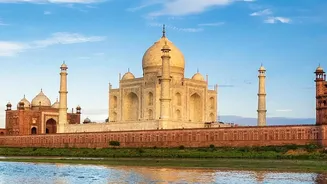
To see how this works, consider some popular Indian destinations. Planning a trip to Goa? Instead of staying only in the crowded north, balance it with time in the 'susegad' bliss of a quiet village like Aldona or the serene beaches of the south. In Rajasthan, instead of rushing between Jaipur, Jodhpur, and Udaipur, choose one city as a base. Spend your days exploring its markets, crafts, and food culture in detail, truly getting a feel for the place. A trip to Agra to see the Taj Mahal could be paired with a stay in a nearby heritage property to experience rural life. In Kerala, rather than jumping between locations, you could spend several days on a houseboat in the backwaters or settle into a single base to explore the region's tea plantations and wellness traditions at a leisurely pace.