






The Physical Challenge: Total Body vs. Lower Body Focus
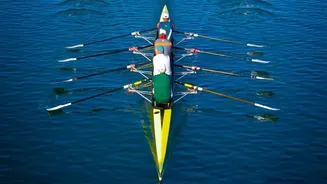
When it comes to physical conditioning, rowing and hiking offer different but equally compelling benefits. Rowing is celebrated as a low-impact, full-body workout. In a single, fluid motion, it engages approximately 86% of your muscles, targeting your legs,
core, back, and arms. This makes it incredibly efficient for building balanced muscular endurance and cardiovascular fitness without putting significant strain on your joints. It’s an ideal choice for those seeking a comprehensive workout or those who need a joint-friendly exercise. Hiking, on the other hand, is a fantastic weight-bearing exercise that primarily strengthens your lower body and core. The varied terrain of hills and uneven paths enhances balance, coordination, and cardiovascular endurance. While tougher on the joints than rowing, regular hiking is proven to improve heart function, boost lung capacity, and can significantly lower the risk of heart disease.
The Mental Escape: 'Blue' Mind vs. 'Green' Scenery
Both activities offer a profound mental escape, but they do so in different environments. Science increasingly points to the unique benefits of exercising in 'green spaces' (like forests and trails) and 'blue spaces' (near water). Hiking immerses you in a green environment. Spending time in nature this way is linked to reduced stress, lower anxiety, and improved mood. The sensory experience of the forest and the rhythmic nature of walking can have a meditative effect, helping to calm the part of the brain linked to negative thought patterns. Rowing offers the benefits of 'blue space'. The repetitive, rhythmic action of pulling the oars, combined with the sights and sounds of being on the water, creates a unique meditative state. This 'flow state' can be incredibly effective for stress reduction, promoting mental clarity by requiring focus on the present moment. It allows the mind to disconnect from daily worries, leading to a feeling of calm and relaxation.
Accessibility in India: Trails vs. Waterways
For many, the choice comes down to practicalities. Hiking is arguably one of the most accessible outdoor activities in India. From the Himalayan foothills in the north to the rolling Western Ghats in the south, the country is rich with trails for all fitness levels. The initial investment is minimal: a good pair of shoes and a willingness to explore. Many popular treks are well-trodden and can be done without a guide, making it a budget-friendly option. Rowing has a higher barrier to entry but is a growing sport in India. It typically requires access to a body of water and membership in a rowing club to use their boats and equipment. Cities with lakes, rivers, or coastal access, like Chennai, Kolkata, and others, have established rowing centres. While it requires more commitment in terms of location and cost, these clubs also offer a strong sense of community and structured training.
The Verdict: Which Outdoor Experience Is Right For You?
There is no single winner in the competition between hiking and rowing; the best choice is entirely personal. If you're looking for a low-impact, highly efficient, full-body workout that builds strength and endurance simultaneously, rowing is an outstanding option. It's perfect for those who find a meditative rhythm in repetitive motion and enjoy being on the water. If your goal is to explore diverse landscapes, challenge your lower body, and enjoy an activity with low start-up costs and high accessibility across India, hiking is your answer. It's ideal for those who crave adventure, fresh mountain air, and the mental clarity that comes from a long walk in nature. For many, the perfect solution might be to combine both, using rowing for low-impact conditioning and hiking for weekend adventures.