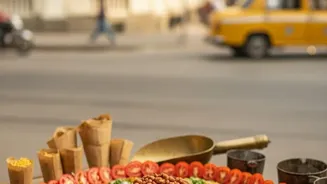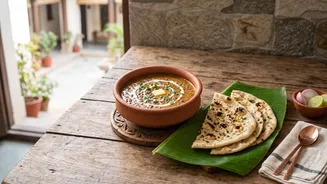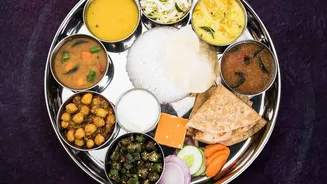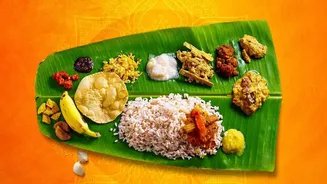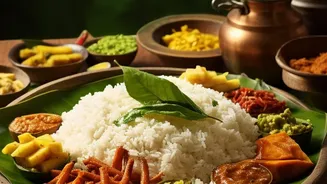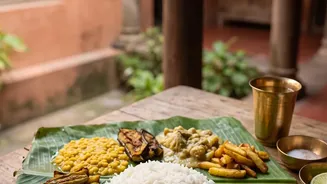



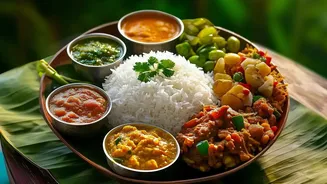

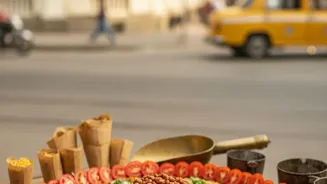
The urban Indian dinner plate is undergoing a quiet revolution. For years, 'going out for Indian' meant a familiar menu of butter chicken and paneer tikka. Now, diners are seeking something more: a taste of home and a dose of health.
An Appetite for Authenticity
For decades, the story
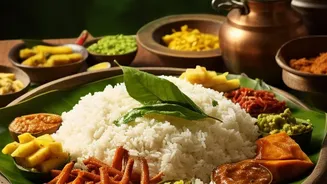
of Indian restaurant food was remarkably narrow. A handful of dishes, mostly from North Indian Punjabi cuisine, came to represent a diverse nation of over a billion people. But that's changing. Today’s urban diners, more travelled and exposed to global trends, are looking past the homogenised menus. They are actively seeking out the distinct culinary identities of India's myriad regions, from the smoky Naga pork of the Northeast to the fiery Chettinad preparations of Tamil Nadu. This shift isn't just a fleeting trend; it’s a deeper movement towards discovery and appreciating the provenance of food. Diners don't just want flavour anymore; they want context and a story behind their meal.
The Wholesome Food Connection
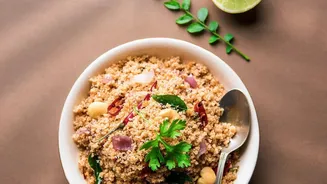
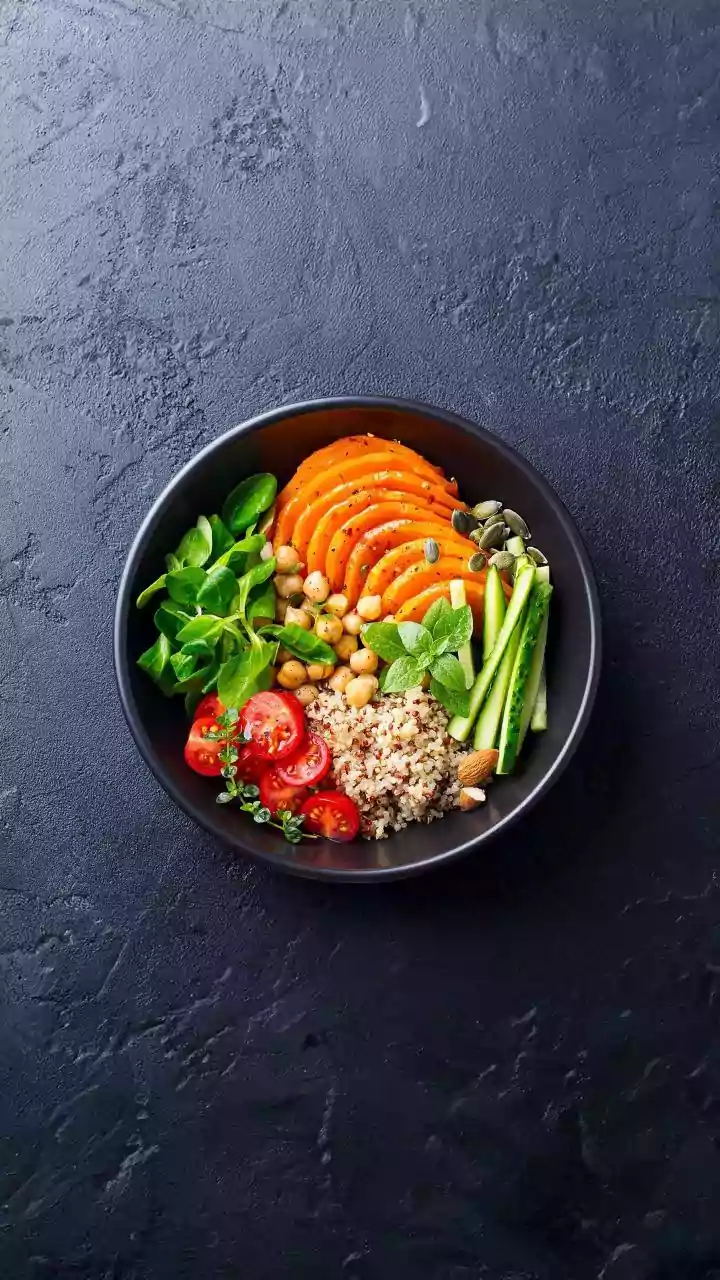
A significant driver of this trend is the growing link between regional food and wellness. In the minds of many consumers, 'authentic' and 'traditional' are becoming synonymous with 'healthy'. This perception is rooted in the foundations of regional Indian cooking. Traditional meals often rely on seasonal and local vegetables, whole grains like millets (jowar, bajra, ragi), lentils, and gut-friendly fermented foods. These ingredients are naturally rich in fibre, protein, and essential micronutrients. Cooking methods that use freshly ground spices, less oil, and techniques like steaming and slow-cooking are seen as healthier alternatives to the rich, cream-laden gravies of standardised restaurant fare. Spices like turmeric, ginger, and cumin are not just for flavour; they are valued for their anti-inflammatory and digestive benefits.
A Taste of Home and Heritage
For millions of Indians who migrate to metros for work and education, food is a powerful emotional anchor. The search for regional cuisine is often a search for the comforting taste of home. A simple, well-made dish can evoke strong memories of family, festivals, and childhood. This nostalgic pull is a major factor filling tables at restaurants that specialize in home-style regional cooking. Beyond personal nostalgia, there is also a burgeoning cultural curiosity. Diners are keen to connect with their roots and explore the country's vast culinary landscape that has, for a long time, remained largely within private homes and local communities. This exploration is a way of understanding India's history, climate, and agriculture through its food.
Chefs and Restaurants Leading the Charge
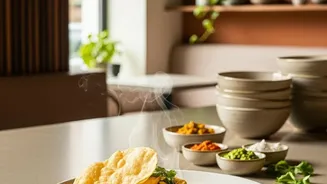
This movement wouldn't be possible without the chefs and restaurateurs championing India's underrepresented cuisines. A new generation of culinary leaders is moving away from imported formats and ingredients, instead focusing on their own heritage. They are creating dining experiences that are both authentic and modern, presenting regional dishes with refined artistry. These chefs often work directly with farmers and local producers to source indigenous ingredients like Kokum from the Konkan coast or Gondhoraj limes from Bengal, bringing them to premium urban menus. By doing so, they not only offer diners a genuine taste of a region but also elevate the value and perception of these local ingredients.