
The Eyes in the Martian Sky
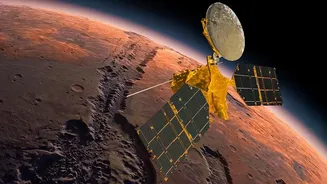
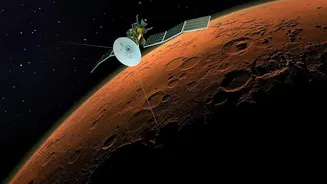
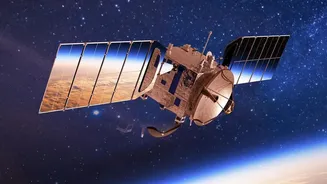
The primary sentinel watching over Mars is NASA's Mars Reconnaissance Orbiter (MRO). This invaluable spacecraft has been circling the red planet since 2006, equipped with a suite of advanced instruments. For the task of weather watching, two are especially
critical: the Mars Color Imager (MARCI) and the Mars Climate Sounder (MCS). MARCI acts like a global weather photographer, capturing a daily map of the entire planet to track the evolution of storms. Meanwhile, the MCS is more like a CT scanner for the atmosphere. It measures temperature, dust content, and humidity at different altitudes, giving scientists a three-dimensional view of how the weather is behaving.
Anatomy of a Martian Storm
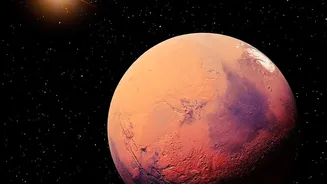
Martian dust storms are the largest in the solar system and can grow to monstrous sizes. They begin when sunlight warms the Martian surface, creating rising columns of warm air that lift the fine, reddish dust. This dust then absorbs more sunlight, heating the air further and creating a feedback loop that can escalate a small dust devil into a regional event covering an area the size of a continent. These storms are seasonal, often kicking up during the southern hemisphere's spring and summer when Mars is closer to the sun. While large regional storms happen every year, once every three Mars years (about five to six Earth years), conditions can create a planet-encircling dust event that blankets almost the entire globe for weeks.
When Dust Means Danger
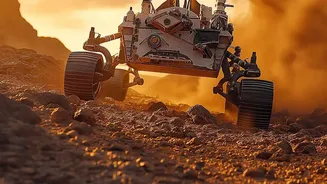
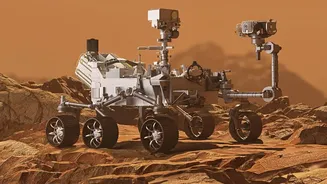
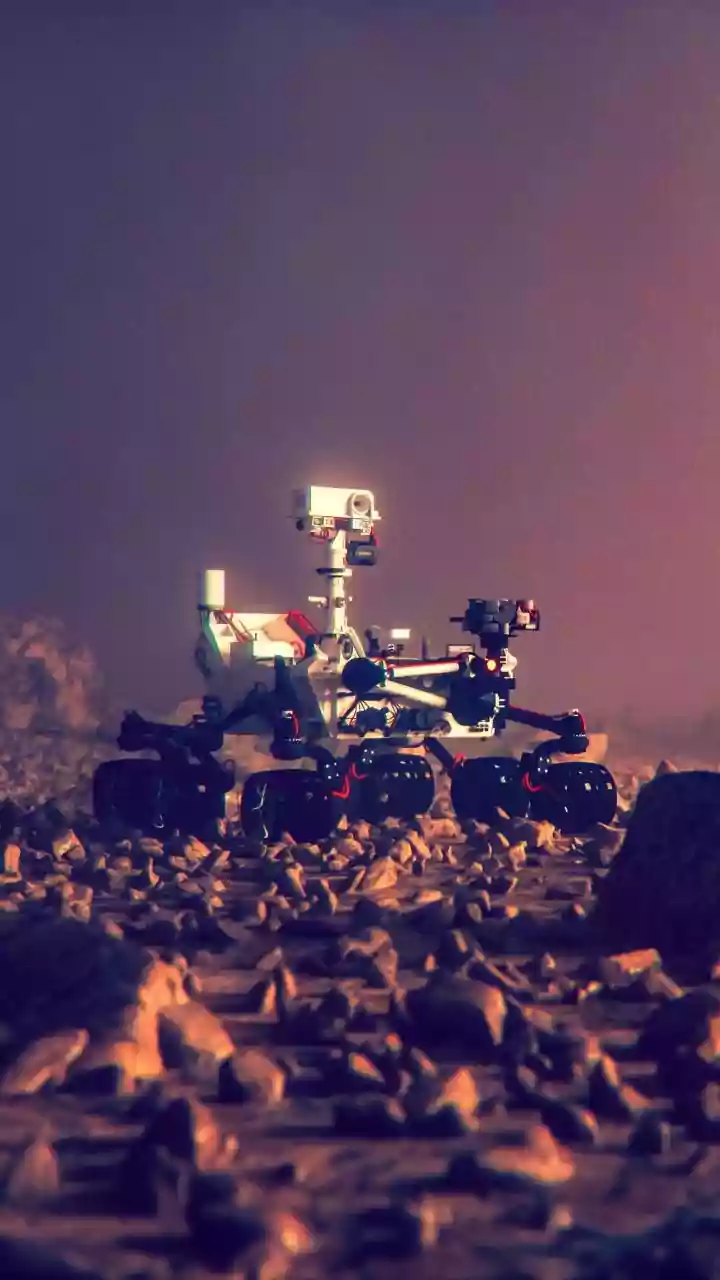
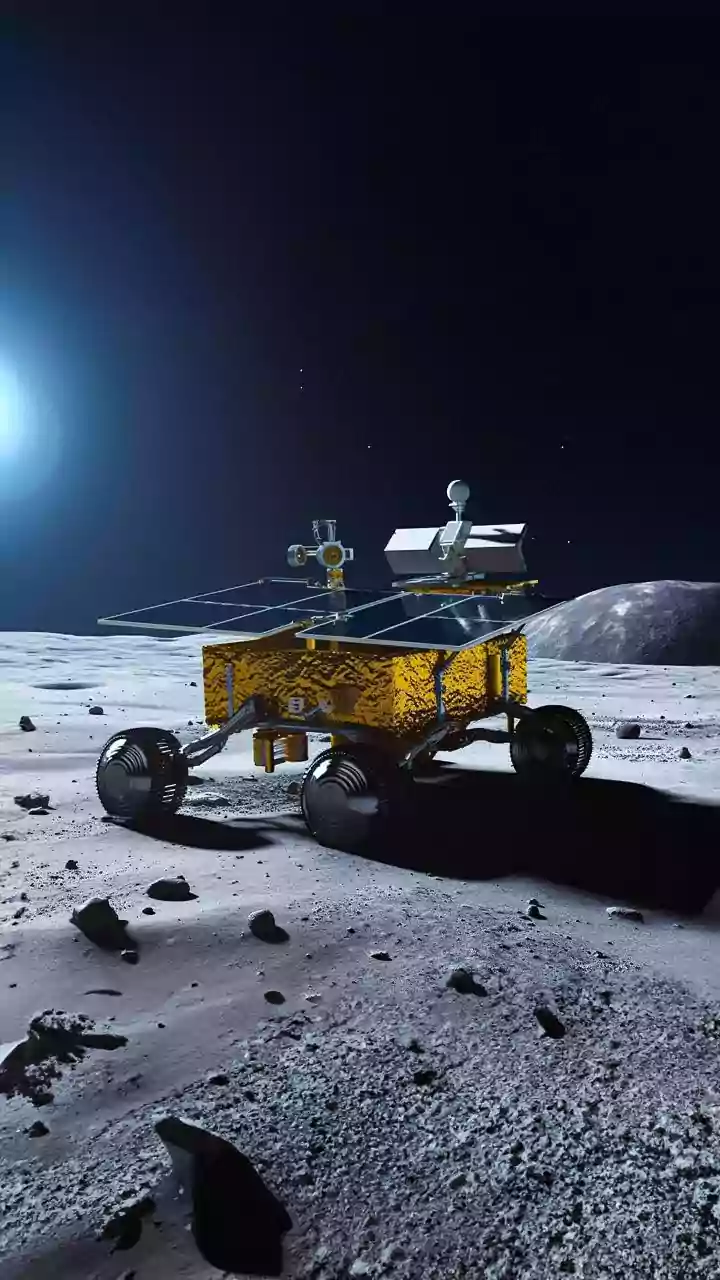
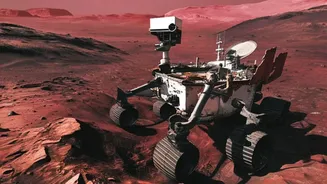
For a solar-powered rover, a dust storm is more than an inconvenience; it's a fight for survival. The primary danger isn't the force of the wind, as Mars's atmosphere is too thin to create destructive pressure. The real threat is a one-two punch to its power supply. First, the massive cloud of dust in the atmosphere can block out so much sunlight that it's like turning day into a deep twilight, starving the solar panels of the energy needed to operate. Second, the dust that settles out of the atmosphere is fine, gritty, and electrostatically charged, so it clings to everything. A thick coating on solar panels can drastically reduce their efficiency, and cleaning them is a major engineering challenge. This power starvation is what ultimately ended the mission for NASA's long-lived Opportunity rover in 2018.
A Weather Forecast for Another World
By combining daily images from MARCI with the atmospheric profiles from the MCS, scientists are moving from simply observing storms to predicting them. The data allows them to identify the seasonal patterns and atmospheric conditions that precede the formation of large storms. They can see where storms are born, track the paths they take, and model how they might grow and merge. This creates a foundational weather forecasting capability for Mars. Just like on Earth, this allows for planning and protection. Knowing a massive storm is brewing enables mission controllers to prepare rovers by powering them down into a low-energy survival mode, conserving battery life until the skies clear.
Paving the Way for Future Explorers
This forecasting ability is not just about protecting current assets; it's about enabling the future of Mars exploration. As agencies like NASA and the European Space Agency plan future robotic missions, understanding the dust cycle is critical for mission design. For rovers that will rely on solar power, knowing the risk allows engineers to design more resilient systems, perhaps by oversizing panels, developing new dust-repellent coatings, or creating novel cleaning mechanisms. It also informs decisions about where and when to land to minimize risk during the most vulnerable phases of a mission. Ultimately, creating a reliable weather service for Mars is a crucial, practical step on the long road to potentially sending human explorers to the red planet, who will depend on reliable power for their survival.