






The Warning Everyone Is Sharing
A viral message is making the rounds on social media, often featuring a personal testimonial or a clip from a cybersecurity expert. The core message is stark: scammers are now using artificial intelligence to create highly convincing fake videos and audio
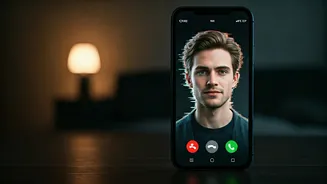
clips. These “deepfakes” can perfectly mimic a person's face and voice, making it nearly impossible to tell if you're talking to a loved one or a criminal. The viral warnings often describe harrowing scenarios, such as receiving a frantic call from a family member who appears to be in distress and urgently needs money. The voice sounds identical, the face on the video call looks right, but the entire interaction is a sophisticated fabrication designed to exploit your trust and steal your money.
Understanding the Deepfake Threat
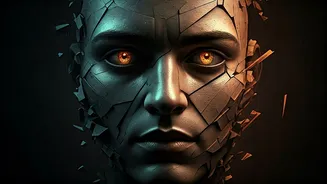
Deepfake technology uses artificial intelligence to combine, replace, or synthesize content to create fake but realistic media. Initially a novelty, the technology has become incredibly accessible, allowing criminals to generate convincing fakes with minimal effort. The most common scams involve voice cloning, where just a few seconds of audio from a social media post is enough to create a synthetic voice that can fool a close relative. Financial fraud is a major application, with criminals impersonating company executives to authorise multimillion-dollar transfers. One widely reported case involved a $25 million fraud executed via a deepfake video call where a finance worker believed he was speaking to his CFO. This isn't just a corporate problem; these scams increasingly target individuals with fake emergencies, romance scams, and fraudulent investment schemes.
How to Spot a Potential Deepfake
While AI is getting better, there are still tell-tale signs you can look for. Pay close attention to faces and their movements. Unnatural blinking patterns or a complete lack of blinking used to be a key indicator, but as tech has improved, experts now advise looking for other inconsistencies. Look at the edges of the face; does the skin tone match the neck and body? Are the lip movements perfectly synced with the audio? Often, AI-generated images have a strange, overly polished or waxy look to the skin. Other giveaways can be found in the details: inconsistent lighting and shadows, blurry or oddly formed teeth, and strange artifacts in the background. If something feels 'off' or the situation seems implausible, it's worth a second look.
Your Best Defence: Verification and Scepticism
In an era where seeing is no longer believing, your best defence is to be healthily sceptical and always verify. If you receive an urgent, unexpected request for money or personal information, even if it appears to come from a loved one, take a moment to pause. Hang up and call the person back on a number you know is theirs. For families and even close colleagues, establishing a 'safe word'—a unique code word that only you know—can be a powerful tool to confirm identity during a suspicious call. Ask a question that only the real person would know the answer to, like a detail from a shared memory. These simple steps can disrupt a scammer's script and protect you from falling victim.
Proactive Steps to Secure Your Digital Life
Beyond being vigilant, there are proactive measures you can take. Be mindful of how much personal information and content you share publicly. The more audio and video of you that exists online, the more material scammers have to create a convincing deepfake. It is also crucial to use strong, unique passwords for your accounts and enable multi-factor authentication (MFA) wherever possible. This adds a critical layer of security that can block attacks even if a scammer has some of your information. Finally, educate your family and friends, especially older, more vulnerable individuals, about these new types of scams. Spreading awareness is a collective defence.