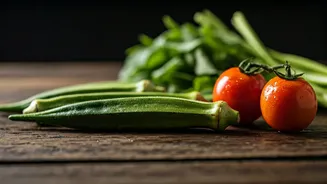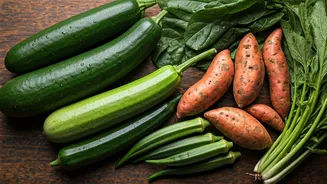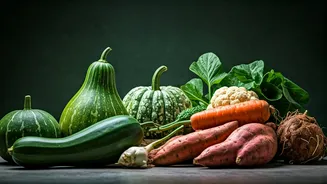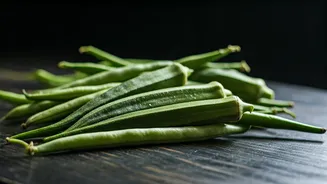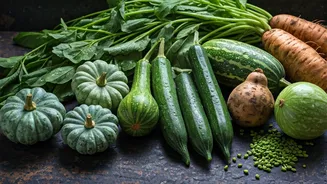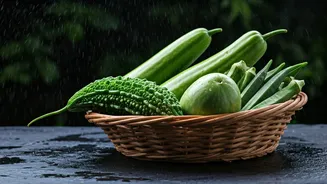






Bottle Gourd (Lauki)
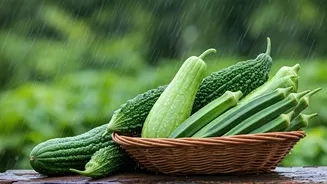
Often underrated, the humble lauki is a monsoon superstar. Comprised of over 90% water, it is incredibly hydrating and light on the stomach, making it easy to digest—a crucial benefit when the digestive system can be sluggish. Rich in fibre, it helps
prevent constipation and keeps you feeling full without being heavy. Furthermore, it contains essential vitamins C and B, along with minerals like sodium, iron, and potassium, which help replenish electrolytes lost through sweating in the humid weather. Its cooling properties also help balance body heat. Enjoy it in a simple sabzi with minimal spices, add it to dals for extra nutrients, or make a warm, comforting soup.
Ridge Gourd (Turai)
Similar to its gourd cousin, ridge gourd or turai is another excellent choice for the rainy season. It is low in calories and packed with nutrients. As a good source of Vitamin A and C, it plays a vital role in strengthening the immune system to fight off common monsoon ailments like colds and flu. Its high fibre and water content make it a champion for digestive health, helping to cleanse the system gently. In traditional Ayurvedic medicine, turai is valued for its purifying properties. It can be cooked in a variety of ways—stir-fried, in curries, or even made into delicious, crispy fritters (pakoras) for a special rainy-day treat, though a simple sabzi is the healthiest option.
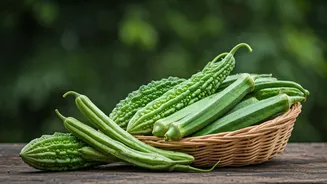
Bitter Gourd (Karela)
Don't let the bitterness fool you; karela is a powerhouse of health benefits, especially during the monsoon. It is renowned for its potent medicinal properties, including being a rich source of antioxidants and vitamins that fortify your body's defences. It is particularly effective in managing blood sugar levels and is packed with antimicrobial and antiviral properties, providing an extra layer of protection against infections that are common during this season. To reduce its bitterness, you can marinate the slices in salt and then squeeze out the bitter juice before cooking. A classic stuffed karela or a simple stir-fry with onions can make this vegetable a delicious and healthy addition to your monsoon diet.
Pumpkin (Kaddu)
Sweet pumpkin, or kaddu, is more than just a festive vegetable. It's a fantastic source of beta-carotene, which the body converts into Vitamin A. This vitamin is essential for a strong immune system and good vision. Pumpkin is also rich in Vitamin C and fibre. Its comforting, slightly sweet taste makes it a favourite for both savoury and sweet dishes. A warm pumpkin soup is a perfect antidote to a cool, rainy evening. You can also make a traditional kaddu ki sabzi, which pairs wonderfully with puris or rotis. Its versatility and immune-boosting properties make it a must-have in your monsoon kitchen.
Indian Gooseberry (Amla)
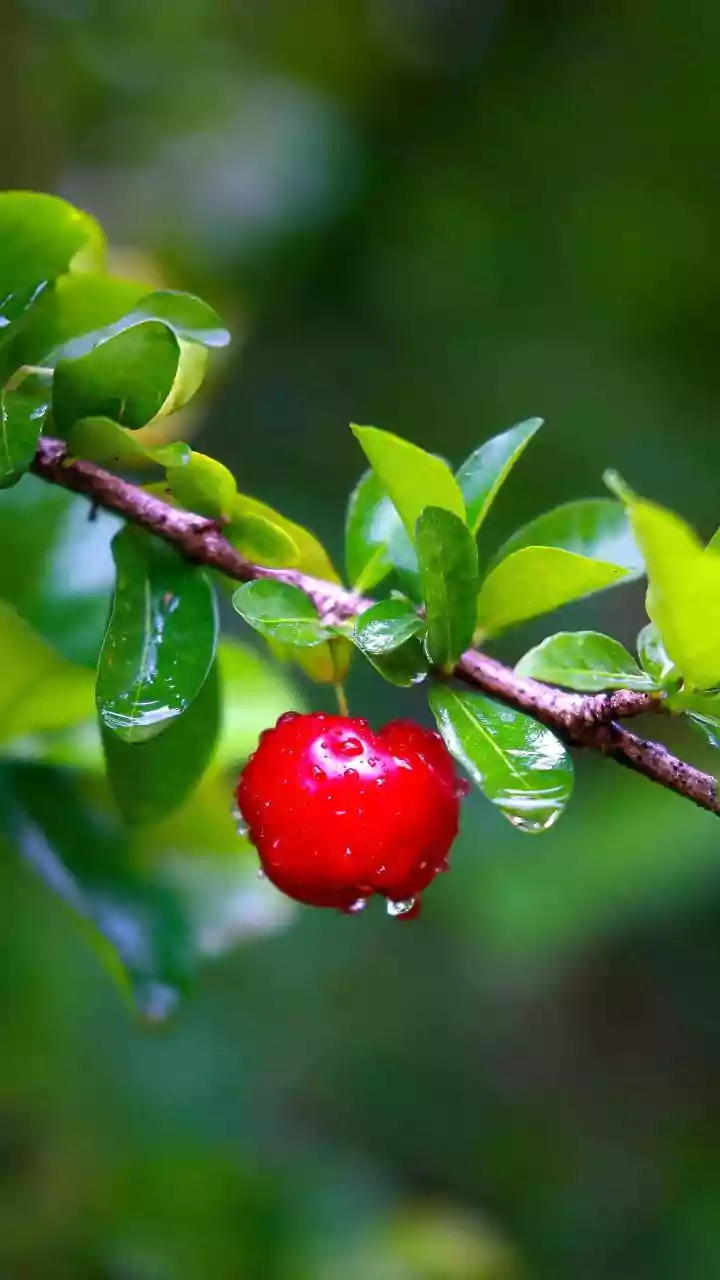
While technically a fruit, amla is used like a vegetable in many Indian culinary preparations and is too beneficial to ignore. It is one of the most concentrated natural sources of Vitamin C, a powerful antioxidant that is crucial for fighting off infections. Consuming amla regularly can significantly enhance immunity. It also aids digestion and helps in detoxifying the body. During the monsoon, you can find fresh amla in the market. You can eat it raw with a sprinkle of salt, pickle it, make a tangy chutney, or boil it to create a healthy drink. A small amount of amla every day can go a long way in keeping you healthy throughout the season.
A Note of Caution
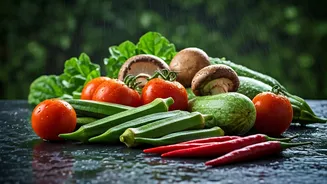
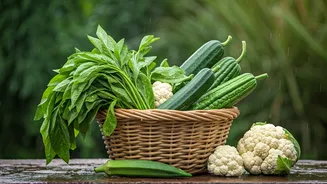
While vegetables are essential, the monsoon calls for extra care. Leafy greens like spinach and cabbage can harbour dirt and germs due to the high moisture in the environment. If you choose to eat them, ensure they are washed meticulously, preferably in a solution of warm water and salt or vinegar, and cooked thoroughly. It is generally advised to reduce the intake of raw foods, including salads, during this time, as the risk of water-borne infections is higher. Opting for steamed, boiled, or well-cooked vegetables is the safest bet.