






From Sideline to Desk-Side
For decades, electrolyte drinks were synonymous with intense physical exertion. Think of athletes dousing themselves in Gatorade on the sidelines. These drinks were designed with a clear purpose: to replenish the water, salts, and sugars lost through
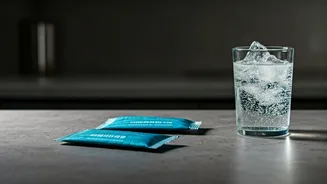
profuse sweating during sport. They were a functional, if not particularly glamorous, tool for performance and recovery. But somewhere between the gym and the office, that perception has dramatically shifted. Today, brands like Liquid I.V., Prime Hydration, and LMNT are not just in sports stores; they’re in grocery aisles, checkout counters, and all over your social media feed. They have successfully rebranded hydration as a pillar of everyday wellness, making electrolyte mixes as common in a work tote as a laptop or a lip balm.
The Science of Salt
So, what are electrolytes? In simple terms, they are essential minerals—like sodium, potassium, and magnesium—that carry an electric charge and are vital for your body's functions. They help regulate nerve and muscle function, balance blood pressure, and, crucially, maintain hydration by helping your cells absorb water. You lose them primarily through sweat, but also through other bodily fluids, like during a bout of diarrhoea or vomiting. This is where the science gets interesting. For elite athletes or someone working outdoors in the blistering heat, replenishing these lost minerals is crucial for preventing dehydration and maintaining performance. For most people living a moderately active life, however, a balanced diet and regular water intake are typically sufficient to maintain electrolyte levels. The core premise of these new-age mixes is that many of us are living in a state of 'sub-optimal' hydration that can be 'fixed' with their product.
Marketing a Thirsty Generation
The explosion of electrolyte powders isn’t just about health; it's a masterclass in modern marketing. First, there's the packaging: sleek, colourful sachets and canisters that look good on an Instagram story. Second, the flavours have evolved far beyond the classic lemon-lime. Think Guava, Piña Colada, or Watermelon Mojito—flavours that evoke a sense of aspirational leisure rather than athletic grit. Finally, and most powerfully, is the use of influencer and celebrity marketing. When stars and creators on TikTok and Instagram showcase their 'hydration routine' with a favourite mix, it frames the product not as a medical aid but as a cool, desirable lifestyle choice. It taps into our desire for self-improvement and optimization, suggesting that even our water intake can be enhanced for better results.
The Wellness Halo Effect
These powders are part of a larger trend of 'functional beverages'—drinks that promise to do more than just quench thirst. Like mushroom coffee that promises focus or CBD-infused seltzers that claim to calm, electrolyte mixes offer a tangible benefit: superior hydration. This positions them as an easy wellness 'hack'. Feeling tired in the afternoon? It could be dehydration. Have a slight headache? Maybe you need electrolytes. The products offer a simple, immediate solution to common, everyday complaints. This 'wellness halo' makes a purchase feel proactive and health-conscious, transforming a simple consumer choice into an act of self-care. It’s less about necessity and more about feeling in control of your health in a small, manageable way.
Do You Actually Need Them?
The answer, as with most wellness trends, is: it depends. If you've just run a half-marathon, are recovering from a stomach bug, or spent a day working in intense heat, an electrolyte drink can be incredibly beneficial and help you rehydrate more effectively than water alone. However, for the average person sitting at a desk all day, plain water is perfectly adequate and, of course, free. It’s also worth reading the label. Many popular electrolyte mixes contain significant amounts of sugar to help with taste and absorption, which may not align with everyone's health goals. Some sugar-free options use alternative sweeteners and focus heavily on sodium, which may be beneficial for a specific low-carb audience but less necessary for the general population.