







A deadly high-speed train collision in Spain has cast a sobering shadow over the world of rapid rail transport. For India, as it pushes forward with its own ambitious bullet train project, the incident is a critical and timely warning.
A Tragedy on the Tracks
On October 28, 2026,
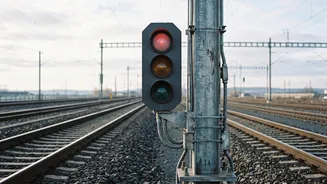
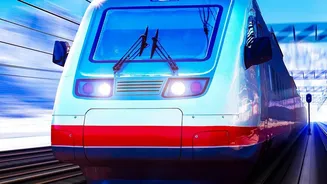
a high-speed train operated by Spain's state-owned Renfe crashed into a stationary train near Urda, south of Madrid, killing 69 people and injuring many more. The incident was Spain's second fatal high-speed rail accident in the same year, shaking public confidence in what was considered one of Europe's most advanced networks. Preliminary reports suggest the chain of events began with a failure in a safety communication system, which led to a manual override from a control center that authorized the train to proceed despite the obstacle ahead. The tragic outcome underscores a difficult truth: even in mature, technologically advanced systems, the potential for catastrophic failure persists.
High-Speed Rail's Tenuous Safety Record
Globally, high-speed rail is statistically one of the safest modes of transport. Japan’s Shinkansen network, for example, famously boasts a zero-passenger-fatality record from accidents in over five decades of operation. This incredible record, however, is not a given; it is earned daily through relentless maintenance, continuous technological upgrades, and a deeply ingrained culture of safety. The systems are designed with multiple redundancies, such as Automatic Train Control (ATC) which can slow or stop a train without human intervention. Yet, incidents like the one in Spain, and previous accidents, reveal that vulnerabilities often lie at the intersection of technology, human decision-making, and operational protocols. They serve as crucial, albeit tragic, learning opportunities for the entire industry.
India's High-Stakes Shinkansen Bet
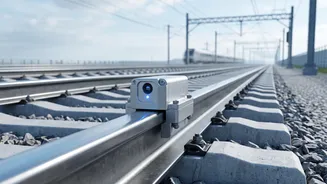
India's flagship Mumbai-Ahmedabad High-Speed Rail (MAHSR) corridor is one of the nation's most prestigious and expensive infrastructure undertakings. With significant progress already made on constructing viaducts and stations, the first service on the Surat-Vapi section is anticipated by August 2027. A core component of the project is the adoption of Japanese Shinkansen technology, chosen specifically for its unparalleled safety and reliability. The system includes advanced safety features like an early earthquake detection system, which uses a network of 28 seismometers to automatically apply emergency brakes in the event of a tremor. However, recent developments indicate India is also developing its own indigenous high-speed trainsets, which will undergo rigorous testing before deployment.
Key Lessons in Operations and Maintenance
The Spanish collision offers critical lessons that go beyond just the choice of technology. The primary takeaway is that hardware alone is not enough. A high speed network is a complex ecosystem where every component—from the tracks and signals to the power supply and maintenance crews—must function flawlessly. The investigation in Spain points towards a failure in the interplay between automated systems and human controllers, highlighting the need for infallible protocols when things go wrong. For India, this means creating a robust framework for regular, intensive maintenance of tracks, rolling stock, and signaling equipment. Furthermore, it necessitates worldclass, continuous training for every single person involved in the operation, ensuring they are prepared for any contingency and empowered to prioritize safety above all else.
Building a Culture of Precision
Perhaps the most profound lesson is cultural. The success of the Shinkansen is not just due to its advanced engineering but also its operational culture of meticulous precision and accountability. India cannot simply import Japanese technology; it must cultivate a similar, deeply embedded safety culture within the National High Speed Rail Corporation Limited (NHSRCL) and its entire operational hierarchy. This involves fostering an environment where procedures are followed without exception, where potential issues are flagged proactively, and where a zero tolerance policy for error is the norm. It's a mindset that extends from the control room to the maintenance yard. As India expands its high speed ambitions with seven new corridors announced, including a northern route to Guwahati, embedding this culture from day one will be fundamental to long term success.