




We all want to breathe cleaner, fresher air at home. The question is, what’s the best way to get it? Should you trust modern technology like air purifiers, or go the natural route with houseplants? Let’s clear the air on this debate.
Filtration: Cleaning the Air You Have
Filtration is the
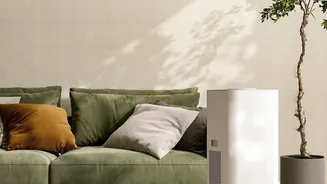
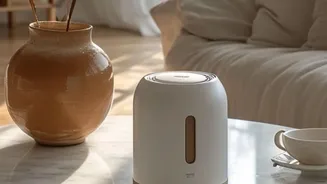
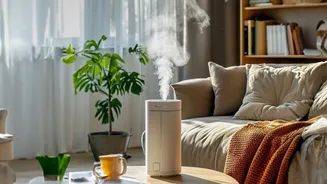
process of physically removing pollutants from the air that is already inside a room. This is what an air purifier does. It pulls in the surrounding air and forces it through a series of filters. The most effective of these is the High-Efficiency Particulate Air (HEPA) filter. A true HEPA filter is designed to capture 99.97% of airborne particles that are 0.3 microns in size. This category includes many of the most common irritants that plague Indian homes: fine dust (PM2.5), pollen, pet dander, mould spores, and even some bacteria and viruses. By trapping these microscopic particles, purifiers can provide significant relief for people with allergies and asthma and improve overall respiratory health.
Ventilation: Bringing in Fresh Air
Ventilation, on the other hand, isn't about cleaning the air inside your home—it's about replacing it. This process involves bringing fresh air in from the outside to dilute and remove pollutants that have built up indoors. These include not just particles but also gases like carbon dioxide (CO2), which we exhale, and various odours from cooking or cleaning. Simple acts like opening a window or a door are a form of natural ventilation. While effective at reducing stale air and CO2 levels, a task air purifiers cannot perform, ventilation’s usefulness depends heavily on the quality of the outdoor air. If you live in a highly polluted area, opening a window might let more pollutants in than it lets out.
The Great Houseplant Myth
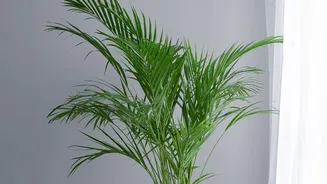
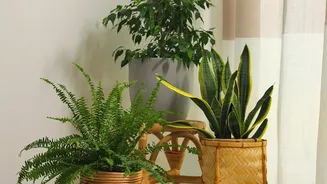
The belief that houseplants are effective air purifiers stems largely from a famous NASA study from 1989. The study showed that, in small, sealed chambers, certain plants could remove volatile organic compounds (VOCs) like benzene and formaldehyde from the air. However, subsequent research has shown that these lab results don't translate to real-world homes. Your living room is not a sealed space station; it has natural airflow and a much larger volume of air. To achieve the same air-cleaning effect as a single, modest air purifier, you would need an impractically large number of plants—some studies estimate between 10 and 1,000 plants per square meter. Your home would need to become a dense jungle to make a meaningful difference.
The Proven Power of Air Purifiers
When it comes to removing airborne particles, there is no contest: air purifiers are vastly more effective than houseplants. A purifier can circulate and clean the air in a room multiple times per hour, which is thousands of times faster than a plant's passive processes. Plants do not remove particulate matter like dust, dander, or smoke in any significant way. For anyone concerned about allergies, asthma, or the health effects of PM2.5 pollution—a major issue in many Indian cities—a HEPA purifier is the only reliable solution of the two. They are specifically engineered to tackle these invisible threats, providing measurable improvements to indoor air quality within minutes.
The Verdict: A Team Effort for Clean Air
So, should you throw out your houseplants? Absolutely not. While they are not effective air cleaners, plants offer proven psychological benefits, such as reducing stress and boosting your mood. They add beauty and a sense of calm to our living spaces. The best strategy for clean indoor air is not an 'either/or' choice but a combined approach. Use ventilation (when outdoor air is clean) to reduce CO2 and flush out stale air. Rely on a HEPA air purifier to filter out harmful fine particles, allergens, and other irritants. And keep your houseplants for the aesthetic and mental wellness they bring. Together, these elements create a healthier and more pleasant home environment.