




The 'Why' Behind the Trend
The push towards a more efficient kitchen isn't happening in a vacuum. It's a practical response to the realities of modern Indian life. Firstly, there's the economic pressure. With the rising costs of everything from cooking gas and electricity to vegetables
and groceries, households are actively seeking ways to stretch every rupee. An efficient cooking process uses less fuel and minimises food waste, directly impacting the monthly budget. Secondly, time is a currency we're all short on. For dual-income families and busy professionals, spending hours over a hot stove every day is simply not feasible. The trend reflects a desire to reclaim time without resorting to unhealthy takeaway meals. Finally, there is a growing consciousness around sustainability. People are more aware of their carbon footprint and the environmental cost of waste, prompting a shift towards methods that are kinder to the planet.
Embrace Your New Kitchen Assistants
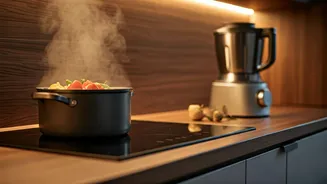
Technology is the biggest ally in the quest for efficiency. The humble pressure cooker, a long-standing hero of the Indian kitchen, has been joined by a new generation of smart appliances. The air fryer has become a sensation, promising crispy snacks and perfectly cooked vegetables using a fraction of the oil and time of deep-frying or oven-baking. Similarly, electric multi-cookers or 'Instant Pots' have found a dedicated following. These devices combine the functions of a pressure cooker, slow cooker, rice cooker, and more, allowing for 'dump-and-go' meals that cook safely and quickly while you focus on other tasks. Even the choice of stove matters; induction cooktops are gaining popularity as they heat up faster and are more energy-efficient than traditional gas stoves, offering precise temperature control that reduces cooking time and prevents burning.
Master the Art of Meal Prep
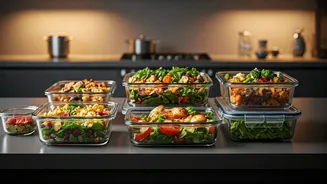
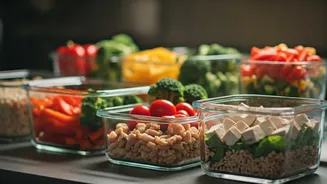
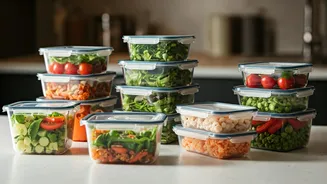
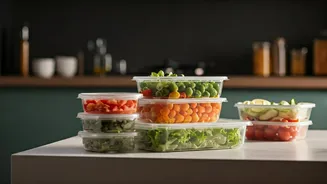
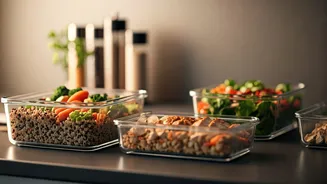
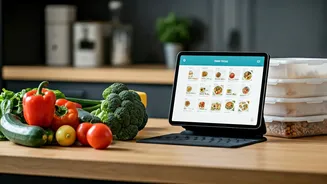
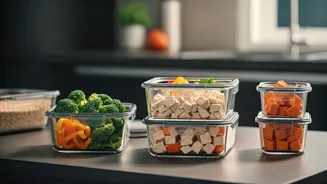
The most efficient cooks know that the work starts long before the stove is lit. Meal prepping, once seen as something only fitness enthusiasts did, has gone mainstream. In the Indian context, this doesn't necessarily mean packing five identical lunch boxes for the week. It’s about 'component prepping'. You can spend an hour on Sunday preparing a large batch of onion-tomato masala, the base for dozens of different curries. You can also pre-chop vegetables like carrots, beans, and bell peppers and store them in airtight containers. Grating ginger and garlic into a paste, boiling potatoes, or sprouting legumes in advance can shave precious minutes off your daily cooking time. This 'future-you-will-thank-you' approach transforms the weekday dinner rush from a chaotic scramble into a streamlined assembly process.
Discover One-Pot Wonders
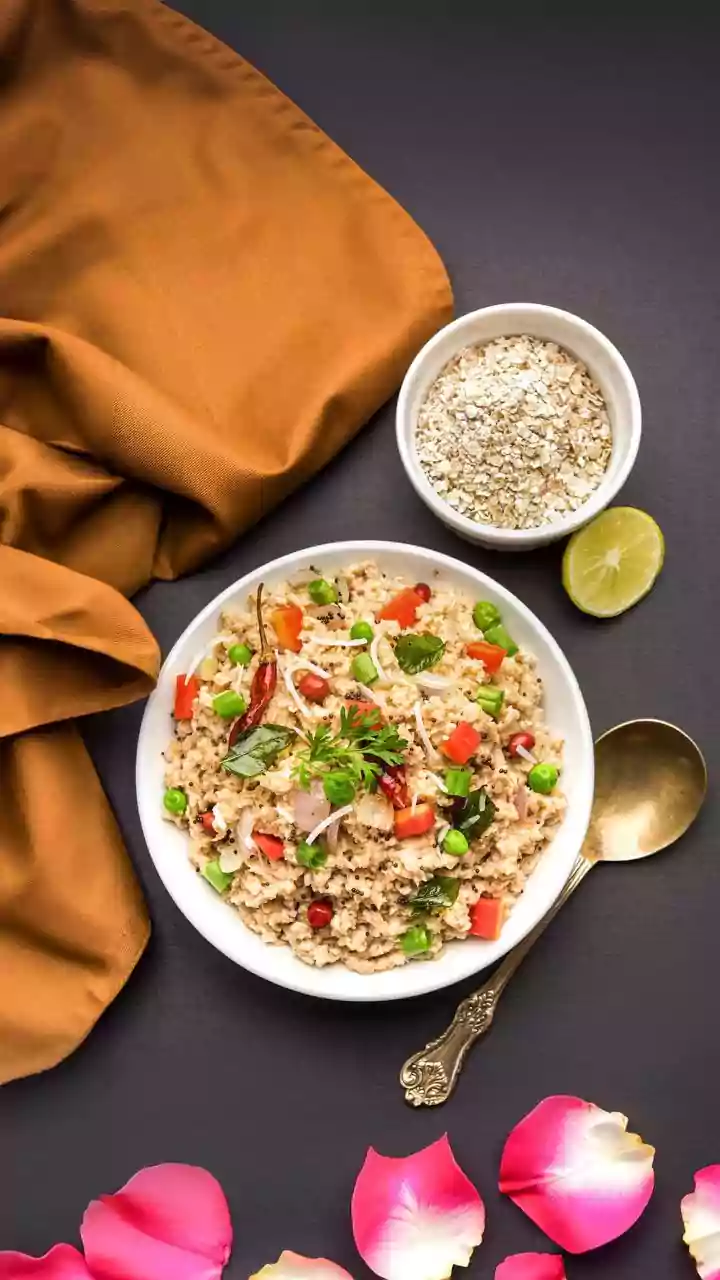
The beauty of a one-pot meal goes beyond deliciousness; it’s the epitome of efficiency. This approach minimises the amount of cookware used, which means significantly less time spent on washing up—a chore nobody enjoys. The concept is deeply rooted in Indian cuisine with timeless dishes like khichdi, tehri, and biryani. Today, the trend is expanding to include a wider variety of recipes. Think one-pan pastas where the noodles cook directly in the sauce, or sheet-pan dinners where your protein and vegetables roast together on a single tray. These meals are not only time-savers but also great for flavour development, as all the ingredients mingle and cook together, creating a richer, more cohesive dish with minimal effort and supervision.
Cook from Root to Tip
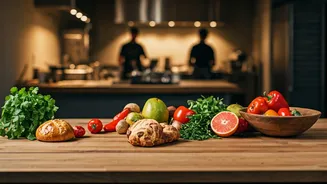
True efficiency also means maximising the ingredients you buy. The 'root-to-tip' or 'nose-to-tail' philosophy is about minimising food waste, which is essentially wasted money. This creative and sustainable approach is becoming a popular way to cook more efficiently. Instead of discarding vegetable peels from carrots or potatoes, they can be used to make a flavourful vegetable stock. The tough stems of cauliflower or broccoli can be chopped finely and added to stir-fries or parathas. Stale bread can become croutons or bread upma, and leftover rice is the perfect base for a quick fried rice. Adopting this mindset not only helps your budget and the environment but also challenges you to become a more resourceful and inventive cook.