






The End of 'Checklist' Travel
Remember the whirlwind 10-day European tour or the mad dash to cover five Thai islands in a week? For a growing number of people, that approach to travel is losing its lustre. The post-pandemic era has prompted a re-evaluation of what makes a vacation
truly restful and rewarding. Many are moving away from what could be called 'checklist tourism'—the relentless pursuit of landmarks for the sake of a photo and a tick on a bucket list. This frenetic pace often leads to exhaustion rather than enrichment, with memories that feel more like a blur than a genuine experience. In its place, a more intentional mindset is taking root, one that values quality of experience over the quantity of places visited.
What Is 'Deep Travel,' Anyway?
So, what does it mean to travel 'deeply'? At its core, deep travel—also known as slow or immersive travel—is about connection. It's the choice to get to know one place intimately rather than seeing many places superficially. This can manifest in various ways: staying in a single town for a week instead of city-hopping, learning a local skill like cooking or a craft, frequenting a neighbourhood cafe until you become a regular, or using public transport to experience the daily rhythm of a place. It is a shift from being a passive observer to an active participant. The goal isn't just to see a new place, but to understand it, engage with its culture, connect with its people, and support local communities directly.
Why Is This Happening Now?
Several factors are fuelling this trend. The rise of remote work has untethered many from their desks, making longer, more immersive stays possible. There's also a growing awareness of the negative impacts of mass tourism, from overcrowding at popular sites to environmental strain. Travellers are becoming more conscious of their footprint, seeking sustainable options that benefit the local economy and preserve culture rather than exploiting it. Furthermore, after a period of global disconnect, there is a profound human desire for authentic connection and meaningful experiences. People are looking for trips that offer personal growth and a new perspective, something a rushed holiday rarely provides. In India, this translates to a boom in domestic tourism, with travellers rediscovering the immense diversity within their own country.
India: A Universe for Deep Exploration
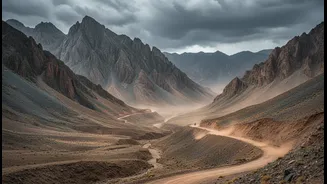
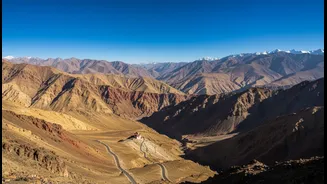
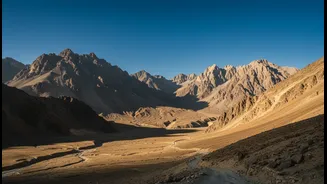
For Indian travellers, this mindset opens up a universe of possibilities without needing a passport. The trend is shifting towards exploring hidden gems in Tier-II and Tier-III regions, away from the crowded metropolitan centres. Instead of a quick trip to Goa, it might mean a week-long stay at a spice plantation in the Western Ghats, learning about the local ecosystem. Instead of a weekend in Manali, it could be an extended homestay in a remote Ladakhi village, understanding the rhythms of high-altitude life. From the ancient spiritual circuits of Uttar Pradesh to the unique cultural traditions of Nagaland, India offers endless opportunities for deep, immersive travel. This approach not only makes travel more accessible and affordable but also fosters a greater appreciation for the nation's rich tapestry of cultures.
How to Plan a Deeper Trip
Embracing deep travel is more about a mindset shift than a complex plan. Start by choosing one destination and committing to staying put. Leave room in your itinerary for spontaneity; some of the best experiences are unplanned. Prioritise activities that facilitate connection. Seek out locally owned guesthouses, homestays, or family-run restaurants. Hire a local guide for a day to hear stories and perspectives you won't find in a guidebook. Try to learn a few phrases in the local language—it’s a small gesture of respect that can open doors to more genuine interactions. The focus should be on being present and curious, allowing the destination to reveal itself to you, rather than you trying to conquer it.