


Day 1, Oct 11: Welcoming Warmth with Orange
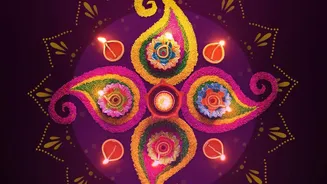
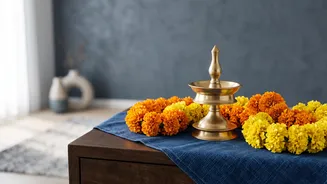
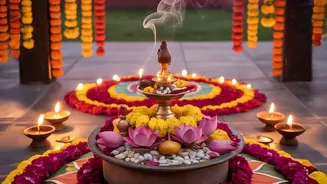
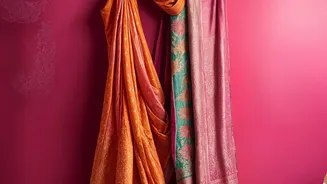
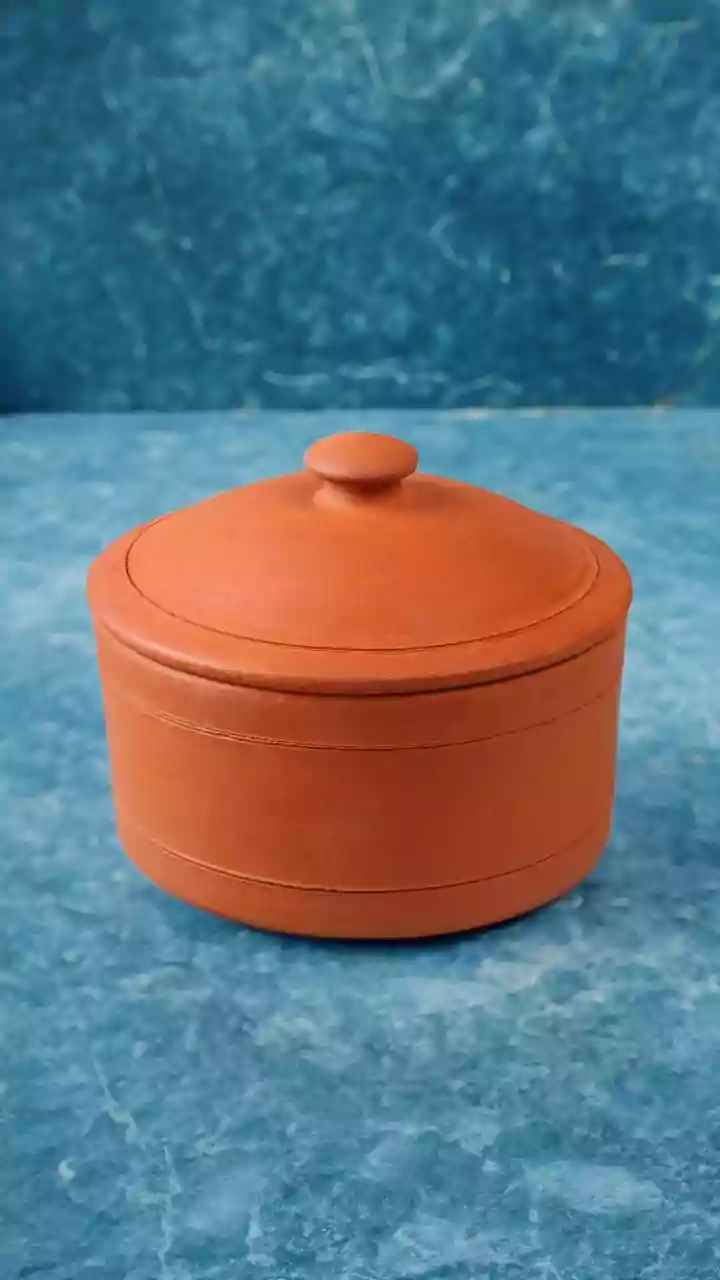
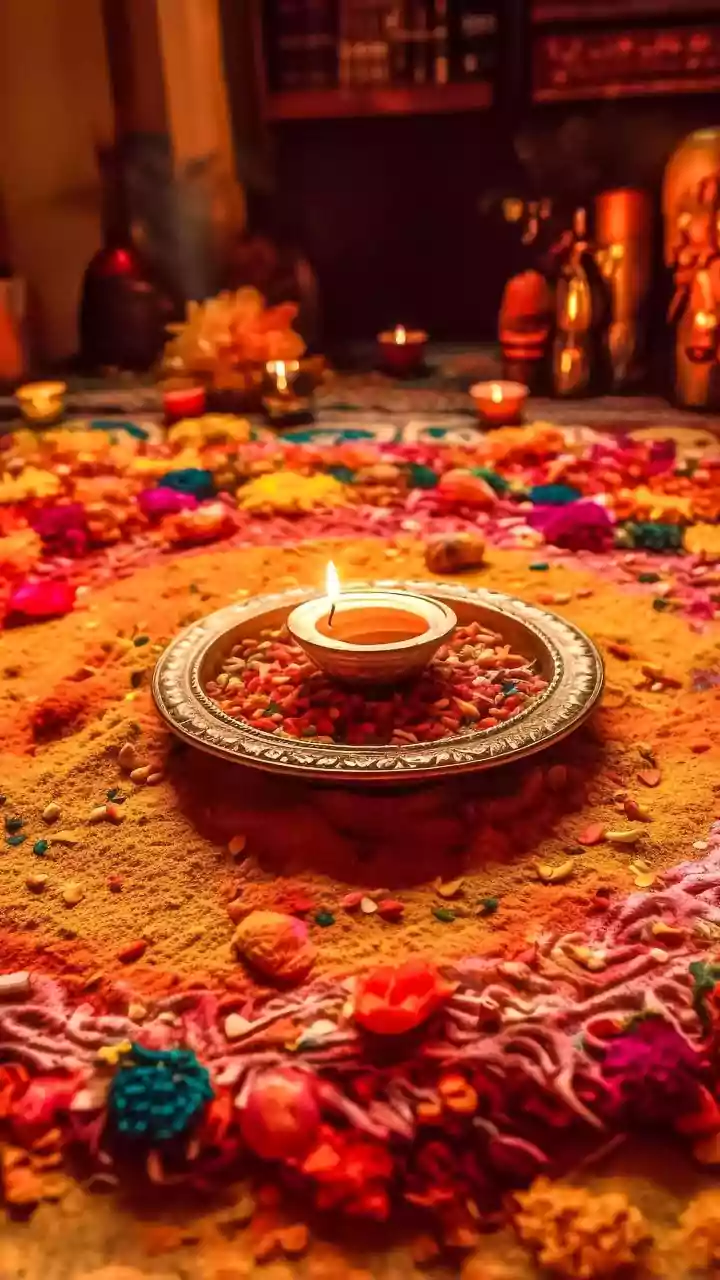
The festival begins with the vibrant and energetic colour orange. This shade represents warmth, enthusiasm, and positivity, making it a perfect start for the nine-day celebration. To bring this energy indoors, think of marigold flowers. Create lush garlands
(torans) for your doorway or arrange them in brass vases as centrepieces. You can also introduce orange-hued cushion covers or throws in your living room to create a cosy and inviting atmosphere for guests.
Day 2, Oct 12: Serenity and Purity in White
Monday's colour is white, symbolising peace, purity, and simplicity. This is an opportunity to create a serene and calming environment. Use strings of jasmine or other white flowers to decorate your pooja area. White fabrics, like sheer curtains or a simple white tablecloth on which you place your festive display, can enhance the feeling of calm. For a modern touch, group white candles of different sizes to create a soft, flickering glow in the evenings.
Day 3, Oct 13: The Power and Passion of Red
Red is the colour for Tuesday, a shade that signifies passion, strength, and is considered highly auspicious. It is often the colour of the chunri offered to the Goddess. Introduce red into your home with a flourish. Think a beautiful red bandhani cloth as a backdrop for your mandir, or a rangoli at your entrance with bold red patterns. Red rose petals scattered in a decorative url (bowl) filled with water also make a simple yet striking statement.
Day 4, Oct 14: Royal Blue for Richness
Wednesday brings Royal Blue, a colour associated with richness, tranquillity, and elegance. This deep, vivid shade can add a touch of grandeur to your festive decor. If you are skilled with rangoli, creating a design with a peacock motif using royal blue would be stunning. Alternatively, use royal blue dupattas or sarees as decorative drapes around pillars or doorways. Blue-hued paper lanterns or fairy lights can also cast an elegant and divine glow.
Day 5, Oct 15: Joy and Optimism with Yellow
Thursday's colour, yellow, is full of cheerfulness, optimism, and joy. This warm and happy colour can brighten any space instantly. Fresh yellow flowers like sunflowers or chrysanthemums can be used generously. A rangoli made primarily with yellow, perhaps from turmeric or coloured powder, will look vibrant. You can also fill glass bowls with water and float yellow flowers and tea lights for a beautiful, illuminated arrangement.
Day 6, Oct 16: Growth and Harmony in Green
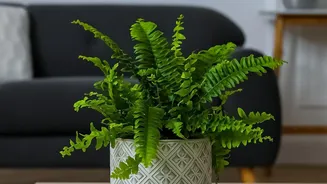
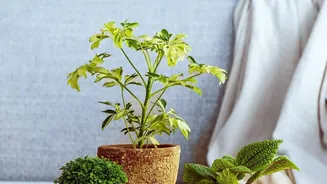
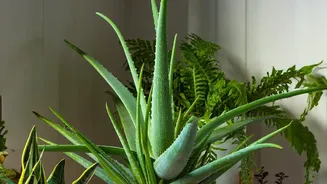
Green, the colour for Friday, symbolises nature, new beginnings, and growth. This is a wonderful opportunity to bring the outdoors in. Use fresh mango leaves for your torans and pooja rituals. Decorating with indoor plants is another eco-friendly way to embrace the theme. Grouping several small potted plants in a corner or using a creeper to frame your mandir can create a fresh and harmonious look.
Day 7, Oct 17: The Uniqueness of Grey
Saturday's colour is grey, which represents balance and can be surprisingly sophisticated. While it may seem like a challenging colour for festive decor, it works beautifully as an accent. Think silver. Use silver-coloured diyas, incense holders, or a thali with a silver finish. Grey cushion covers with metallic or foil prints can add a chic, modern touch to your living space, beautifully catching the evening light.
Day 8, Oct 18: Grandeur and Nobility in Purple
On Sunday, the colour is purple, which is associated with luxury, spirituality, and nobility. This regal shade can make your decor feel special for Ashtami. Use purple flowers like orchids or lavender in your arrangements. You can also use purple fabric for the pooja chowki. Blowing up purple balloons or using purple sheer curtains can be a fun and easy way to incorporate the colour for the day's celebrations.
Day 9, Oct 19: Peacock Green's Fresh Appeal
The final day of Navratri concludes with Peacock Green, a unique shade that implies individuality and freshness. This beautiful blend of blue and green exudes compassion and uniqueness. Use Peacock Green dupattas or scarves to drape around your pooja area. You can also create a final, beautiful rangoli featuring this distinctive colour at its centre. It's a fittingly special colour to mark the culmination of the nine days of celebration.