



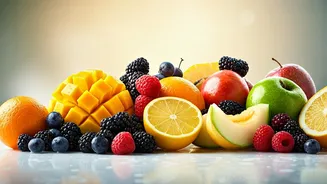




Beyond the Water Bottle
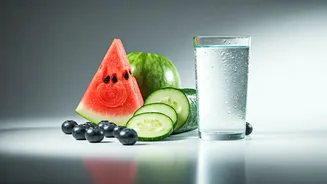
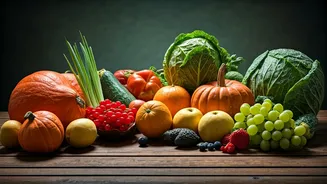
We all know hydration is key, especially in India’s sweltering heat. But chugging plain water can sometimes feel like a chore. This is where the concept of 'food-based hydration' comes in. The trend centres on supplementing your water intake with fruits
and vegetables that have a high water content. Why the sudden buzz? It's a holistic approach. These natural foods don't just provide H2O; they deliver it in a delicious package bundled with essential vitamins, minerals, antioxidants, and fibre that water alone doesn't have.
The Science of Better Hydration
When you eat a hydrating fruit, you're getting more than just water. You're also consuming natural sugars and electrolytes like potassium, magnesium, and sodium. These electrolytes play a crucial role in helping your body absorb and retain water more effectively at a cellular level. Unlike plain water, which can sometimes flush through your system quickly, the fibre in fruits slows down digestion and the release of water, leading to more sustained hydration. This synergy means better skin health, improved digestion, increased energy, and more efficient bodily functions.
The Hydration All-Stars
While many fruits are good for you, some are exceptional when it comes to their water content. They are nature's answer to a sports drink—refreshing, replenishing, and completely free of artificial additives. Here are some of the top contenders you can easily find in your local market to add to your daily diet and quench your thirst from the inside out.
Watermelon: The Ultimate Thirst Quencher
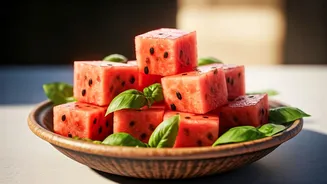
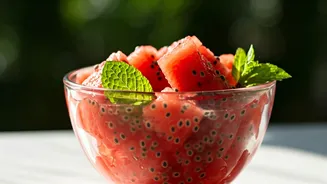
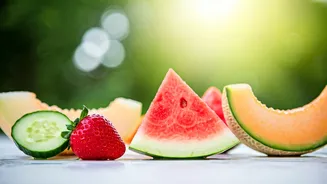
At about 92% water, watermelon is the undisputed king of hydration. A juicy slice on a hot afternoon is not just refreshing; it’s a powerful hydrator. It’s also rich in lycopene, an antioxidant linked to heart and skin health, and contains the amino acid citrulline, which may improve exercise performance. Keep it simple with chilled cubes, or blend it into a cooling slushie without any added sugar.
Cucumber: The Cooling Crunch
Technically a fruit, the humble cucumber boasts an impressive water content of around 95%. It’s low in calories and contains antioxidants and anti-inflammatory compounds. Sliced cucumbers in your water bottle create a spa-like infusion, but they truly shine in salads, raitas, and as a crunchy snack stick dipped in hummus. Their cooling properties make them a perfect antidote to summer heat.
Strawberries: Sweet, Juicy Powerhouses
Don't let their small size fool you. Strawberries are composed of about 91% water and are packed with flavour and nutrients. They are an excellent source of Vitamin C, manganese, and potent antioxidants called polyphenols. Their high fibre and water content make them filling, helping to manage weight. Enjoy them whole, sliced over your morning yogurt, or blended into a healthy smoothie.
Cantaloupe (Kharbuja): The Nutrient-Dense Melon
A staple in Indian summers, cantaloupe, or kharbuja, contains about 90% water. It is an incredible source of Vitamin A and Vitamin C, both vital for a healthy immune system and radiant skin. The potassium it contains helps regulate blood pressure and fluid balance. Its sweet, musky flavour makes it a perfect standalone snack or a delicious addition to a fruit chaat.
How to Eat Your Water Daily
Incorporating these hydrating heroes into your diet is easy. Start your day with a fruit-packed smoothie. Prepare a large fruit salad for easy snacking throughout the day. Add berries and citrus slices to your water for a natural flavour boost. For a refreshing dessert, try freezing grapes or making popsicles from pureed watermelon. By making these fruits a regular part of your meals and snacks, you’re not just eating—you’re actively hydrating your body in the most delicious way possible.