
When it comes to wholesome, comforting meals in an Indian household, the choice often comes down to two beloved classics: dalia and khichdi. Both are celebrated for their nourishing qualities, but which one truly wins in the fibre department?
The Contenders: What Are We Comparing?
Before we
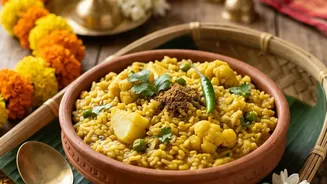
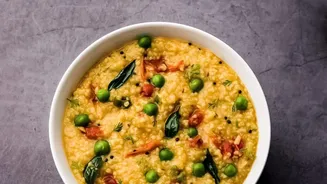
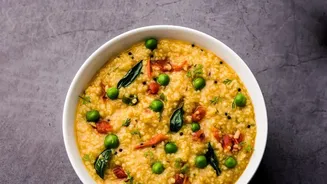
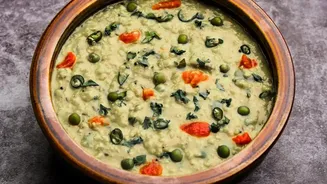
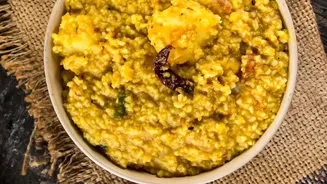
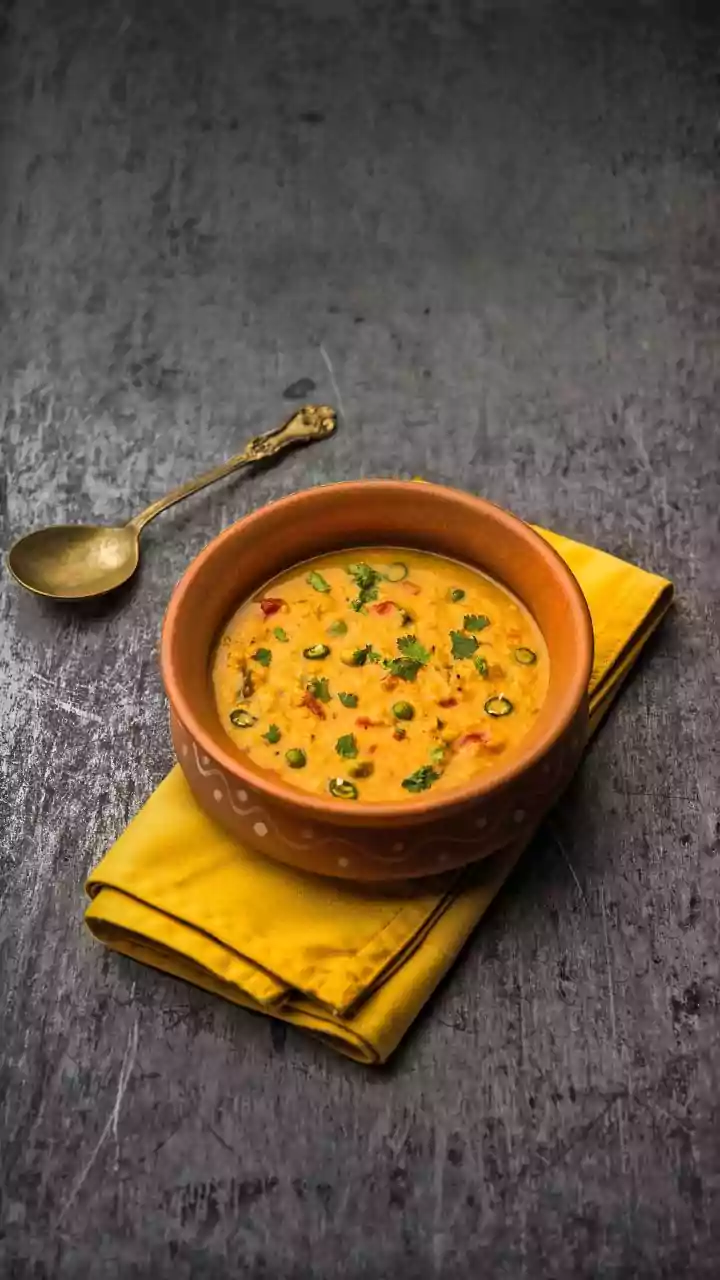
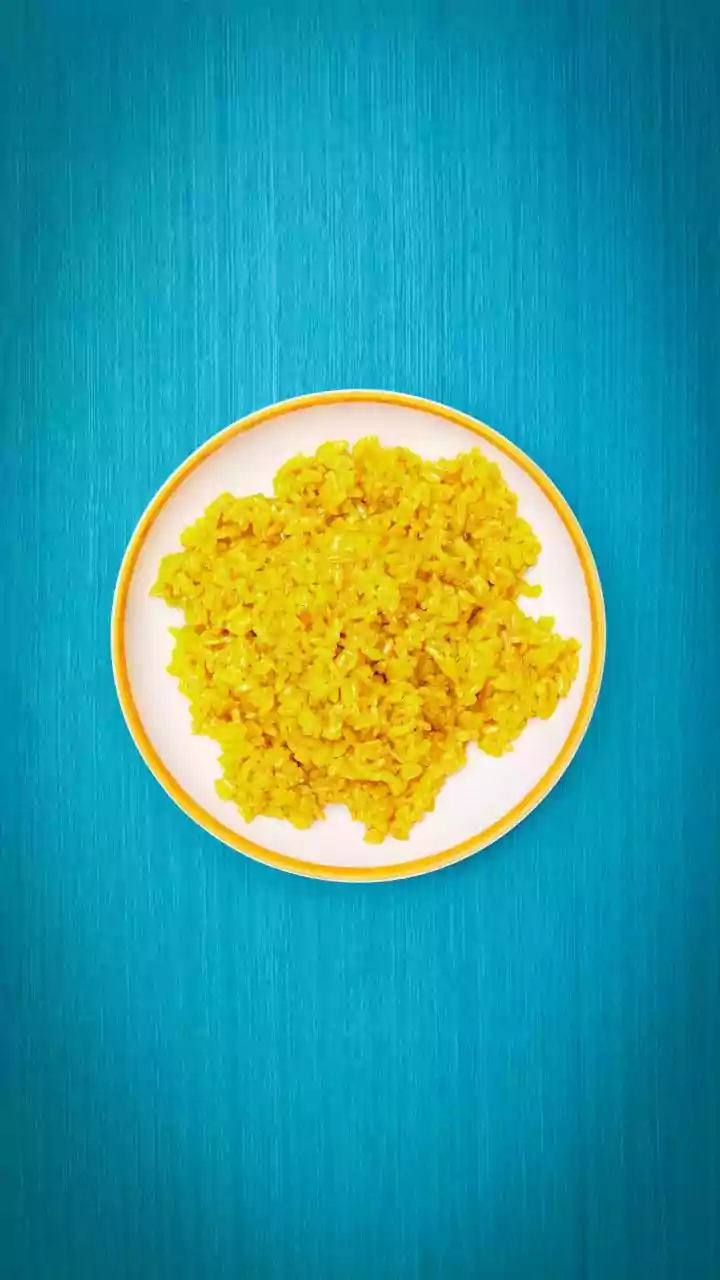
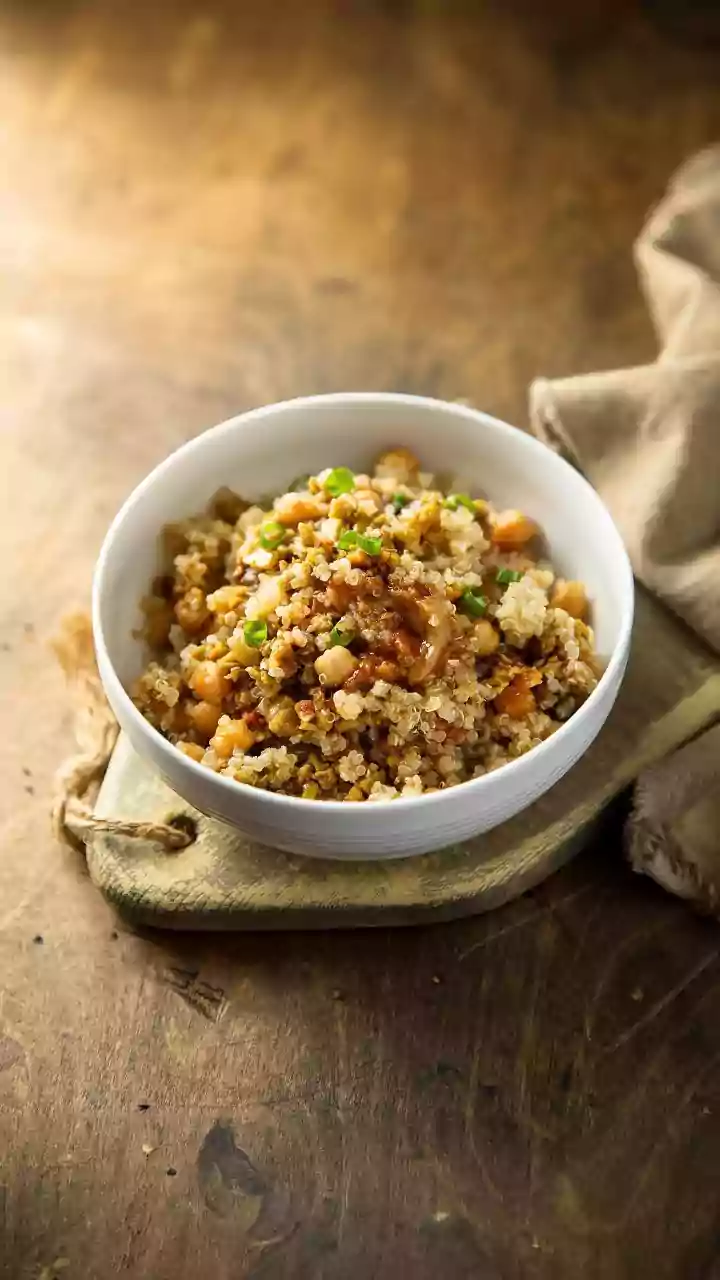
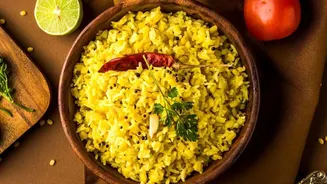
dive into the nutritional specifics, let's get reacquainted with our two contenders. Dalia, also known as broken or cracked wheat, is a whole grain that has been minimally processed. This means it retains its nutrient-rich bran and germ, making it an excellent source of complex carbohydrates and, crucially, dietary fibre. It can be prepared as a savoury upma-style dish or a sweet porridge. Khichdi, on the other hand, is a versatile one-pot meal traditionally made from rice and lentils, typically moong dal. Revered in Ayurveda for being easy to digest and balancing for the body, it’s the ultimate comfort food, especially during recovery from illness.
The Fibre Showdown: A Clear Winner
When comparing the two on fibre content alone, dalia takes a decisive lead. Raw dalia, being a whole wheat product, is exceptionally high in dietary fibre, packing around 10 to 12 grams per 100 grams. This high fibre content is a game-changer for digestive health, as it promotes regular bowel movements and helps you feel full for longer, which is a significant advantage for weight management. By contrast, the fibre in a standard khichdi made with white rice and moong dal is more modest. A typical serving of plain moong dal khichdi might offer around 2.5 to 4 grams of fibre. While beneficial, it's considerably less than what dalia brings to the table. The primary source of fibre in khichdi comes from the lentils, as white rice has very little.
Beyond Fibre: The Bigger Picture
While dalia wins on fibre, khichdi has its own nutritional superpowers. The combination of rice and dal creates a 'complete protein', providing all the essential amino acids that the body needs for muscle repair and maintenance. This makes khichdi an excellent meal for recovery. Furthermore, khichdi is famously gentle on the stomach and easy to digest, making it a superior choice during illness or for those with sensitive digestive systems. Dalia has a low glycemic index (around 41), which means it releases sugar into the bloodstream slowly, providing sustained energy and making it an excellent choice for individuals managing blood sugar levels.
How Preparation Changes Everything
It's important to remember that these are just base comparisons. The final nutritional profile of either dish depends heavily on how it’s prepared. You can significantly boost the fibre and nutrient content of khichdi by making simple swaps. Using brown rice or millets like bajra instead of white rice can dramatically increase its fibre. Loading up either dalia or khichdi with plenty of vegetables like carrots, peas, and beans is another fantastic way to increase fibre, vitamins, and minerals. These additions can easily elevate khichdi's fibre content, bringing it closer to that of dalia.