

North India: The Sattvic Fast
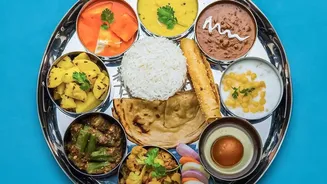
In states like Punjab, Haryana, Delhi, and Uttar Pradesh, Navratri is primarily a period of fasting. Devotees observe a strict Sattvic diet, which means no grains, lentils, onions, garlic, or regular table salt. The focus is on purity and simplicity.
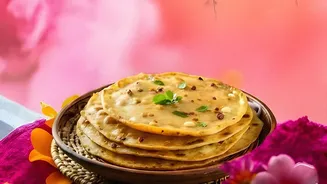
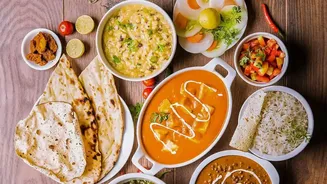
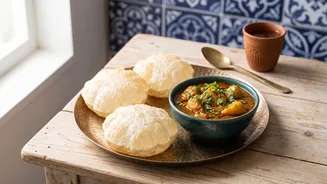
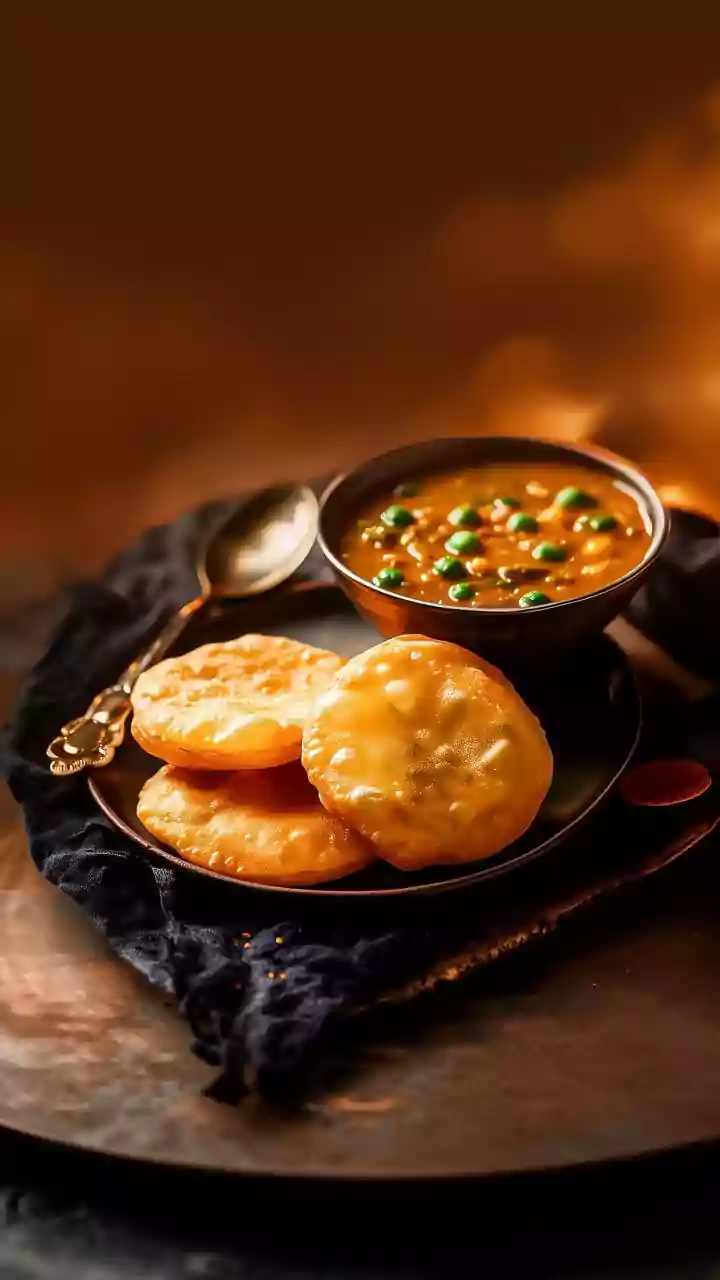
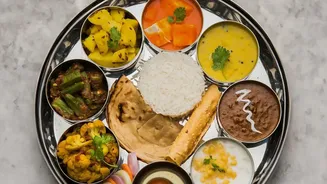
Kitchens turn to alternative flours like buckwheat (kuttu atta), water chestnut (singhara atta), and amaranth (rajgira atta). Meals often feature dishes like 'Kuttu ki Puri' (fried bread made from buckwheat flour) served with a simple potato curry, and 'Samak ke Chawal' (barnyard millet), which serves as a rice substitute. Snacks include roasted fox nuts (makhana) and fruits. The fast traditionally culminates on the eighth or ninth day with Kanya Pujan, where young girls are worshipped and offered a special meal of 'halwa' (a sweet semolina dish), 'puri', and 'kale chana' (dry black chickpeas).
Gujarat: Farali Food and Garba Fuel
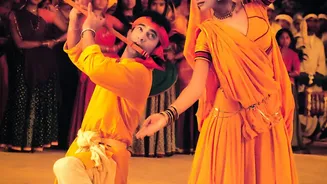
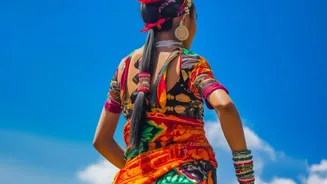
For Gujarat, Navratri is synonymous with energetic Garba and Dandiya Raas dances that go on late into the night. The food, known as 'farali', is designed to provide energy while adhering to fasting rules. The principles are similar to the North—no grains, lentils, onion, or garlic. However, the array of farali dishes is vast and creative. A staple is Sabudana Khichdi, made from tapioca pearls, potatoes, and roasted peanuts. Other popular snacks include Farali Pattice (potato patties stuffed with a sweet coconut and nut filling) and dishes made from yams and sweet potatoes. While fasting is common, the evenings are a time for feasting on these special vrat-friendly delicacies that are both delicious and sustaining for the dance-filled nights.
West Bengal: A Grand Feast for Durga Puja
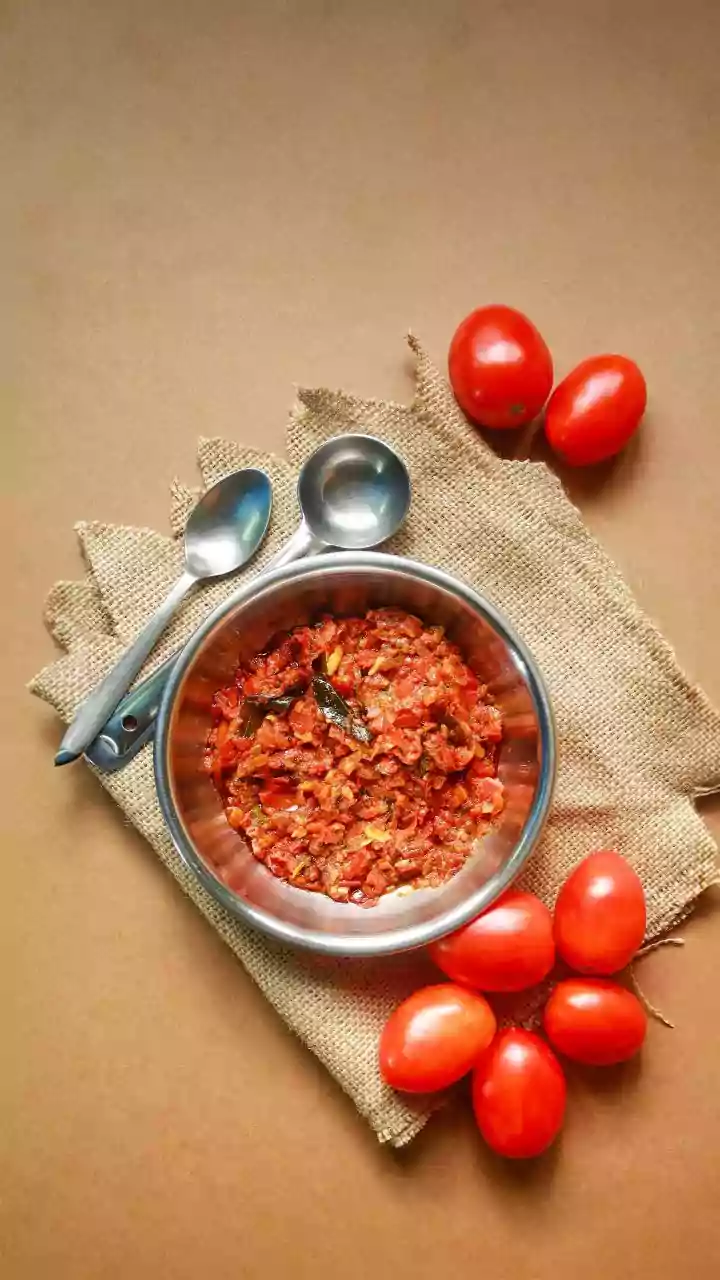
In West Bengal, the Sharadiya Navratri period is celebrated as Durga Puja, and it is a time for feasting, not fasting. This festival marks the homecoming of Goddess Durga, and the culinary mood is one of joyous indulgence. While some families may observe a vegetarian diet on certain days, the celebration is largely a gastronomic extravaganza. The centerpiece of community worship is the 'bhog'—a food offering to the goddess that is later distributed to devotees. This typically includes 'khichuri' (a rice and lentil dish), 'labra' (a mixed vegetable curry), fried items like 'begun bhaja' (fried eggplant), and a sweet tomato chutney. Beyond the bhog, homes and street stalls are filled with everything from 'luchi' (fluffy fried bread) and 'alur dom' (potato curry) to elaborate fish and mutton curries, especially from the sixth day (Shasthi) onwards.
South India: Golu and Protein-Rich Sundal
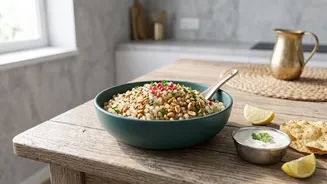
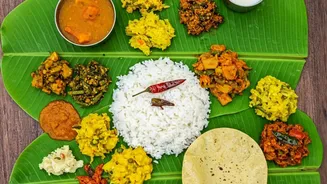
In Southern states like Tamil Nadu, Karnataka, and Andhra Pradesh, Navratri is celebrated with the beautiful tradition of 'Golu' or 'Kolu', an elaborate display of dolls. Food is a central part of inviting guests to view these displays. The culinary star of the Southern Navratri is 'sundal'. This is a simple, savoury, and protein-packed snack made from different legumes and lentils. Each of the nine days features a different kind of sundal, such as one made from chickpeas, black-eyed peas, peanuts, or green gram, seasoned with mustard seeds, curry leaves, and grated coconut. Besides sundal, other offerings or 'naivedyam' include sweet 'payasam' (kheer), lemon rice, and tamarind rice, all prepared without onion or garlic. It's a celebration that combines artistic expression with wholesome, flavourful food shared with the community.