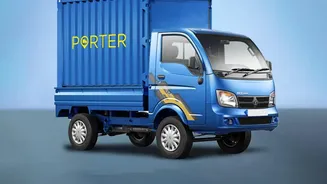








As India dives into the festive season, the surge in online shopping and express deliveries is unmistakable. But behind the scenes of every delivered package is a complex logistical dance, creating a massive demand for one specific role: the fleet manager.
The Annual Festive Surge
Every year, the period from August to December marks India's peak consumption season. E-commerce platforms and retail giants launch massive sales events, leading to a colossal spike in order volumes. To cope, the logistics and supply chain sectors go on a hiring spree. In 2026, this trend is stronger than ever, with an expected 15-20% growth in temporary and gig jobs across e-commerce, quick commerce, and logistics. This surge is expected to create over 2.5 lakh temporary jobs, with a significant portion dedicated to making sure goods move from warehouses to doorsteps efficiently.
E-commerce as the Engine
The driving force behind this demand is the relentless growth of e-commerce and quick commerce. In 2026, hiring in the e-commerce sector grew by 12%, while quick commerce saw an 18% increase in job postings. Companies are investing heavily to expand their operational networks, especially in Tier-2 and Tier-3 cities, which now account for a significant portion of hiring. This expansion isn't just about hiring more delivery personnel; it's about building a robust back-end to manage the increased complexity. This is where fleet management becomes mission-critical.
More Than Just Trucks and Drivers
The role of a fleet manager has evolved far beyond simply tracking vehicles. Today's fleet manager is a strategic operator at the heart of the supply chain. Their responsibilities are vast and complex: they oversee everything from vehicle maintenance and fuel cost optimization to route planning and ensuring regulatory compliance. In a high-stakes environment like the festive season, their ability to make data-driven decisions is crucial. They use sophisticated fleet management software to monitor vehicle performance in real_time, predict maintenance needs, manage driver schedules, and optimize delivery routes to ensure speed and cost_efficiency.
The Skills That Matter Most
The modern fleet manager needs a diverse skill set. Technical proficiency with fleet management systems, telematics dashboards, and data analysis is now a baseline requirement. They must be able to interpret data to identify inefficiencies, reduce fuel wastage, and improve turnaround times. Beyond the technical aspects, strong leadership and communication skills are essential for managing a large team of drivers and coordinating with various stakeholders across the supply chain. Financial acumen is also key, as they are responsible for budgeting, contract negotiation, and managing the overall cost of fleet operations.
A Career Path Beyond the Season
While the festive season provides the initial spark, the demand for skilled fleet managers is not just a temporary trend. The Indian fleet management market, valued at over USD 1.4 billion in 2026, is projected to grow significantly, reaching over USD 3 billion by 2034. This growth is fueled by the permanent shift towards online retail and the increasing digitisation of the logistics sector. For job seekers, this means that a seasonal role in fleet management can be a gateway to a long term, stable career in a rapidly expanding industry. Employers are increasingly looking to retain top performing festive hires for permanent positions.