



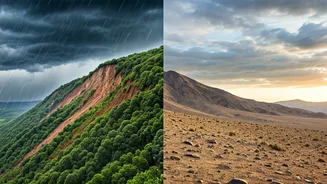


Understanding the Rain-Shadow
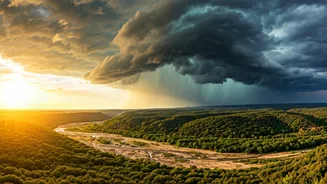
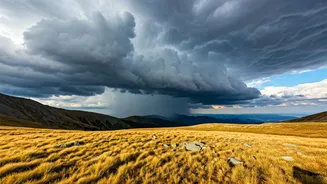
Before we dive into destinations, let's quickly understand the science. When moisture-laden monsoon clouds hit a mountain range like the Himalayas or the Western Ghats, they are forced to rise and release all their rain on the windward side. By the time
the clouds cross over to the other side—the leeward side—they have very little moisture left. This creates a dry, and often sunny, 'rain shadow' area, making it a perfect, accessible region for travel while other parts of the country are drenched.
The High-Altitude Desert: Ladakh
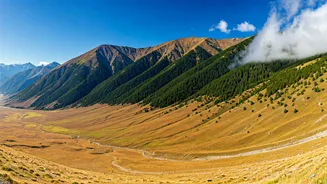
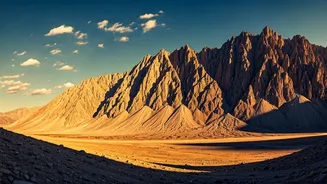
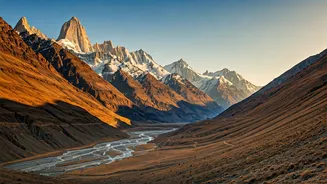
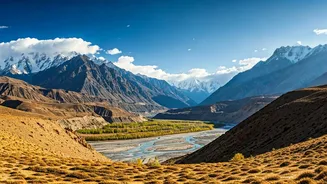
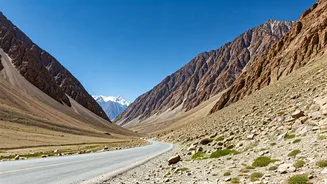
Ladakh is the classic example of a rain-shadow paradise. Sheltered by the towering Himalayan ranges, this high-altitude desert receives minimal rainfall during the monsoon months of July and August. While the rest of India deals with humidity and downpours, Ladakh offers pleasant daytime temperatures ranging from 20 to 30 degrees Celsius, clear blue skies, and breathtaking landscapes. This is the ideal time to explore iconic sights like Pangong Tso lake, the sand dunes of Nubra Valley, and the ancient monasteries of Leh without the peak season crowds of June. The roads within Ladakh, including high passes like Khardung La and Chang La, are clear of snow and fully accessible. A word of caution: the highways leading to Ladakh from Manali and Srinagar can be prone to landslides, so flying into Leh is often the safer and more reliable option.
The Middle Land: Spiti Valley
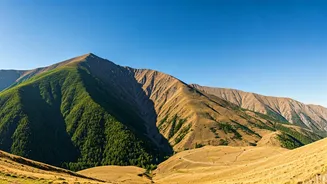
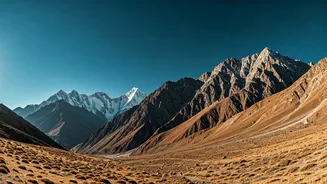
Much like its neighbour Ladakh, Spiti Valley in Himachal Pradesh is a cold desert mountain valley that is shielded from the monsoon. The mighty Pir Panjal and Great Himalayan ranges block the rain clouds, leaving Spiti largely dry and sunny between June and September. This period transforms the stark landscape, with some areas turning a surprising shade of green. It's an excellent time for road trips, trekking, and visiting ancient Buddhist monasteries like Key and Tabo, which are less crowded than in peak summer. For travellers heading to Spiti, the route via Shimla and Kinnaur is generally considered more stable during the monsoon than the road from Manali, which can face blockages. With its dramatic scenery of barren mountains, deep gorges, and vibrant blue skies, Spiti offers a raw and unforgettable adventure.
The Eastern Ghats Escape: Pollachi
The rain-shadow effect isn't just a Himalayan phenomenon. The Western Ghats also create a dry belt on their eastern side. While coastal Kerala and the western slopes of the Ghats receive heavy rainfall, areas just across the mountains in Tamil Nadu remain significantly drier. A prime example is the region around Pollachi, near Coimbatore. Located on the leeward side, it benefits from the Palghat Gap in the mountains, which influences its weather. While the region does get some rain that turns it lush and green, it avoids the relentless downpours of its western neighbours, offering a pleasant climate for exploration. The monsoon months are perfect for visiting Aliyar Dam, Monkey Falls, and driving through the scenic coconut groves that the area is famous for, making it an accessible and refreshing Southern getaway.
The Deccan Plateau's Secret
Further inland, a large part of the Deccan Plateau lies in the rain shadow of the Western Ghats. This includes parts of interior Karnataka and western Tamil Nadu. While not completely devoid of rain, these areas receive far less precipitation than the coast. This makes historical explorations of sites like Hampi, Badami, or the temple towns of Tamil Nadu a viable and often pleasant option during the monsoon. The cloud cover provides a welcome respite from the usual scorching heat, and the occasional shower washes the ancient stone monuments, bringing out their colours and textures. The landscape turns a vibrant green, but without the travel-halting deluges of more exposed regions, offering a different, more serene way to experience these timeless sites.