





Your Car's Pre-Journey Health Check
Mountain roads put extra strain on your vehicle. Before you even think about packing, give your car a thorough inspection. Start with the essentials: brakes, tyres, and engine fluids. Your brakes are your most critical safety component on steep descents.
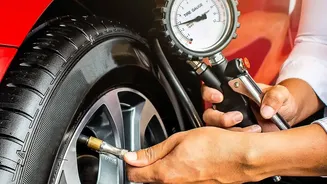
Ensure the brake pads are not worn out and the brake fluid is at the correct level. Tyres are your only contact with the road, so check for adequate tread depth and any cuts or cracks. Properly inflated tyres, including the spare, are crucial for grip on winding routes. Under the hood, verify the levels of engine oil, coolant, and washer fluid. Long climbs can cause an engine to overheat, so a healthy cooling system is non-negotiable. Finally, test all your lights – headlights, fog lamps, and brake lights – as visibility can drop suddenly in the hills.
Mastering Mountain Driving Techniques
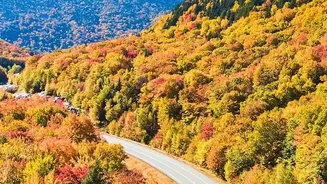
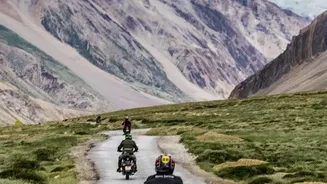
Driving in the hills is a different ball game compared to city traffic. The golden rule is to go slow and stay alert. When climbing steep inclines, use a lower gear to give your engine more power without straining it. Conversely, when descending, use engine braking by shifting to a lower gear instead of constantly riding your brakes. This prevents brake overheating and failure. Hairpin bends require special care. Approach them slowly, honk to announce your presence on blind curves, and never overtake. The established etiquette on narrow mountain roads is to give way to upcoming traffic. Always maintain a safe distance from the vehicle ahead, as stopping distances can be longer on slippery or gravelly surfaces.
Navigating Weather and Road Hazards
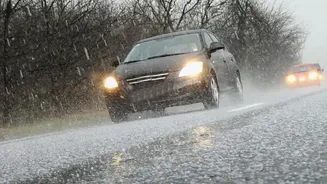
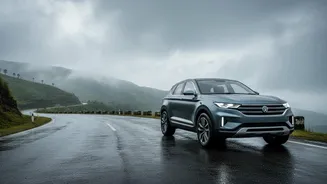
The weather in the mountains is famously unpredictable. A sunny morning can quickly turn into a foggy afternoon with heavy rain. During the monsoon, be especially vigilant for waterlogged patches and the risk of landslides. If you encounter a section with flowing water or debris, it is safer to wait and observe how other vehicles navigate it before proceeding. Never attempt to cross a flooded road if you cannot gauge its depth. In case of a landslide, your car offers a protective shell, so it's often safer to stay inside unless the vehicle is in a more dangerous position. If visibility drops severely due to fog or rain, it’s wise to pull over at a safe spot and wait for conditions to improve.
Your In-Car Emergency Kit
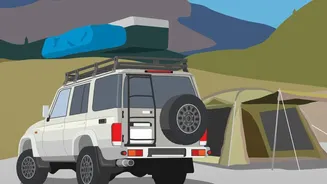
While you hope for the best, you must prepare for the worst. A well-stocked emergency kit can be a lifesaver. Your kit should start with vehicle essentials: a properly inflated spare tyre with the necessary tools to change it, a puncture repair kit, jumper cables, and a tow rope. Beyond that, pack a comprehensive first-aid kit with basics like bandages, antiseptic, pain relievers, and any personal medications. Since help may not be immediately available in remote areas, also include non-perishable snacks, plenty of drinking water, a powerful torch, and a fully charged power bank for your phone. Downloading offline maps for your route is also a smart move, as mobile network coverage can be patchy in the mountains.