


The Science of 'Wow'
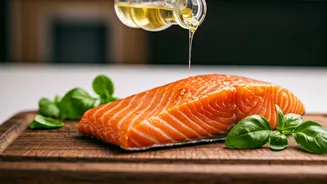
What exactly does 'tang' do? In culinary terms, we're talking about acidity. When you add an acid—be it a squeeze of lime, a spoonful of yogurt, or a dash of vinegar—to a dish, you're performing a small act of magic. Acidity cuts through richness and
fat, making a heavy curry or a fried snack feel lighter and more balanced. It brightens other flavours, making the spices in your dal or the herbs in your chutney pop. Think of it as the volume knob for flavour. A dish without enough acid is like music played too quietly; the elements are there, but you can’t appreciate them fully. This principle is so fundamental that celebrated chefs and food writers like Samin Nosrat have built entire philosophies around it. Her concept of 'Salt, Fat, Acid, Heat' places acid as one of the four essential pillars of good cooking, proving that this isn't just a trend, but a timeless truth.
Moving Beyond Nimbu and Sirka
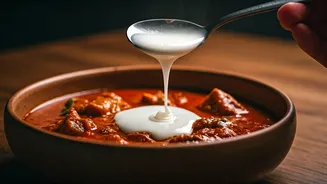
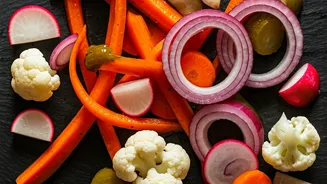
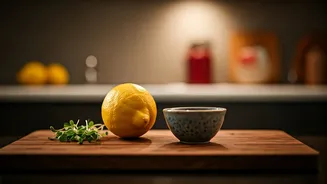
In the Indian kitchen, we are no strangers to tang. A squeeze of nimbu over dal, a swirl of dahi in a curry, or the sharp bite of sirka in pickled onions are all second nature. These are our foundational tangy notes, the reliable workhorses of our cuisine. But limiting ourselves to just lemon and vinegar is like listening to only two notes of a beautiful song. The world of tang is vast, complex, and incredibly exciting. To become a truly 'bold' home cook is to explore the full spectrum of sourness. It means understanding that the fruity, mellow tang of tamarind works differently from the sharp, clean hit of lime or the deep, fermented sourness of a good pickle. Each brings its own personality to the plate.
The Indian Pantry of Pucker
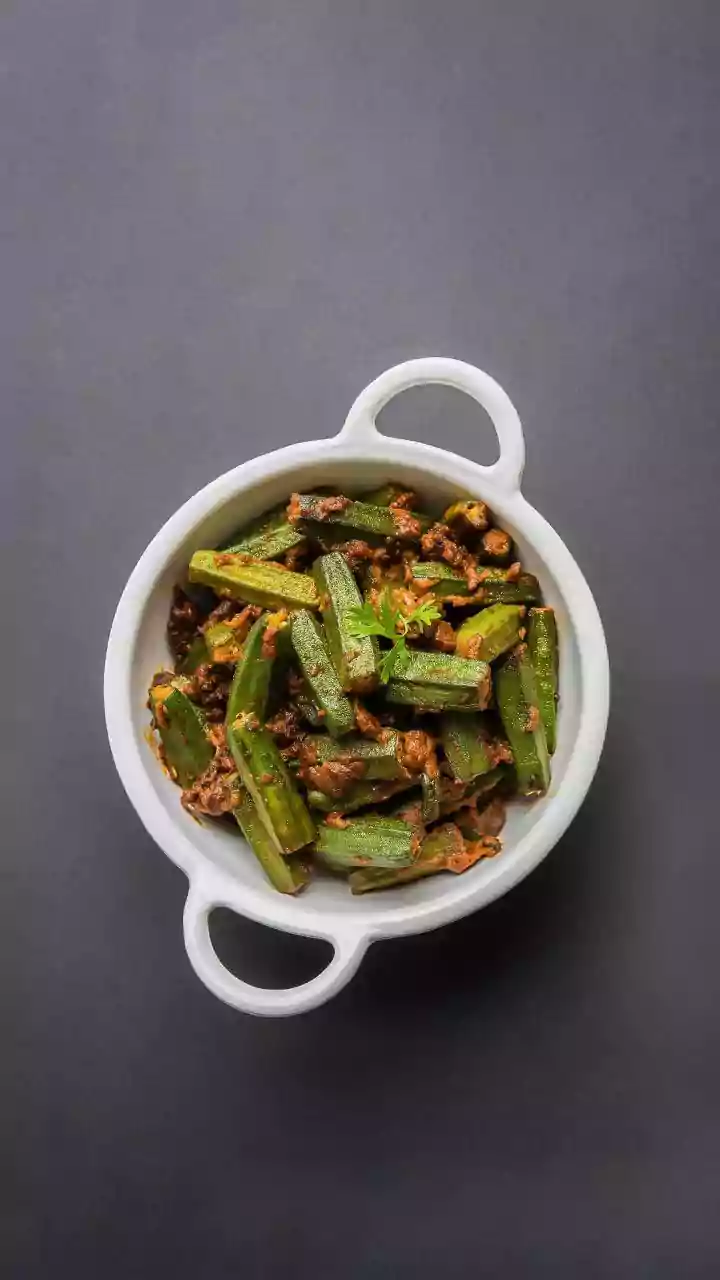
Your journey into a tangier world can begin right in the Indian spice box. Let’s look at some heroes: - **Amchoor (Dried Mango Powder):** This fine, pale powder offers a tart, slightly fruity sourness. It’s brilliant in dry vegetable preparations like bhindi masala or sprinkled into chickpea salads and chaat, providing a sour note without adding extra liquid. - **Kokum:** Primarily used in coastal cuisines of Maharashtra and Goa, these dried fruit rinds impart a unique, deep-sour flavour and a beautiful purplish hue. A few pieces simmered in a fish curry or dal create a taste that is both tangy and slightly sweet, entirely distinct from tamarind. - **Tamarind (Imli):** The undisputed king of souring agents in the South. Its dark, sticky pulp provides a complex, sweet-sour taste that is the backbone of dishes like sambar, rasam, and countless chutneys. It has a depth that nimbu simply cannot replicate. - **Anardana (Dried Pomegranate Seeds):** Available whole or powdered, anardana provides a tangy, fruity crunch that is spectacular in Punjabi chole or as a souring agent in stuffings for parathas.
Going Global for Tang
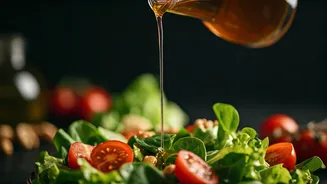
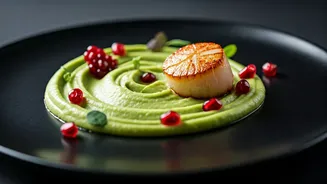
The next step is to look beyond our borders, where a world of accessible ingredients awaits. These can add a surprising and sophisticated twist to your cooking. - **Sumac:** This coarse, deep-red powder from the Middle East has a bright, lemony taste without being overly acidic. It’s fantastic sprinkled over grilled chicken, salads, or even a simple bowl of hummus. It adds tang and a beautiful colour. - **Pomegranate Molasses:** A thick, syrupy reduction of pomegranate juice, it's intensely tangy and slightly sweet. A tiny drizzle can transform a salad dressing, a marinade for roasted vegetables, or a glaze for meats. It's a complex, one-ingredient wonder. - **Rice Vinegar:** A staple in East Asian cooking, this vinegar is milder and often slightly sweeter than our standard white vinegar. It's perfect for quick pickles, light dressings, or adding a gentle acidic lift to stir-fries without overpowering them.
How to Be a Tangy Cook
Becoming bold with tang doesn't mean making everything mouth-puckeringly sour. It’s about balance and timing. Start tasting your food at every stage. Does your rich mutton korma feel a bit one-dimensional? A tiny squeeze of lemon at the very end might be all it needs. Is your palak paneer tasting a bit flat? A pinch of amchoor stirred in during the last minute of cooking can awaken all the flavours. The golden rule is to add acid at the end of cooking. Heat can diminish the brightness of many acids, so a final flourish just before serving often has the biggest impact. Start small. Add a little, stir, and taste. You can always add more, but you can’t take it away.