




The Golden Revival of an Ancient Staple
For years, ghee was viewed with suspicion, often blamed for health issues and pushed aside in favour of imported oils and industrially refined options. However, a cultural and nutritional reawakening is underway. Health-conscious home cooks are embracing
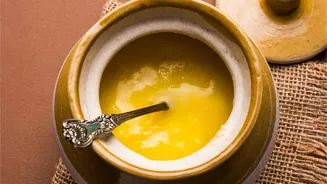
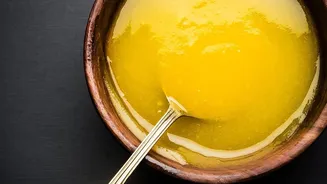
this ancient fat, not just for its rich, nutty flavour but for its impressive health credentials. Stripped of the milk solids and water, ghee is a form of clarified butter that is rich in fat-soluble vitamins and healthy fatty acids. Its resurgence is rooted in a return to traditional wisdom, backed by a growing body of modern science that confirms what our grandmothers seemed to know all along: pure ghee, used correctly, is a cornerstone of a nourishing diet.
Understanding Cold-Pressed Oils
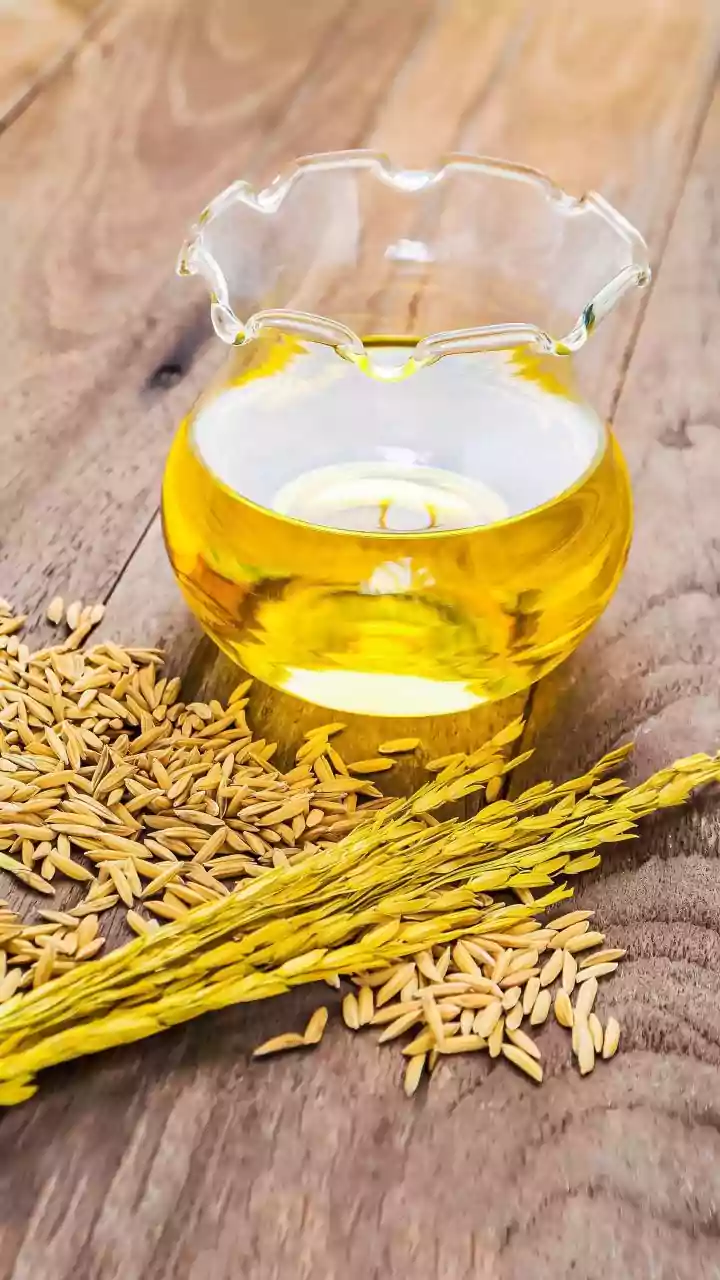
At the same time, the wellness world has championed cold-pressed oils. Unlike refined oils, which are processed with high heat and chemicals, cold-pressed oils are extracted using mechanical pressure at low temperatures. This gentle process helps retain the oil's natural flavour, aroma, and, most importantly, its nutritional profile, including antioxidants and vitamins. Popular choices in Indian households include groundnut, coconut, mustard, and sesame oils. They are undoubtedly a massive step up from their refined counterparts, offering purer, more natural fats for daily cooking. But as home chefs become more discerning, they are asking a critical question: is even the best cold-pressed oil the right choice for every type of cooking?
The Critical Factor: Smoke Point
The single most important factor for choosing a cooking fat, especially for high-heat Indian methods like tadka and frying, is its smoke point. This is the temperature at which an oil begins to break down, burn, and release harmful free radicals. When this happens, the oil not only loses its nutritional benefits but also creates potentially toxic compounds. Herein lies ghee’s most significant advantage. Ghee has an exceptionally high smoke point, around 250°C. In contrast, many popular cold-pressed oils have lower smoke points. For example, cold-pressed coconut oil smokes at around 177°C. While some traditional Indian oils like cold-pressed mustard and groundnut have higher smoke points, ghee's stability across high temperatures makes it a safer, more reliable choice for the rigours of the Indian kitchen, preventing the formation of harmful compounds during cooking.
Beyond Heat: The Nutrient Delivery System
Ghee's benefits are not just about what it prevents, but what it provides. It is a natural source of butyric acid, a short-chain fatty acid that serves as a primary fuel source for the cells lining our gut, helping to reduce inflammation and support digestive health. It also contains fat-soluble vitamins like A, D, E, and K. The latest trend among home chefs—infusing ghee with herbs and spices—amplifies these benefits. In Ayurveda, ghee is known as a ‘Yogavahi,’ meaning it acts as a carrier substance that helps transport the medicinal properties of herbs deeper into the body’s tissues. By infusing ghee with ingredients like turmeric, garlic, ashwagandha, or tulsi, you are not just adding flavour. You are creating a functional food where the fat helps your body better absorb the active compounds of the herbs, such as the curcumin in turmeric.
Infused Ghee: A Modern Take on Ancient Wisdom
This practice of infusing ghee transforms a simple cooking fat into a potent wellness tool. A turmeric-infused ghee, for example, combines the gut-soothing properties of butyric acid with the powerful anti-inflammatory benefits of curcumin. A garlic-infused ghee can support cardiovascular health, while one with ashwagandha can help the body manage stress. This synergy is what urban home chefs are finding so compelling. It represents a perfect marriage of tradition and modern health science, allowing them to elevate their daily meals from simple sustenance to targeted nourishment. It moves the conversation beyond just 'good fats' and 'bad fats' to 'smarter fats.'