



The Sobering Reality of a Lost Cat
No pet parent wants to imagine their beloved cat getting lost, but the reality is that it happens. In India, a significant number of pets, including cats, go missing or are homeless. A recent study highlighted that 6% of cat owners had lost their pet.
An indoor cat can slip out an open door, or a confident outdoor explorer can wander too far. Without proper identification, the chances of being reunited are sadly low. People may mistake a lost pet for a stray. A collar and tag, or a microchip, can be the deciding factor between a happy reunion and a heartbreaking loss.
Your ID Checklist: Collars and Microchips
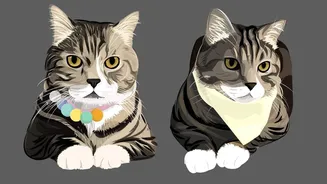
There are two primary forms of identification every cat should have: a collar with a tag, and a microchip. Think of them as a team. The collar is the first line of defence; it's a visible sign that the cat has a home. For safety, choose a 'breakaway' collar that will snap open if it gets caught on something. The tag should clearly list your name and phone number. Some even recommend adding "Indoor Only" if that's the case. The microchip is the permanent, failsafe backup. It's a tiny electronic chip, about the size of a grain of rice, injected under your cat's skin. It can't fall off or be removed, making it an invaluable tool for reunification.
How to Conduct a Microchip Audit
A microchip is only effective if the information it links to is current. If you've moved or changed your phone number since the chip was implanted, it's crucial to update your details. If you don't know your cat's microchip number or which registry it's on, your first step is a visit to the vet. They can scan the chip to retrieve the unique ID number. In India, several registries operate, so it's important to find out which one holds your records. Once you identify the registry, you can usually log in to their website to update your contact information. Some clinics may also be able to assist with this process.
The Rise of GPS Trackers
For an extra layer of security, some pet owners are turning to GPS trackers. Unlike microchips, which are passive and require a scanner, GPS trackers actively show your cat's location in real-time on your smartphone. These devices are typically attached to a collar and offer incredible peace of mind. However, they have their own considerations. They are more expensive than a simple tag, require regular charging, and often involve a monthly subscription fee. While not a replacement for a permanent microchip, a GPS tracker can be a powerful tool, especially for cats who have a tendency to roam.
Don't Forget the Simplest ID of All
In the digital age, your phone is one of the most powerful tools you have if your pet goes missing. Take a moment this week to capture clear, recent photos of your cat. Be sure to get shots from the front, back, and sides, paying close attention to any unique markings, fur patterns, or distinctive features like eye colour. These images are invaluable for creating 'lost cat' posters and for sharing on social media and local community groups. Having high-quality, current photos ready to go means you can act immediately, which can make all the difference in a search.