
Flat-Leaf vs. Curly: What’s the Difference?
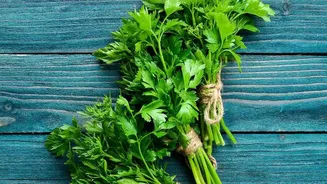
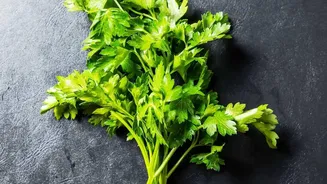
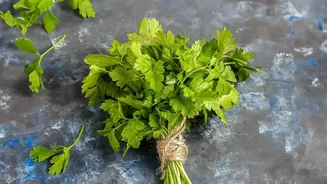
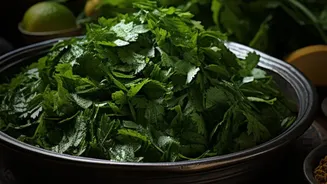
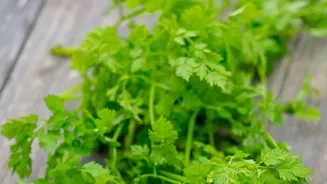
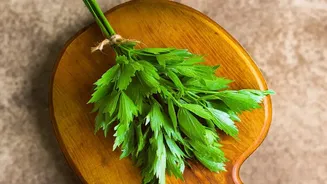
Before you start cooking, it helps to know your parsley. There are two main types you'll find in the grocery store: flat-leaf (or Italian) and curly. While they can often be used interchangeably, they have distinct characteristics. Flat-leaf parsley has
a more robust, peppery, and complex flavour, making it a favourite for cooking. Its smooth leaves are also easier to chop. Curly parsley has a milder, cleaner, and more grassy taste. Its ruffled texture, once relegated to the role of a 1980s dinner plate garnish, can add a lovely, crunchy freshness when chopped and added to dishes raw. For most recipes where parsley is a key flavour, flat-leaf is the preferred choice.
Blend it into a Brilliant Green Sauce
One of the best ways to use a large bunch of parsley is to transform it into a vibrant, flavour-packed sauce. These sauces are incredibly versatile and can be spooned over grilled meats, fish, roasted vegetables, or used as a sandwich spread. The most famous is Argentinian chimichurri, a zesty blend of finely chopped parsley, garlic, oregano, olive oil, and red wine vinegar. Italy’s salsa verde is similar, often featuring parsley, capers, anchovies, garlic, and lemon juice. You can also make a simple parsley pesto by swapping out the traditional basil. Blend parsley with nuts like walnuts or almonds, Parmesan cheese, garlic, and olive oil for a sauce that’s perfect with pasta or spread on crusty bread.
Make Parsley the Star of the Salad
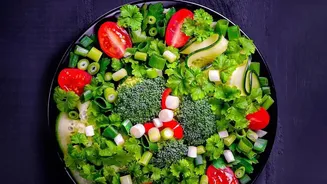
Move over, lettuce. A salad made predominantly with parsley is a refreshing and nutrient-packed dish common in Mediterranean and Middle Eastern cuisines. The most well-known is tabbouleh, though many modern versions use far more bulgur than parsley. A traditional tabbouleh should be a sea of green, with finely chopped parsley making up the bulk of the salad, punctuated by a little mint, tomato, onion, and a light lemon-oil dressing. You can also create simpler parsley-forward salads. A big handful of parsley leaves, tossed with a light vinaigrette, some thinly sliced red onion, and perhaps some toasted nuts or feta cheese, makes for a surprisingly delicious and sophisticated side dish.
Add Depth and Freshness to Soups
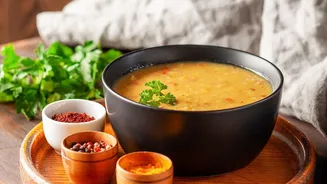
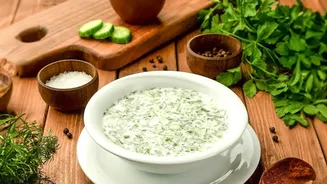
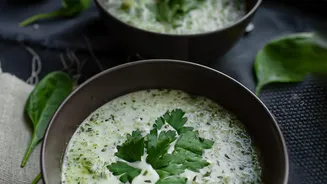
A large quantity of parsley can add a surprising depth of flavour and a beautiful green hue to soups. Instead of a small sprinkle at the end, consider blending parsley right into the soup itself. A simple potato and leek soup can be transformed by adding a big bunch of parsley and spinach at the end before pureeing. You can also make soups where parsley is the main event. A hearty vegetable and bean soup, loaded with a cup or more of chopped parsley added in the final minutes of cooking, becomes incredibly fragrant and flavourful. Even a simple carrot or celery soup gets a major upgrade in colour and taste from a generous helping of the herb.
Weave It into Hearty Main Dishes
Parsley is a team player that enhances the flavour of many savoury dishes. It is a key component in 'gremolata', an Italian condiment made of chopped parsley, lemon zest, and garlic that is traditionally spooned over osso buco but is fantastic on any roasted or braised meat. Finely chopped parsley adds moisture and a fresh counterpoint to the richness of meatballs, meatloaf, and stuffings for poultry or vegetables. You can also create a simple, elegant pasta dish by tossing hot spaghetti with garlic sautéed in olive oil, a mountain of chopped fresh parsley, and a squeeze of lemon.