







Beyond the Usual Summit
When most people think of trekking in India, their minds immediately picture the formidable, ice-clad peaks of the Himalayas. But for a growing number of eco-conscious travelers, the real adventure lies further south, in the lush, tropical biodiversity
hotspot of the Western Ghats. This UNESCO World Heritage site is a mountain range that runs parallel to India’s western coast, and nestled within its folds are two destinations that epitomize a greener, quieter kind of trekking: Coorg and Wayanad. These neighboring districts, in the states of Karnataka and Kerala respectively, are trading the high-altitude, high-exertion appeal of the north for something more intimate—misty trails, rich biodiversity, and a deep connection to the land.
Coorg: The 'Scotland of India'
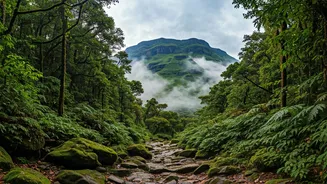
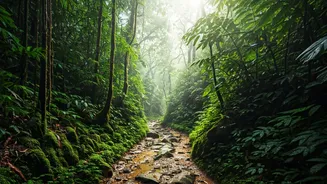
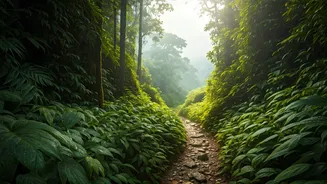
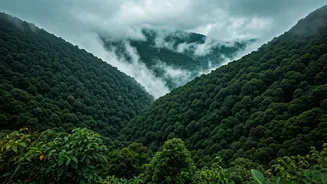
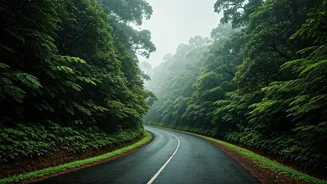
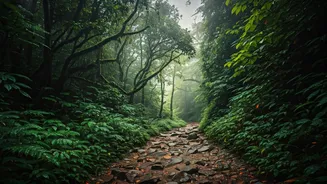
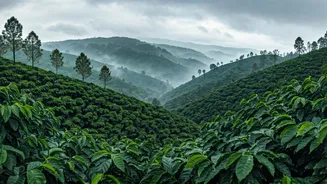
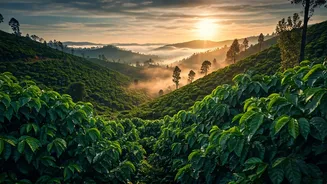
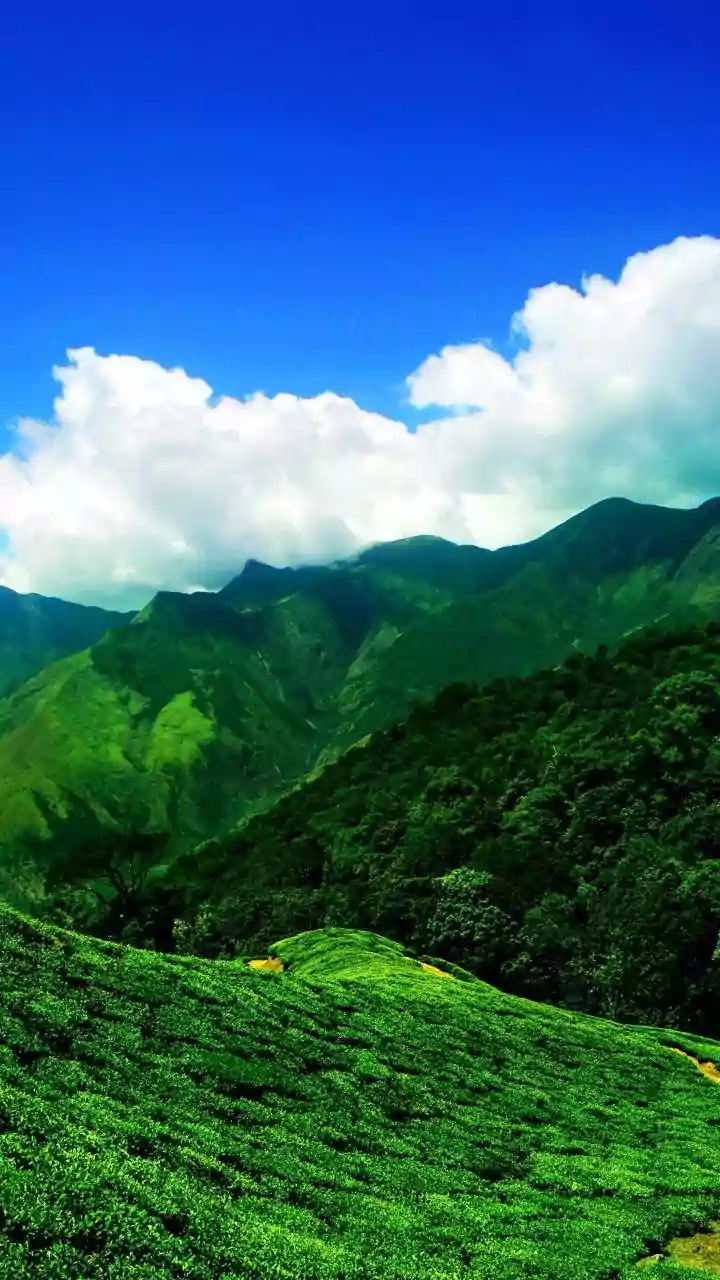
Known affectionately as the “Scotland of India” for its rolling emerald hills and persistent fog, Coorg (or Kodagu) is a trekker's paradise draped in coffee plantations. The air here is thick with the scent of coffee blossoms, cardamom, and black pepper. The premier trek is Tadiandamol, the highest peak in the district. It’s not a technical climb, but a rewarding one that takes you through dense shola forests, past gurgling streams, and onto grassy slopes that offer breathtaking, cloud-filled vistas. The experience is less about conquering a summit and more about immersing yourself in a soundscape of chirping birds and rustling leaves. The famous Kodagu mist can roll in at any moment, transforming the landscape into an ethereal, mysterious dreamscape and making every step a sensory delight.
Wayanad: Land of Paddy Fields
Just across the state border in Kerala lies Wayanad, a district whose name translates to “the land of paddy fields.” While it shares Coorg’s lushness, its landscape is a unique mosaic of rice paddies, tea estates, and dense forests. The signature trek here is Chembra Peak. The journey is famous for a heart-shaped lake en route to the summit, a natural wonder that has become an icon of the region. The trek provides panoramic views of the entire Wayanad district, showcasing the stunning interplay between cultivated land and wild nature. Beyond Chembra, Wayanad is home to the Edakkal Caves, which contain ancient petroglyphs dating back thousands of years, offering a trek that connects you not just with nature, but with deep human history.
What Makes It 'Eco' Trekking?
The “eco” in eco-trekking here isn’t just a buzzword; it’s a practice rooted in the local economy and environment. Unlike massive commercial expeditions, trekking in Coorg and Wayanad is often a low-impact affair. Trekkers typically hire local guides who possess intimate knowledge of the flora, fauna, and trails, ensuring both safety and a deeper understanding of the ecosystem. Accommodation often takes the form of homestays—family-run establishments on coffee or spice plantations. This model allows travelers to directly contribute to the local community, experience authentic hospitality, and minimize their environmental footprint. The ethos is clear: take only pictures, leave only footprints, and engage respectfully with the communities that call these hills home.
Planning Your Misty Mountain Escape
The best time to experience the misty valleys is during and just after the monsoon season, from September to December, when the landscape is at its most vibrant and green. For clearer skies and pleasant weather, the winter months from December to February are ideal. Essential gear includes sturdy, waterproof hiking boots to handle slick trails, a reliable rain jacket for sudden downpours, and insect repellent. Due to the protected nature of many trails, particularly Chembra Peak, it’s often mandatory to hire a guide and secure permits from the local forest department. This is not a hindrance but a benefit, ensuring the trails remain pristine and your experience is both safe and enriching.