







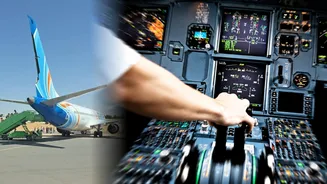
The First Moments in the Cockpit
The instant a pilot becomes incapacitated, the other pilot's training takes over. The first priority is always to 'aviate, navigate, communicate'. The remaining pilot will immediately take firm control of the aircraft, often stating "I have control" aloud
to formalize their command. They will assess the situation, ensure the aircraft is on a stable flight path, and if necessary, physically secure the incapacitated pilot to prevent any interference with the flight controls. This may involve moving their seat back and locking the shoulder harness. The goal is to create a calm, controlled environment to manage the single-pilot operation, which demands a heightened level of focus and workload management.
Declaring an Urgency or Distress
With the aircraft stabilized, the next step is to communicate with Air Traffic Control (ATC). The pilot will use specific internationally recognized phrases to declare the situation's severity. A "Pan-Pan" call, typically repeated three times, signifies an urgent situation that is not yet life-threatening, such as a pilot incapacitation where the other pilot is in full control. If the situation were immediately critical—for example, a fire or loss of all engines—a "Mayday" call would be used. The pilot will inform ATC of the nature of the emergency, their position, intentions, and the number of people on board. This declaration ensures the flight receives priority handling from controllers on the ground.
The Ground Network Springs to Life
Once ATC receives a Pan-Pan or Mayday call, a cascade of communication begins on the ground. The controller's primary role is to provide maximum assistance. They will clear airspace for the aircraft, offer navigational help, and begin coordinating with the airline's own nerve center: its operations control center (OCC), also known as a Global Operations Center (GOC). Simultaneously, ATC alerts the destination or nearest suitable airport, which in turn activates its own emergency response plan, notifying onsite medical teams, airport authorities, and aviation rescue and fire fighting (ARFF) services to be on standby. This ground response is often precautionary, ensuring all necessary resources are in place for a safe landing.
The Airline Operations Center Takes Charge
The airline's OCC becomes a crucial hub for support. Staffed by flight dispatchers, maintenance controllers, meteorologists, and crew schedulers, this team provides the pilot with critical information. They can help diagnose any technical issues, provide detailed weather reports for potential diversion airports, and calculate fuel loads for the new flight plan. If the emergency is medical, dispatchers can connect the flight crew with ground-based doctors for real-time advice. This centralized team acts as the ultimate support system, handling complex logistical problems so the pilot can focus solely on flying the aircraft safely.
Informing the Cabin Crew and Passengers
While the pilot manages the flight deck, the cabin crew plays an equally vital role. Once it is safe to do so, the pilot will inform the lead flight attendant of the situation using discreet, clear language. The cabin crew are highly trained to manage passenger welfare without causing panic. They will secure the cabin for landing, brief passengers on any necessary procedures, and if a medical professional is on board, coordinate their assistance with the flight deck and ground-based medical support. Their calm authority and adherence to procedure are essential for maintaining order and ensuring everyone is prepared for arrival.
Coordinated Final Approach and Landing
As the aircraft nears its destination, the coordination between the pilot and ground teams intensifies. ATC will guide the flight on its final approach, ensuring a clear path to a designated runway. Depending on the situation, emergency vehicles, including ambulances and fire trucks, will be positioned and waiting. The pilot, supported by the OCC and ATC, will execute the landing. Once the aircraft is safely on the ground, it is met by the emergency response teams who can provide immediate medical attention to the incapacitated pilot and assist passengers as needed. The coordination continues until the aircraft is parked and everyone is safely offboard.