






The Tale of Two Seasons
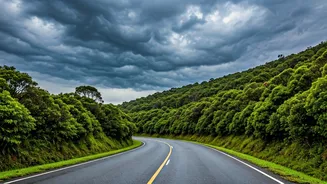
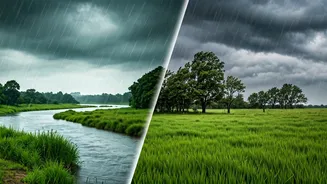
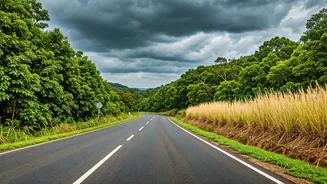
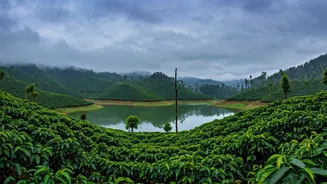
A road trip connecting Kerala and Karnataka is a study in contrasts, largely dictated by the time of year. During the dry season, from late October to May, the drive is generally straightforward. The roads are clear, visibility is excellent, and the journey
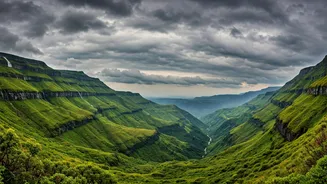
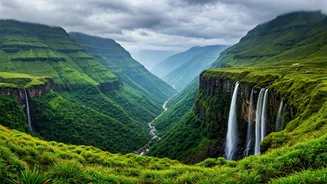
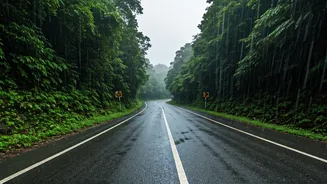
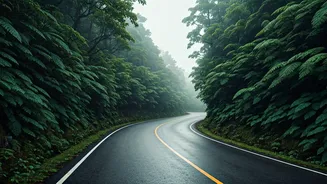
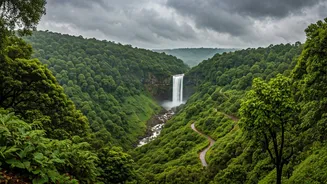
through the ghats offers stunning, sun-drenched vistas of green valleys and coffee plantations. It’s the ideal time for a leisurely drive, stopping at viewpoints and small towns along the way. Come the monsoon, however, and the entire experience is transformed. From June to September, heavy rains lash the region, breathing life into waterfalls but also bringing significant risks. The same roads that were a driver's delight become treacherous, demanding utmost caution and preparation. The lush beauty is still there, often amplified by mist and low-hanging clouds, but it comes with the price of vigilance.
Monsoon Mayhem: Key Routes and Their Risks
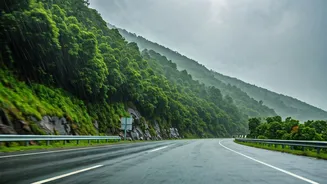
The Western Ghats are infamous for landslides during heavy rains, and several key routes connecting the two states are particularly vulnerable. The drive from Kozhikode in Kerala to Mysuru in Karnataka via Wayanad involves the Thamarassery Ghat (Churam). This pass is frequently hit by landslips, which can lead to complete road closures for hours or even days. Similarly, the primary routes from Mangaluru to Bengaluru, the Shiradi and Charmadi Ghats, are high-risk zones. The Shiradi Ghat (part of NH-75) has a history of closures due to landslides near Sakleshpur. The Charmadi Ghat, while breathtakingly scenic with numerous waterfalls emerging during the rains, is narrow, steep, and prone to fog and mudslides, making it a challenging drive. Authorities often divert traffic between these routes when one is blocked, but this can lead to long delays.
Essential Safety Tips for a Monsoon Drive
If you must travel during the monsoon, preparation is non-negotiable. Before you start, get your vehicle thoroughly checked. Pay special attention to your tyres, brakes, and wipers, as these are critical for safety on wet, slippery roads. Worn-out tyres can easily lead to hydroplaning on waterlogged patches, and faulty wipers can render visibility to near-zero in a downpour. Always check the latest weather forecasts and traffic advisories from official sources like the Karnataka State Natural Disaster Monitoring Centre (KSNDMC) or local police before and during your trip. While on the road, reduce your speed significantly and maintain a greater distance from the vehicle ahead. Avoid sudden braking or acceleration. Be extremely cautious on hairpin bends and never overtake on a blind curve. Use lower gears when driving downhill to avoid overheating your brakes. If you encounter a flooded road, do not attempt to cross if you can't gauge the depth; a seemingly harmless stream can have a surprisingly strong current.
Planning Your Journey: Alternatives and Advice
During the peak of the monsoon, it's wise to consider whether driving is the best option. If your travel is not essential, postponing it might be the safest choice. For those who need to travel, building extra time into your schedule is crucial. A journey that takes six hours in the dry season could easily take ten or more during heavy rains due to diversions and slow-moving traffic. Start your journey early in the day to avoid driving in the ghats after dark, when poor visibility and potential hazards are magnified. Pack an emergency kit containing a torch, first-aid supplies, a tow rope, and some non-perishable food and water. Mobile connectivity can be patchy in the ghat sections, so downloading offline maps of your route is a sensible precaution. Ultimately, respecting the weather and being prepared for the unexpected are the keys to a safe trip.