

Satellite Manufacturing and Systems Engineering
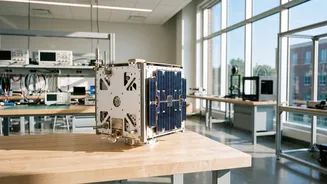
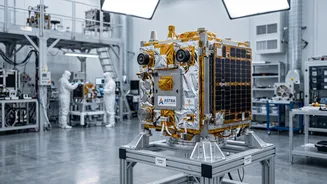
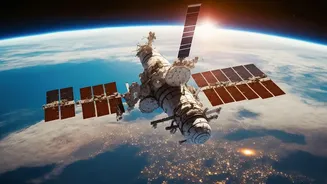
While ISRO remains the anchor of India's space efforts, a new wave of private companies is now building and launching satellites. Startups like Dhruva Space and Bellatrix Aerospace are pioneering the development of small satellites and advanced propulsion
systems, creating a surge in demand for skilled engineers. Career opportunities in this area include roles like payload engineer, systems designer, propulsion engineer, and satellite assembly specialist. Professionals are needed to design, build, test, and integrate the complex hardware that forms the backbone of communication, navigation, and Earth observation missions. This field requires a strong foundation in mechanical, electronics, or aerospace engineering, with expertise in areas like radio-frequency communications and systems engineering becoming increasingly valuable.
Satellite Data Analytics and Earth Observation
Perhaps the fastest-growing commercial segment of the space industry is not in space at all, but in interpreting the data sent back to Earth. Satellites generate enormous volumes of information, and data scientists are the ones who turn it into actionable insights. Companies like Pixxel and SatSure are using satellite imagery to provide services for a range of sectors including agriculture, climate change monitoring, urban planning, and insurance. A role as a satellite data scientist or geospatial analyst requires skills in remote sensing, Geographic Information Systems (GIS), and big data technologies. Professionals with a background in computer science, data science, or even geography are highly sought after to build algorithms, analyze imagery, and create products that solve real-world problems.
Launch Vehicle and Subsystem Development
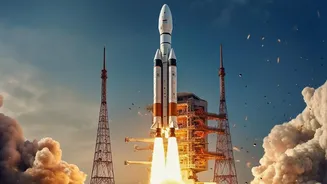
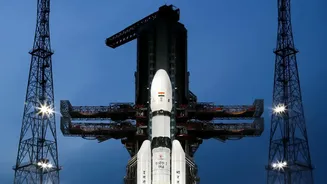
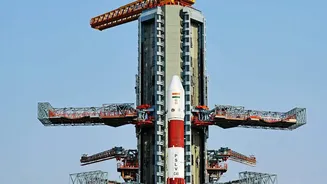
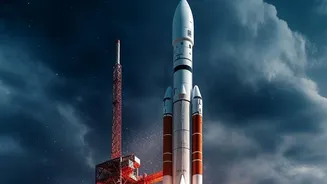
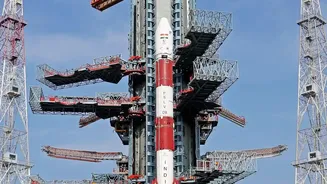
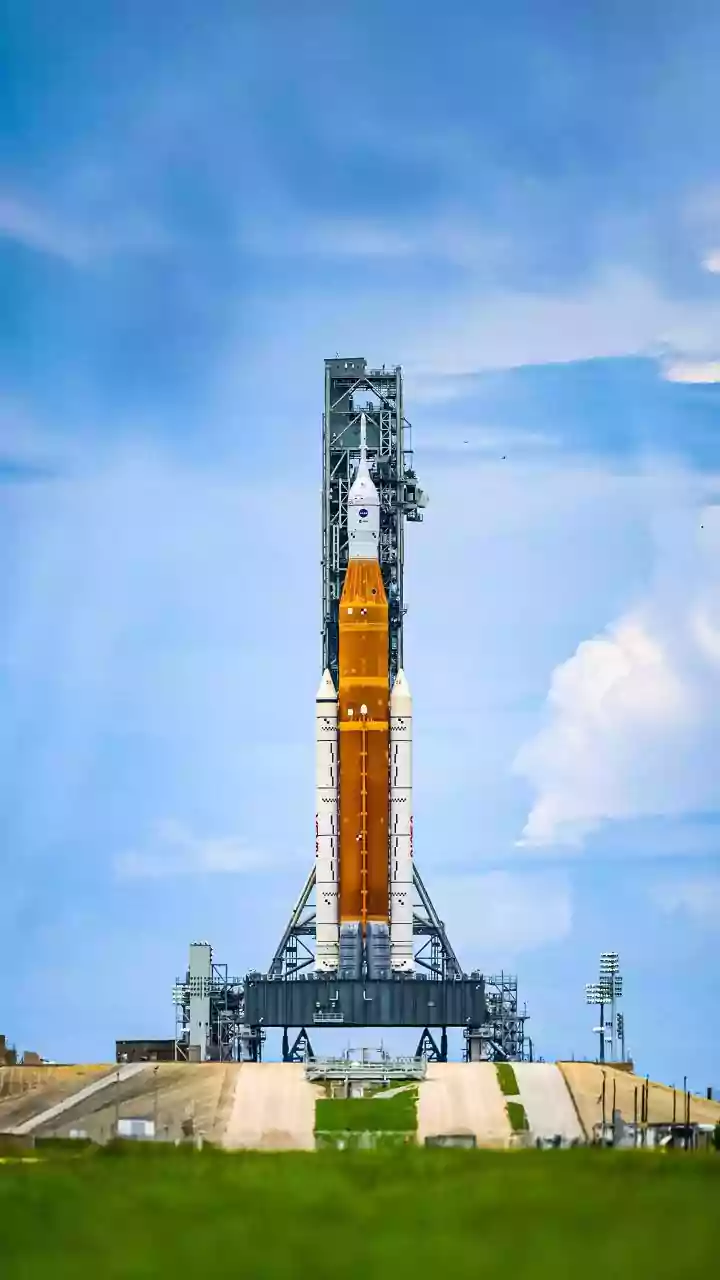
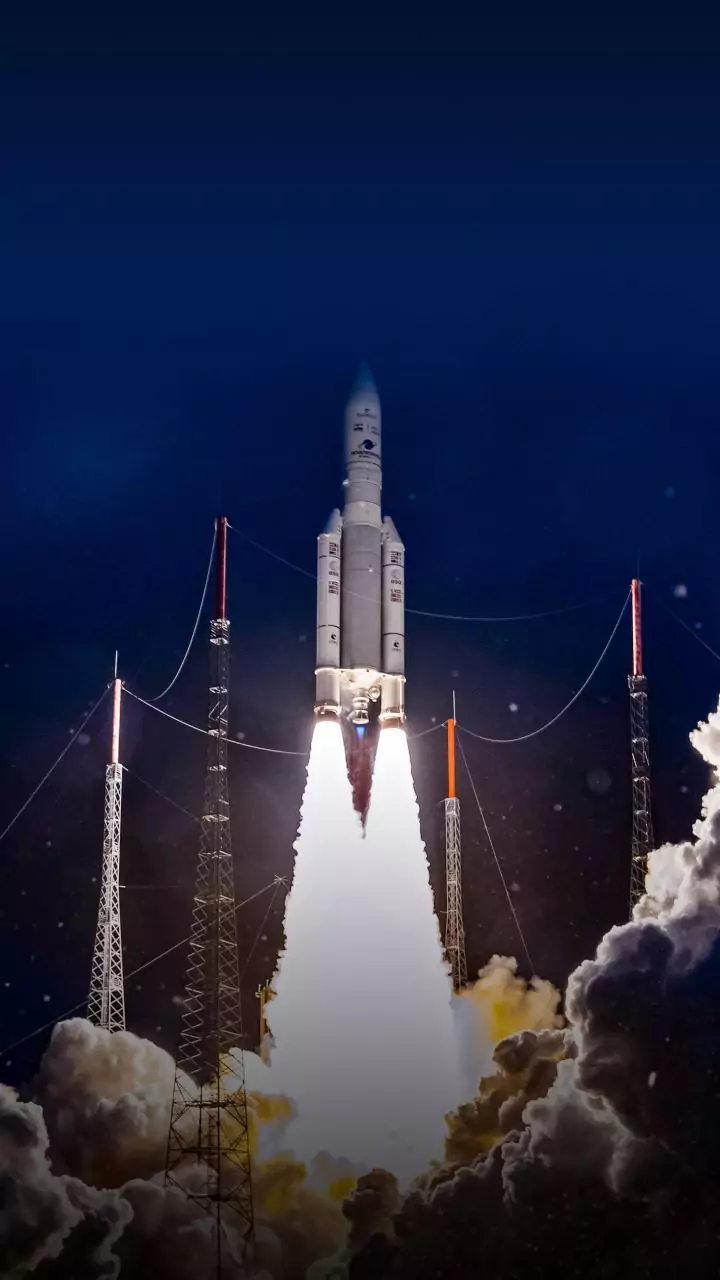
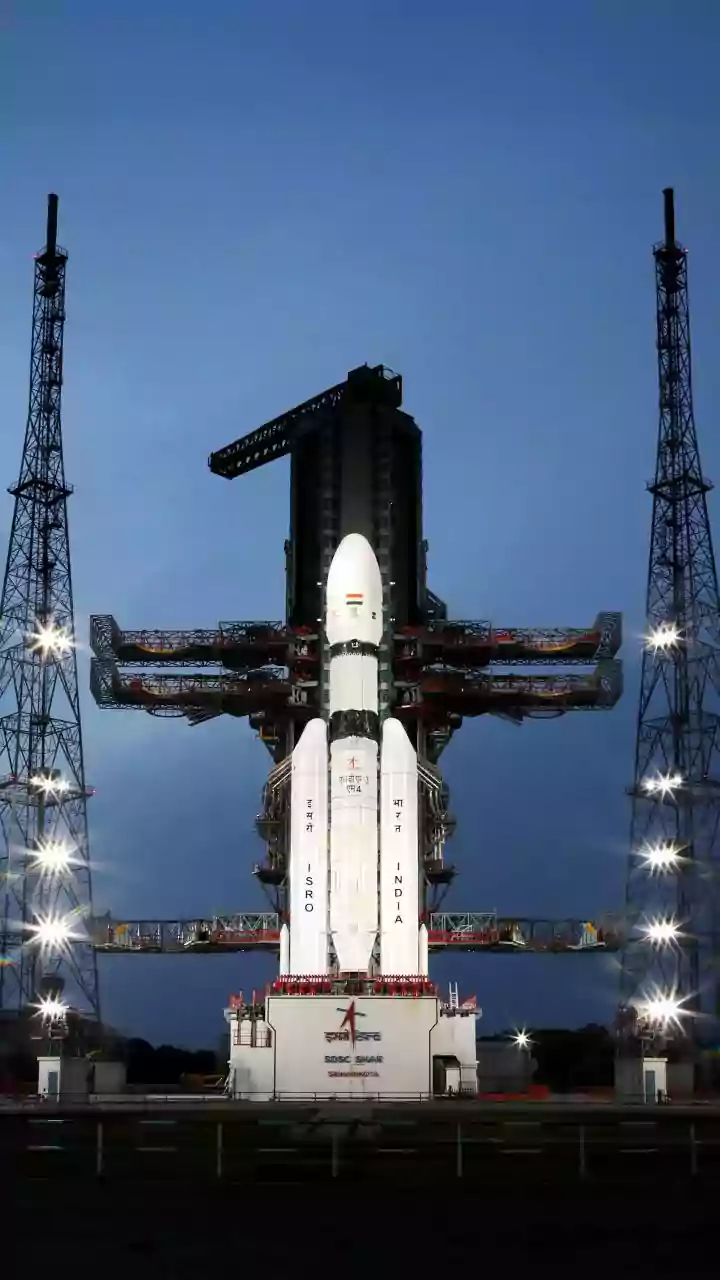
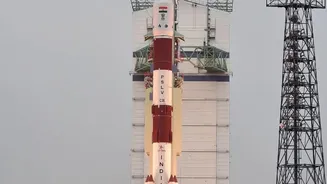
The dream of building an Indian rocket is no longer exclusive to ISRO. Private companies like Skyroot Aerospace and Agnikul Cosmos are developing their own launch vehicles, opening up a thrilling frontier for engineers. Skyroot's Vikram-S and Agnikul's 3D-printed Agnibaan rocket have demonstrated the capabilities of the private sector in this complex field. This has created a demand for new-age propulsion engineers, structural designers, avionics specialists, and experts in guidance, navigation, and control (GNC) systems. A career in this domain demands expertise in fields like fluid dynamics, materials science, and cryogenics, offering a chance to be part of the teams physically building and launching the rockets of tomorrow.
AI, Robotics, and Automation
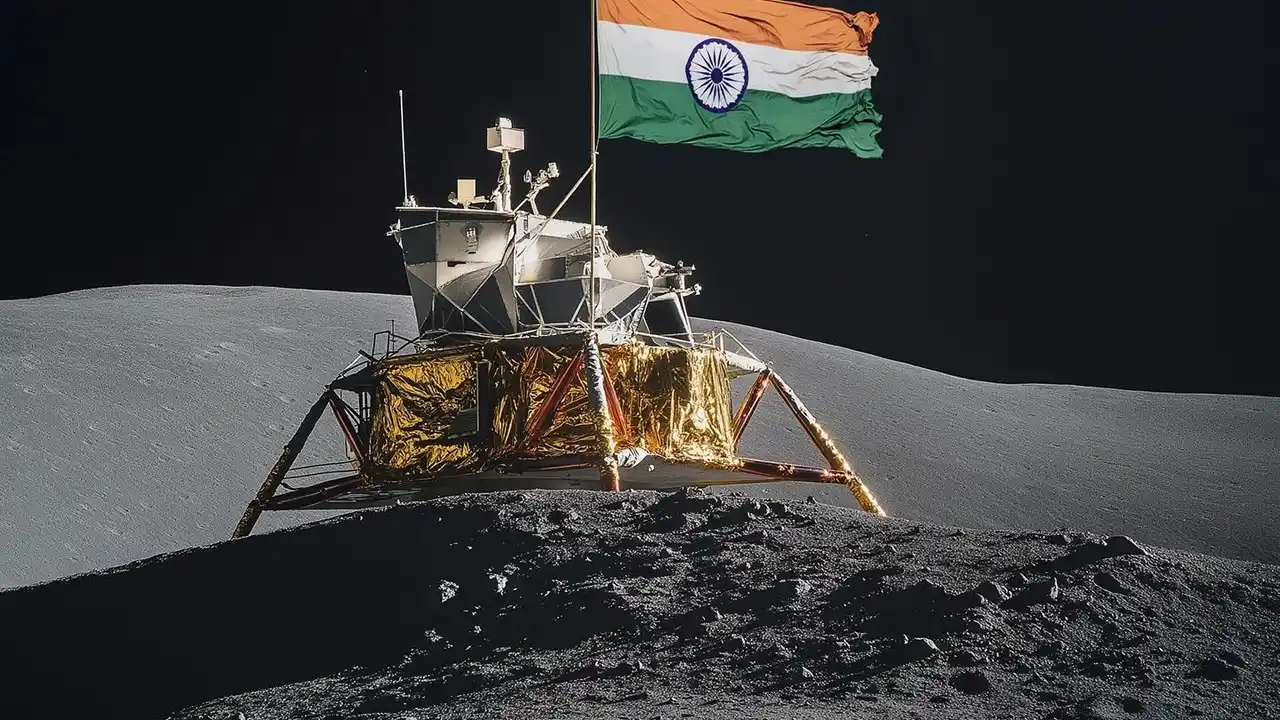
The future of space exploration is intelligent and autonomous. Artificial intelligence and robotics are crucial for everything from a spacecraft's navigation and landing systems to the automated manufacturing of rockets. The success of missions like Chandrayaan has underscored the importance of robust robotics for exploring planetary surfaces. AI specialists are needed to develop machine learning algorithms that analyze satellite imagery for patterns in weather or urban development, while robotics engineers build the machines that perform tasks too dangerous or precise for humans. A career in this area requires a strong foundation in mechatronics, AI/ML frameworks like TensorFlow, and programming languages such as C++ and Python.
Space Law, Policy, and Business
As the space sector becomes more commercialized and crowded, it is creating demand for non-technical professionals. The establishment of IN-SPACe (Indian National Space Promotion and Authorisation Centre) to facilitate private participation has highlighted the need for new legal and policy frameworks. Lawyers are needed to navigate international treaties, draft launch contracts, and advise startups on regulatory compliance. This has led to specialized courses in space law at universities. Furthermore, as private companies grow, they require business development associates, finance experts, and marketing professionals who understand the unique dynamics of the space economy. These roles are crucial for securing funding, finding customers, and building a sustainable business on the final frontier.