





A Shift from Skinny to Strong
For decades, the primary goal of exercise for many women was weight loss. Fitness was often seen as a numbers game measured in kilos lost and calories burned, with endless cardio sessions being the prescribed path. However, a significant philosophical
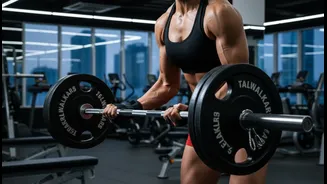
shift is underway. Today, the conversation in fitness circles is less about “how much weight did you lose?” and more about “how much are you lifting?”. This change reflects a move away from simply wanting to be thin towards a desire to be strong, capable, and resilient. Strength training offers tangible rewards that go beyond the weighing scale, such as building lean muscle, improving posture, and increasing bone density, which is crucial for women as they age.
The Power of Social Influence
The rise of strength training has been powerfully amplified by social media. Fitness influencers, including a new wave of Indian women, are proudly showcasing their lifting journeys, demystifying the process and shattering old stereotypes. Seeing relatable women deadlift, squat, and press heavy weights has normalised the idea of female strength. This visibility provides both inspiration and a practical roadmap. Pop culture also plays a role, with toned, athletic bodies becoming a new symbol of health and empowerment, encouraging women to pursue strength over pure slimness. This digital community offers support and motivation, making the weights section of the gym feel less intimidating and more inviting.
Debunking Long-Held Myths
One of the biggest barriers that previously kept women away from weights was the persistent myth that lifting would make them “bulky” or “masculine.” Thanks to accessible information and a growing number of female coaches, this misconception is finally being dismantled. Women are learning that due to hormonal differences, it is very difficult to build bulky muscle mass without a highly specific, professional bodybuilding regimen. Instead, strength training helps create a toned and leaner physique. The narrative is changing from one of fear to one of fact, where lifting is understood as a tool for empowerment, not a threat to femininity.
Fitness for a Functional Life
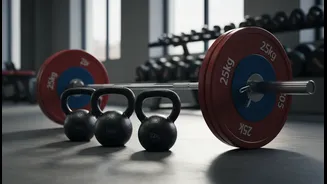
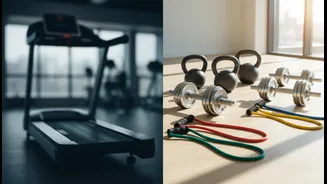
Another key driver is the appeal of functional fitness. The strength gained from lifting weights translates directly into real-world capabilities. Everyday tasks, like carrying heavy groceries, lifting a child, or moving furniture, become easier and safer. This functional strength improves overall quality of life and promotes a sense of independence. Kettlebell and barbell exercises mimic natural human movements, building a body that is not just aesthetically pleasing but also robust and less prone to injury. This focus on building a capable body for the long haul is a powerful motivator compared to the more abstract goal of burning calories on a treadmill.
Forging Community and Confidence
While jogging can be a solitary activity, strength training often fosters a strong sense of community. Group classes or even the shared space of a gym’s weight section can create bonds over shared challenges and achievements. Spotting a partner or celebrating a new personal record builds camaraderie that solo cardio sessions often lack. This supportive environment is a significant draw. Furthermore, the psychological benefits are immense. Progress in strength training is measurable and empowering. Lifting a weight that once seemed impossible builds mental fortitude and a confidence that extends far beyond the gym walls, spilling over into all aspects of life.