







From Coastal Staple to Urban Star
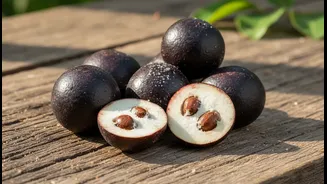
For generations, kokum played a specific, beloved role. Along the Konkan coast, its dried rind gave fish curries their signature tartness and turned coconut milk into the iconic pink digestive drink, solkadhi. It was the taste of summer holidays and home-cooked
meals in Goa, Maharashtra, and Karnataka. Outside of these regions, many knew it simply as a souring agent, a substitute for tamarind. But that’s rapidly changing. A new generation of chefs and bartenders, driven by a passion for rediscovering indigenous Indian ingredients, are looking at kokum with fresh eyes. They see its potential far beyond curry, unlocking its unique flavour profile—a mix of fruity, acidic, and subtly floral notes.
What’s Driving the Kokum Craze?
This isn't just about nostalgia; it’s a full-blown culinary movement. There's a growing pride in celebrating India's vast and diverse pantry, with chefs and consumers alike looking inward for inspiration rather than just outward towards global trends. Younger diners are increasingly curious about regional ingredients and are often discovering kokum for the first time through a creative cocktail or a beautifully plated dessert, not a traditional thali. This curiosity is matched by a wider wellness trend. Kokum is a nutritional powerhouse, packed with antioxidants and known in Ayurveda for its cooling and digestive properties. It’s a natural fit for a generation that wants food that not only tastes good but feels good too.
The New Kokum Menu: What to Order
So, what does kokum’s modern makeover look like on a menu? Forget everything you thought you knew. Bartenders are using its ruby hue and tartness to create stunning mocktails and cocktails. Think Kokum Mojitos, Gin Fizzes, and even kokum-infused rum concoctions with curry leaves and ginger. Its sour notes beautifully balance the sweetness in drinks, making for a more complex and refreshing sip. In the kitchen, chefs are experimenting with it in everything from ramen broths to ceviche. One restaurant serves a delicate seabass ceviche with a kokum-based 'leche de tigre' (tiger's milk). Others are creating kokum vinaigrettes for salads, glazes for grilled fish, and even adding it to flatbreads. Desserts aren't immune either, with kokum appearing in cheesecakes, coconut milk bars, and chocolate ganache, where its acidity cuts through the richness.
More Than Just a Pretty Flavour
Beyond its vibrant colour and taste, kokum brings serious health credentials to the table. Traditionally used to combat acidity and aid digestion, its benefits are now being framed in a modern wellness context. The fruit is rich in antioxidants like garcinol and anthocyanins, which help fight cellular damage. It also contains Hydroxycitric Acid (HCA), a compound studied for its potential role in appetite management and metabolism. With anti-inflammatory properties and benefits for heart health, kokum is far more than just a flavouring agent; it’s a functional food that delivers on both taste and well-being.