




More Than Just Lifting Heavy
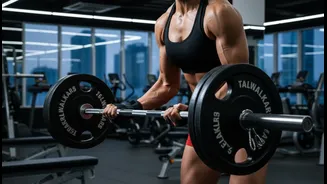
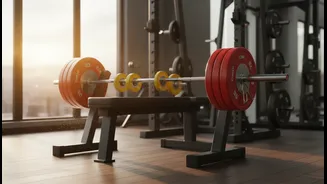
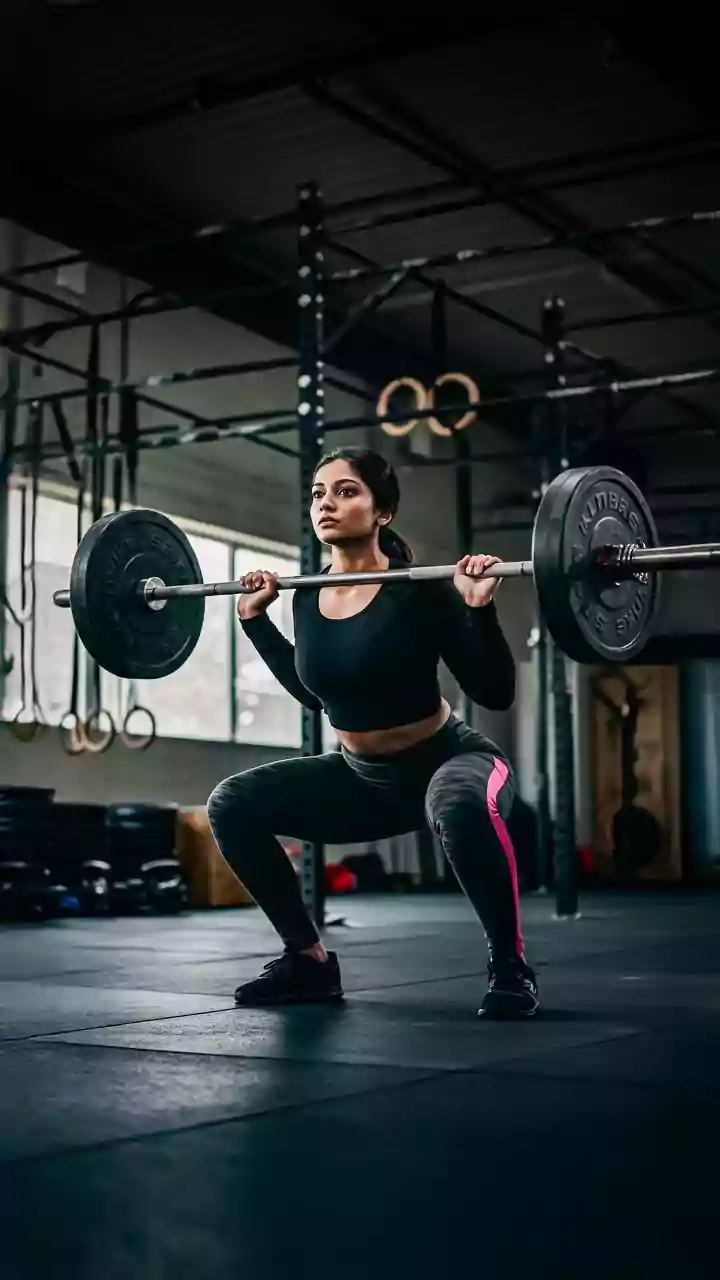
At the heart of this trend is a simple, science-backed principle called progressive overload. It’s not about ego-lifting or pushing yourself to injury. Instead, it’s the practice of gradually increasing the demands on your muscles over time. This could
mean adding a little more weight, doing one more repetition, performing an extra set, or even reducing your rest time between sets. The core idea is to consistently challenge your body just enough to prevent it from hitting a plateau, ensuring you keep making progress in strength, endurance, and muscle growth. This methodical approach has demystified strength training, turning it from an intimidating prospect into an accessible and empowering journey.
A New Definition of Fitness
For decades, the fitness narrative for Indian women was centered on subtraction: eating less to weigh less. But a significant cultural shift is underway. The new mantra is about addition—more muscle, more energy, and more capability. Post-COVID health awareness has accelerated this change, as people increasingly prioritize long-term wellness over short-term aesthetic goals. Today, the conversation in gyms and online forums is less about crash diets and more about protein intake. The goal is no longer just to be skinny, but to be strong, functional, and resilient. This represents a powerful move away from pursuing a specific body type and towards celebrating what the body can achieve.
Debunking Decades-Old Myths
The rise of weightlifting has been fueled by the debunking of persistent myths. The most common fear—that lifting heavy weights will make women “bulk up”—is being systematically dismantled. Fitness experts and influencers are widely sharing that due to hormonal differences, women naturally build lean, toned muscle rather than bulky mass when they strength train. Another myth being busted is that cardio is the only way to manage weight. Women are now learning that building muscle through progressive overload increases their resting metabolism, making it a highly effective strategy for long-term body composition and health management. The idea that lifting is 'dangerous' for women is also being challenged, with a growing understanding of its benefits for bone density, which helps prevent conditions like osteoporosis later in life.
Finding Strength in Numbers
This trend is not happening in isolation. Social media is playing a monumental role, with Indian fitness influencers sharing their lifting journeys and providing accessible guidance. Platforms like Instagram and YouTube are filled with videos that break down exercises, offer encouragement, and showcase the real, non-bulky results of strength training. This digital community provides both inspiration and a sense of solidarity. It has also spilled into the real world, with grassroots initiatives like the 'Girls Gym Club' creating supportive, women-focused lifting communities in cities like Bengaluru and Mumbai. Seeing other women lift, both online and in person, has made the practice feel achievable and aspirational for many who were previously hesitant.
The Real-World Rewards
The benefits that keep women committed to progressive overload extend far beyond physical appearance. The most frequently cited reward is a surge in confidence and self-esteem. Tracking progress—lifting a weight that once seemed impossible or mastering a new exercise—provides a tangible sense of accomplishment that spills over into other areas of life. Many women report having more energy, improved mental clarity, and a feeling of physical autonomy they may have never experienced before. Strength training is being reframed as a tool for longevity and empowerment, giving women the physical and mental fortitude to navigate their busy lives with greater resilience.