
The Small Seed with a Big Personality
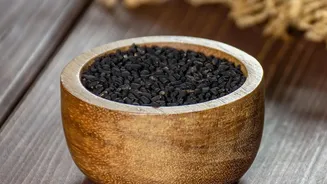
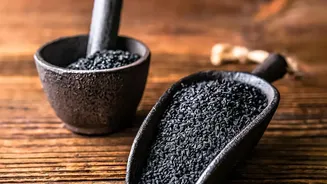
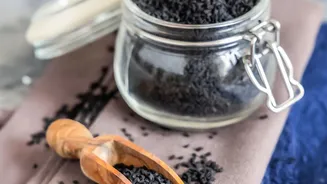
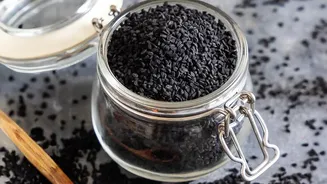
Known to most in India as 'kalonji', nigella seeds are the small, matte black, tear-drop shaped seeds of the Nigella sativa plant. Often mistakenly called onion seeds, they have a completely unique flavour profile that is much more complex. When raw,
they have a slightly sharp, bitter edge. But once they meet heat, they bloom, releasing a distinctive taste that is peppery, slightly onion-like, and wonderfully aromatic. This unique flavour is what makes them a staple in North Indian, Bengali, and Middle Eastern cooking, where they are used in everything from pickles and dals to, most famously, breads.
The Sensory Magic in Flatbread
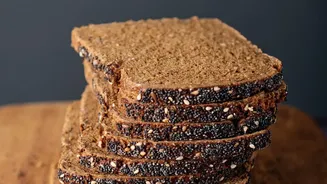
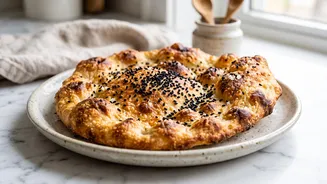
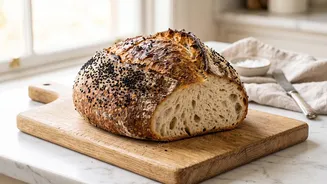
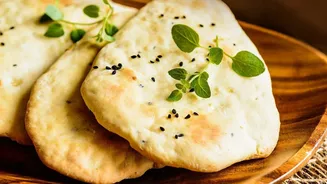
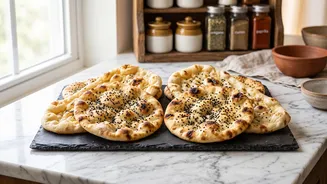
Adding kalonji to flatbread dough does more than just add flavour; it creates a multi-sensory experience. When kneaded into the dough or sprinkled on top, the seeds provide a delightful textural contrast. As the naan or kulcha cooks, the heat toasts the seeds, amplifying their nutty and peppery aroma. The result is a flatbread where every bite offers a subtle, savoury crunch and a burst of complex flavour that cuts through the richness of an accompanying curry. The visual appeal is undeniable, too—the jet-black seeds create a beautiful speckled pattern against the golden-brown crust.
Naan vs. Kulcha: A Quick Refresher
While often used interchangeably, naan and kulcha have key differences. Naan dough is typically leavened with yeast and yogurt, giving it a soft, chewy, and slightly stretchy texture. It's traditionally baked in a tandoor, which gives it a characteristic smoky char. Kulcha, a specialty of Punjab, is generally made with maida (all-purpose flour) and uses baking powder or soda as a leavening agent, along with yogurt. This results in a softer, fluffier bread with a tender, melt-in-your-mouth quality, often cooked on a tawa. Both, however, serve as a perfect canvas for the assertive flavour of kalonji.
How to Use Kalonji in Your Dough
Incorporating nigella seeds is simple, but a few tips can enhance their impact. You have two main options: kneading them directly into the dough or sprinkling them on top just before cooking. Kneading about one to two teaspoons of seeds into your flour mix ensures the flavour is evenly distributed throughout the bread. Alternatively, for a more intense aromatic hit and a more pronounced crunch, roll out your dough and then scatter the seeds over the surface, pressing them in gently with a rolling pin before cooking. This method, common for naan, toasts the seeds on the hot surface, releasing their essential oils for maximum flavour. A little goes a long way; its flavour is distinct, so start with a small amount until you find your perfect balance.
More Than Just Flavour
Beyond their culinary charm, kalonji seeds have a long history in traditional wellness practices like Ayurveda. For centuries, they have been valued for their perceived digestive and wellness-supporting properties. While modern science is still exploring these benefits, the seeds are a source of dietary fibre, healthy fats, and minerals like iron and calcium. Adding them to your cooking is an easy way to incorporate a traditional ingredient that brings both a rich heritage and a wealth of flavour to the table. They are a reminder that sometimes, the smallest additions can make the most significant difference in our everyday meals.