




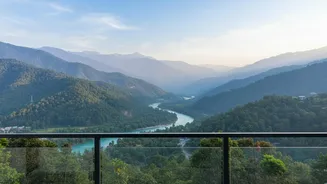
The Rise of the Work-From-Ashram Lifestyle
The image of Rishikesh is often one of serene riverside yoga, evening Ganga aartis, and wandering sadhus. For decades, it has been India’s spiritual epicentre. But in recent years, a quiet transformation has been underway. The town is now a burgeoning
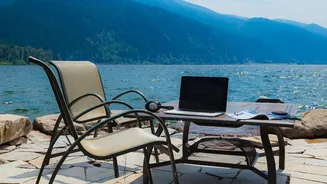
hub for remote workers and digital nomads who are trading cramped city apartments for mountain views and a healthier work-life balance. This has spurred the growth of a new accommodation model: the co-living space. These are not just rooms for rent; they are curated environments designed for productivity and community, offering a modern twist on the traditional ashram experience. They cater to a generation that needs a strong Wi-Fi signal as much as a quiet space for meditation.
What 'Under ₹20,000' Actually Gets You
The headline claim of a fully-equipped living space for under ₹20,000 a month is a powerful draw, and it holds up, with some caveats. Several hostels and homestays offer monthly 'workation' packages that fall within this budget. For this price, you can typically expect a bed in a clean, shared dormitory. Some listings for single rooms also fall within the ₹15,000 to ₹20,000 range. These packages often bundle accommodation with essential utilities, housekeeping, and that all-important internet access. Meals can sometimes be added for a weekly or monthly fee, with plans for all three meals costing around ₹3,150 per week at some establishments. While private rooms are available, they usually push the monthly cost slightly above the ₹20,000 mark, but for budget-conscious solo travellers, the value is undeniable.
High-Speed Wi-Fi: Myth or Reality?
For any digital nomad, the term 'high-speed Wi-Fi' can be a source of both hope and skepticism, especially in a mountain town. Historically, connectivity in Rishikesh was inconsistent. However, the situation has improved dramatically. Co-living spaces and workation-focused hostels now recognize that reliable internet is a non-negotiable amenity. Many explicitly advertise high-speed fibre Wi-Fi with speeds up to 150 Mbps and provide power backup to handle the area's occasional power cuts. While speeds can still fluctuate, providers like Jio and Airtel offer strong 4G coverage, making a personal hotspot a reliable secondary option. This robust infrastructure ensures that video calls, file uploads, and a full day's work can be handled with relative ease.
The 'Co-Living' Community Component
What truly separates these spaces from a standard guesthouse is the emphasis on community. Co-living is about more than just sharing a kitchen; it's about fostering connections. These spaces often feature dedicated common areas, from rooftop cafes with stunning Ganga views to quiet corners designed as shared workspaces. Many operators organize communal activities like bonfire nights, group hikes, local tours, and, of course, yoga and meditation sessions. This built-in social infrastructure is a massive advantage for solo travellers or those new to the area, providing an instant network of like-minded individuals who are also navigating the unique blend of work and wellness that defines the Rishikesh experience.
Location, Location, Serenity
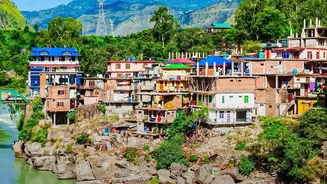
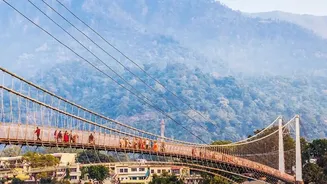
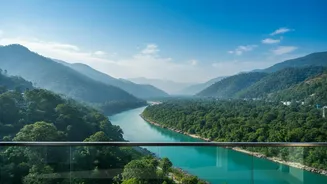
The promise of 'riverside' living is a key part of the appeal. Most of these co-living spaces and work-friendly hostels are concentrated in areas like Tapovan, near Laxman Jhula, or along the river in Shivpuri. This places residents within walking distance of the Ganges, bustling cafes, yoga schools, and the main attractions of Rishikesh. Yet, many are situated just far enough from the main roads to offer a peaceful retreat from the city's noise. The ability to finish a work project and then immediately take a serene walk along the river or attend a Ganga aarti ceremony is a unique lifestyle benefit that few other digital nomad destinations can offer so affordably.