



An Escape from the Everyday
The primary driver behind this trend is a powerful desire for experiences over simple sightseeing. Young professionals and students are increasingly looking for a real disconnect from their hyper-connected urban lives. Winter treks offer a unique form
of escape. Unlike a typical vacation, a snow trek demands physical and mental presence. The serene, often silent, landscapes provide a stark contrast to noisy city life, offering a chance for genuine reflection and a digital detox. Many find the solitude of the mountains, with fewer crowds than in the summer, to be a major draw. This search for tranquillity and a meaningful challenge is redefining what a holiday means for a new generation.
The Allure of a White Wonderland
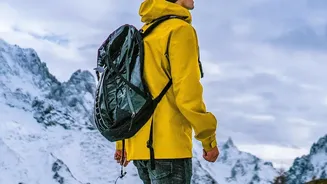
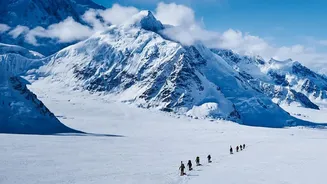
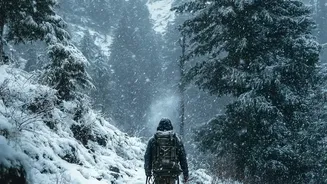
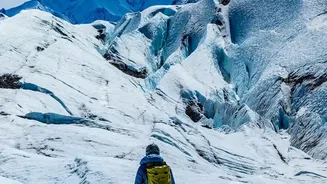
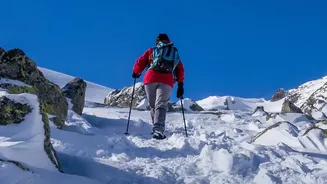
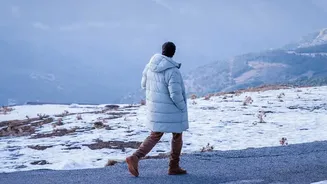
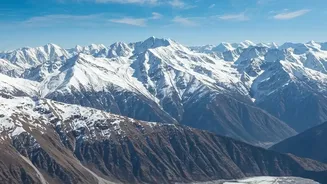
There is an undeniable magic to a landscape blanketed in fresh snow. For many living in India's plains and cities, snow is a novelty, an almost mythical element seen mostly in films. Winter treks make this dream accessible. The ethereal beauty of frozen alpine lakes, snow-laden pine forests, and panoramic views of majestic peaks is a powerful pull. Treks like Kedarkantha, Dayara Bugyal, and Brahmatal in Uttarakhand have become immensely popular because they offer these picture-perfect snowy vistas within a relatively manageable timeframe and difficulty level. The experience of walking on fresh powder under a crisp blue sky is an adventure that stays with trekkers long after they descend.
The Challenge and the Reward
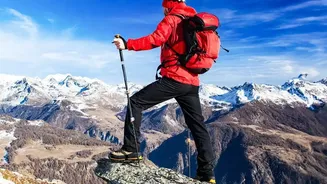
Winter trekking is not easy. It involves navigating icy patches, braving cold temperatures, and pushing physical limits. And that is precisely a big part of the appeal. There's a profound sense of accomplishment in successfully summiting a peak or completing a trail in harsh conditions. This controlled adventure provides a significant boost to self-confidence. Moreover, hiking in the cold is a fantastic physical workout, with studies showing that the body burns significantly more calories to stay warm and navigate the snowy terrain. For a generation focused on wellness and personal growth, the combination of physical exertion and mental fortitude required for a winter trek is a compelling proposition.
Community, Accessibility and Social Currency
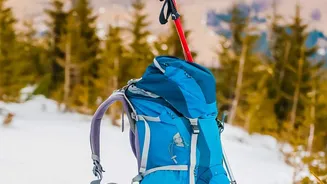
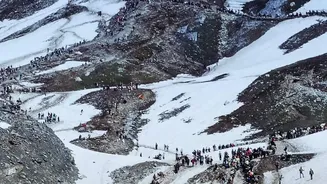
You don't have to be a seasoned mountaineer to go on a winter trek. The rise of professional trekking companies has made these expeditions safe and accessible for beginners. They provide experienced guides, necessary equipment like crampons and gaiters, and handle all the logistics, from food to lodging. This has opened up the world of high-altitude trekking to a much wider audience. These organized groups also foster a strong sense of community. Many young people, including solo travellers, join these treks and forge strong bonds with fellow hikers. And, of course, there's the social media factor. A stunning photo from a snowy summit is not just a memory; it's a badge of honour, signalling a life rich with adventure and unique experiences.