



The Most Expensive Object Ever Built
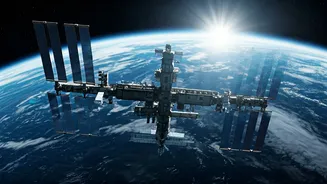
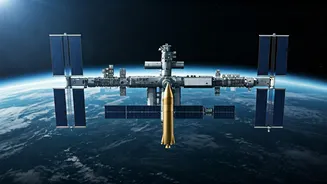
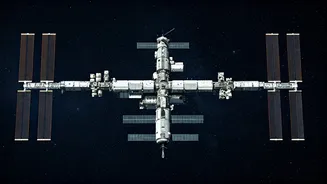
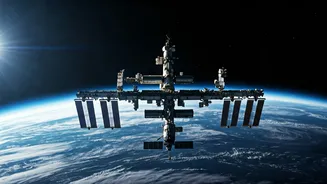
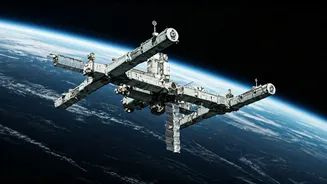
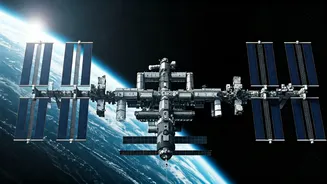
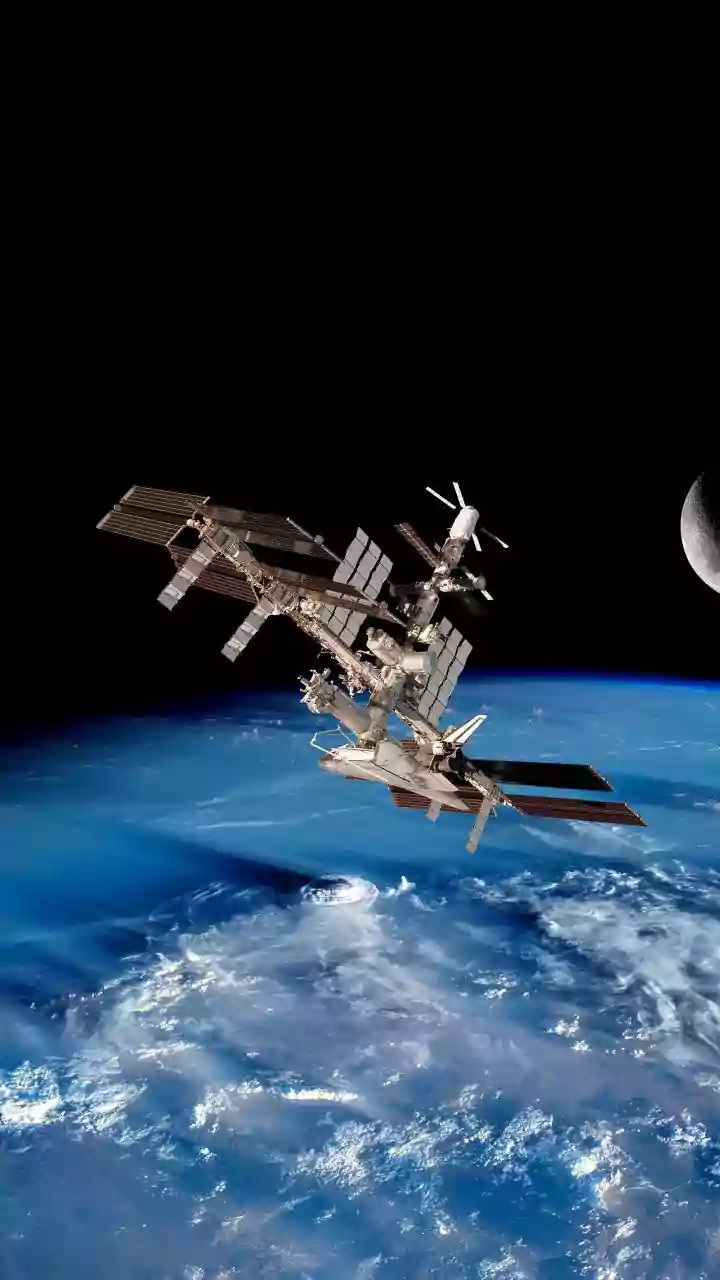
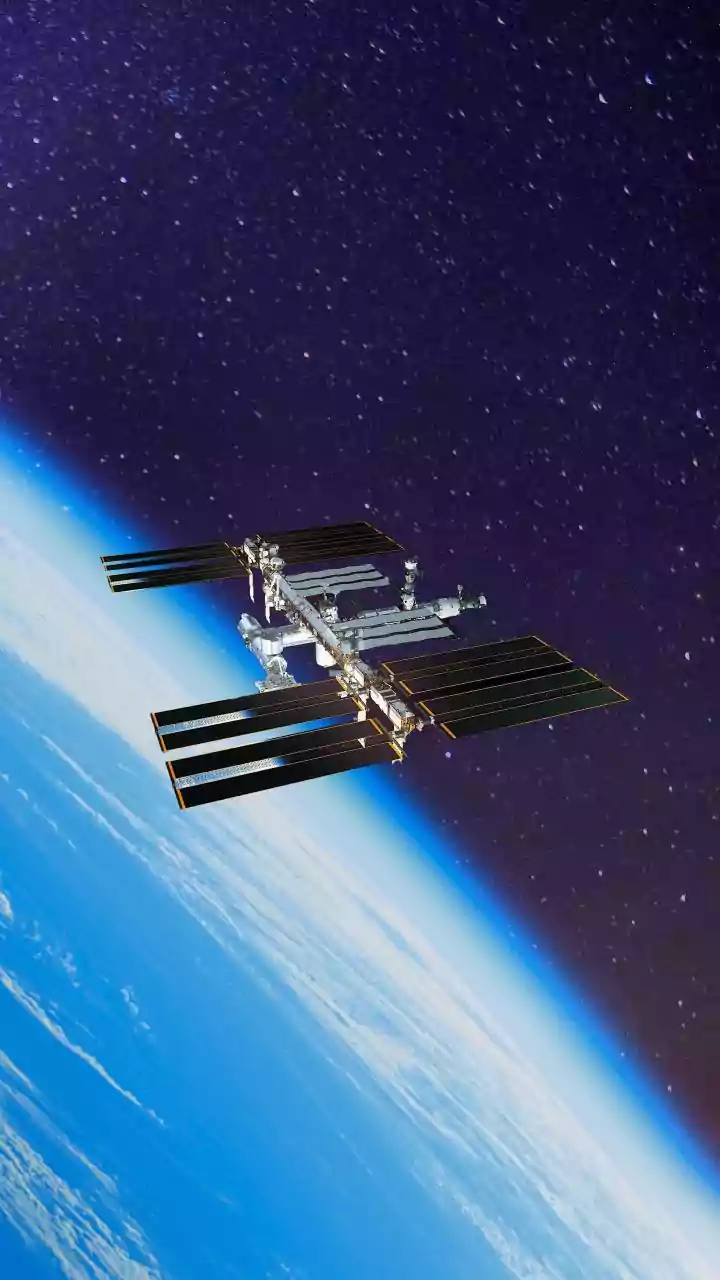
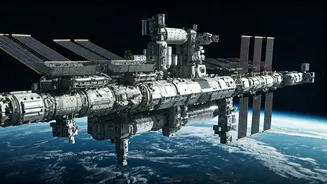
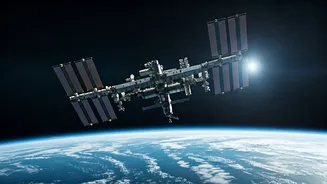
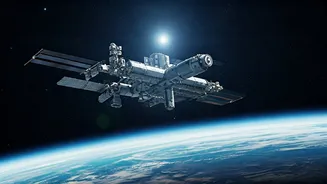
The single most mind-blowing financial fact about the International Space Station (ISS) is its total cost, making it the most expensive object ever constructed by humanity. Estimates place the cumulative cost of developing, assembling, and operating the station
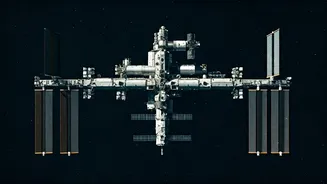
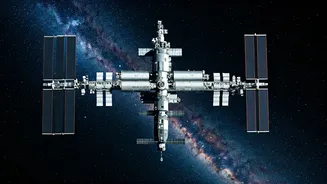
at over $150 billion. This figure, acknowledged by sources like NASA and the European Space Agency (ESA), surpasses any other single project, from massive particle colliders to the world's tallest skyscrapers. To put that number in perspective, it represents a global investment unlike any other. The initial construction alone involved more than 30 missions to assemble the station piece by piece in orbit, like a zero-gravity LEGO set the size of a football field. This unprecedented cost is the result of a multi-decade international collaboration, a complex supply chain, and the sheer challenge of building and maintaining a habitable outpost in the vacuum of space.
Breaking Down the Bill
The massive $150 billion price tag is just the beginning. The cost to simply keep the lights on and the life support running is equally staggering. NASA alone spends between $3 billion and $4 billion annually on the ISS, which accounts for roughly one-third of its entire human spaceflight budget. This ongoing operational cost covers everything from astronaut support and scientific research to the constant stream of cargo missions required to deliver food, water, and equipment. Think about the logistics: every single item, from a piece of scientific equipment to a tortilla for an astronaut's lunch, must be packaged, launched on a rocket, and docked with a station moving at 17,500 miles per hour. These transportation costs make up a significant portion of the yearly budget. This translates to a daily operating cost running into the millions, making the ISS a permanent, high-stakes financial commitment.
An International Partnership Pays the Price
No single nation could have shouldered this financial burden alone. The ISS is a joint project between five major space agencies: NASA (United States), Roscosmos (Russia), ESA (Europe), JAXA (Japan), and the CSA (Canada). This partnership involves contributions from 15 different countries. The financial agreements are complex; in essence, each partner retains ownership of the modules and hardware they contribute. The United States has been the largest financial contributor by a significant margin. For its part, Europe's share of around €8 billion over the life of the program works out to be about one euro per European citizen each year—a surprisingly small individual contribution for such a monumental achievement. This collaborative funding model is not just a financial necessity but also a triumph of international diplomacy, turning Cold War rivals into orbital roommates.
The Priceless Return on Investment
With such a colossal bill, it's fair to ask: is it worth it? The answer isn't found on a balance sheet. The ISS has been continuously occupied since November 2000, serving as a unique laboratory for more than two decades. Onboard, astronauts have conducted hundreds of experiments in fields like human biology, materials science, and Earth observation that are impossible to replicate on the ground. This research is crucial for future long-duration space missions, including trips to the Moon and Mars. Furthermore, the station is a powerful symbol of global cooperation. It has proven that multiple nations can work together on a complex, long-term scientific endeavor. While the financial cost is astronomical, the scientific discoveries and the demonstration of peaceful international partnership provide a value that many argue is, quite simply, priceless.