



Choose Your Champion Fabric
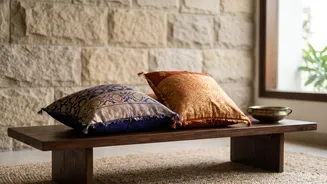
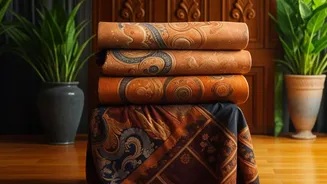
Before you begin, inspect your old sarees and drapes. The best candidates are fabrics that are still strong and not overly frayed. Cottons, silks, and sturdy synthetic blends work beautifully. For sarees, the most visually striking parts are often the 'pallu'
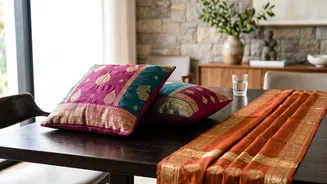
(the decorative end piece) and the borders. These sections typically feature intricate weaving, embroidery, or prints that can become the centrepiece of your cushion. For old drapes, thicker, upholstery-grade material is perfect for a durable finish, while lighter, sheer fabrics can be layered for a delicate effect. Always wash and iron the fabric before cutting to ensure it is clean and easy to work with.
The Classic Sewn Cushion Cover
For a traditional and long-lasting cover, sewing is the best method. Start by measuring your cushion insert and add one inch to both the length and width for seam allowance. Cut two identical squares or rectangles from your chosen fabric. If using a delicate saree, it's wise to add a plain, sturdy lining fabric to the back for durability. Place the two fabric pieces with their right sides facing each other. If you're using a saree border, position it thoughtfully on what will be the front piece. Sew around three and a half sides of the fabric, leaving enough of an opening to insert the cushion. Trim the corners, turn the cover right side out, push out the corners for a crisp shape, insert your cushion, and then neatly hand-stitch the opening closed.
The Effortless No-Sew Wrap
Not a fan of sewing? No problem. The no-sew wrap method is incredibly simple and effective, especially for decorative cushions. Lay your fabric flat, place the cushion in the centre, and wrap it like a present. For a square cushion, bring the top and bottom flaps to the middle, overlapping them. Then, fold the side flaps neatly and tie them together in a tight, decorative knot at the back. This technique works especially well with softer fabrics like old dupattas or lightweight sarees that have beautiful tassels or ends. Alternatively, you can secure the folded fabric on the back with safety pins or iron-on fusible webbing for a cleaner, more permanent finish without a single stitch.
Get Creative with Embellishments
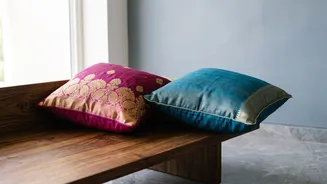
To elevate your cushion covers from simple to festive, add some embellishments. This is where your creativity can truly shine. You can stitch on beads, sequins, or small mirrors to catch the light and add a touch of glamour. Tassels, pom-poms, or a contrasting fabric trim sewn onto the edges can provide a professional and playful finish. If you have multiple sarees or fabric scraps, consider creating a patchwork design. Cut same-sized squares from different fabrics and stitch them together to form a vibrant, textured front panel that tells a story of colours and patterns. This is an excellent way to use even the smallest pieces of beloved old textiles.
The Envelope Closure Hack
An envelope-style cover is another sewing project that is perfect for beginners and makes removing the cushion for washing incredibly easy. For this, you will cut one piece of fabric for the front, matching the size of your cushion (plus seam allowance). For the back, cut two pieces of fabric that are the same width as the front but only about two-thirds of the height. Hem one long edge of each of the back pieces. Then, lay the front piece right side up. Place the two back pieces on top, right sides down, with their hemmed edges overlapping in the middle. Pin everything in place and sew around all four sides. Turn it right side out, and you have a finished cover with a neat opening at the back.