

From Leftover to Luxury
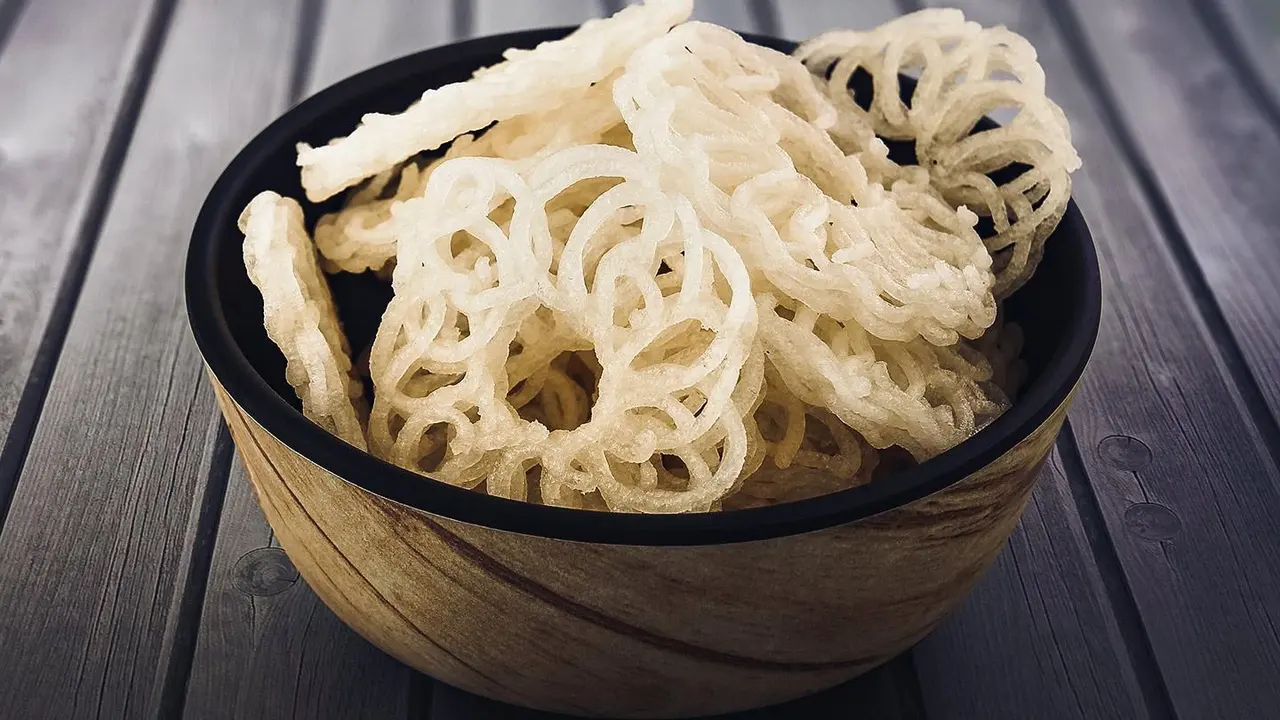
The concept of crispy rice is simple yet brilliant: taking cooked rice and transforming it into a golden, crunchy texture through frying or baking. It's a culinary trick that turns a mundane leftover into a crave-worthy component with a delightful textural
contrast—crisp on the outside, with a slight chew on the inside. While it might seem like a recent social media trend, the practice is rooted in culinary traditions from around the world. In Persian cuisine, it's known as Tahdig, the prized golden crust at the bottom of the rice pot. In Korea, it's called nurungji, a beloved snack that can be eaten on its own or used to make a comforting scorched rice tea. These traditions celebrate what was once an accidental byproduct of cooking rice on a stove, intentionally creating that crunchy layer for its nutty, toasted flavor.
Why Crispy Grains Are a Game-Changer
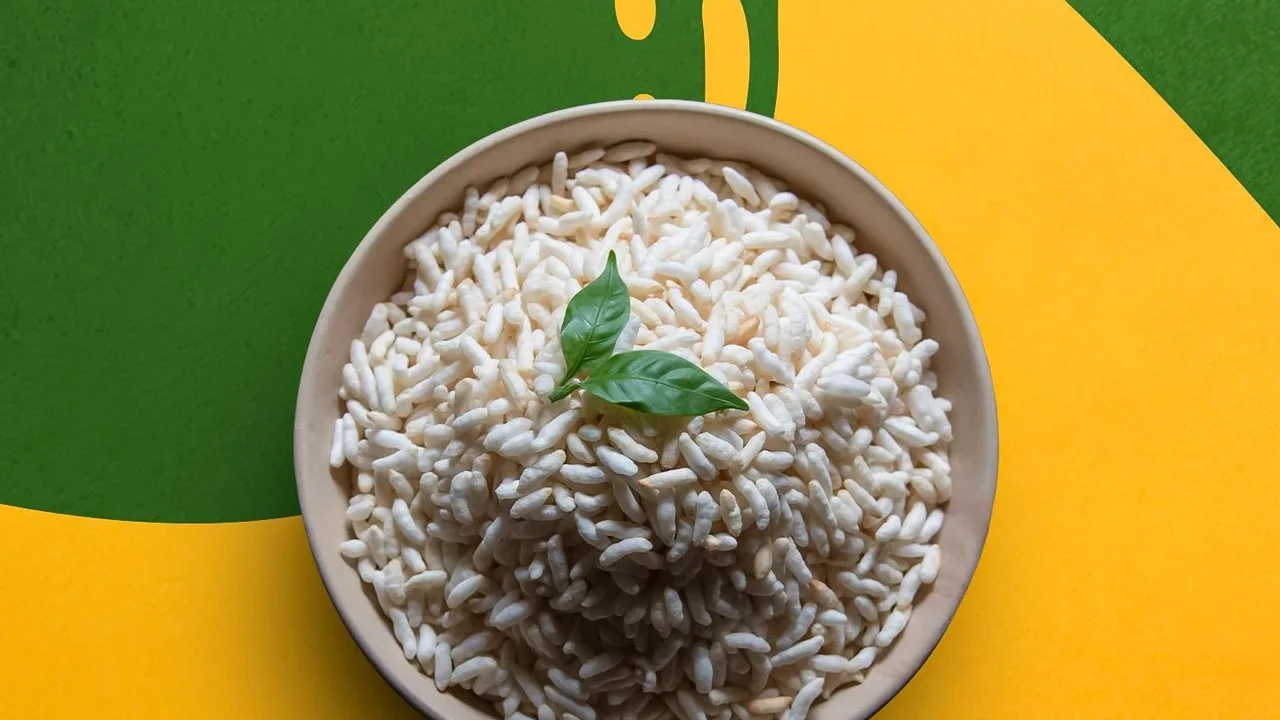
The primary appeal of making crispy rice is its powerful ability to combat food waste. It provides a delicious and creative purpose for day-old rice, which is actually preferable for achieving the best texture. Freshly cooked rice contains too much moisture and will steam rather than crisp. Beyond its practicality, this technique adds a gourmet touch to simple, homemade meals. It introduces a satisfying crunch that can elevate everything from salads to soups. The method isn't just for rice, either. Other cooked grains like quinoa, farro, and barley can also be crisped up using similar techniques, offering a new way to enjoy their nutty flavors and add texture to your dishes.
The Easiest Method: Sheet Pan Crisping
One of the most accessible ways to make crispy rice requires just a baking sheet and an oven. Start by preheating your oven to around 200°C (400°F). Take your cold, leftover rice and toss it gently in a bowl with a bit of neutral oil, like grapeseed or vegetable oil, and your choice of seasonings. Soy sauce or tamari for umami, sesame oil for nuttiness, or chili crisp for a bit of heat are all popular choices. Spread the seasoned rice in a thin, even layer on a parchment-lined baking sheet. It's crucial not to overcrowd the pan, as this will cause the rice to steam instead of crisp. Bake for 15-20 minutes, tossing the rice halfway through, until it’s golden brown and crunchy. The rice will continue to crisp up as it cools, so don't be afraid to pull it from the oven when it looks lightly golden.
Alternative Method: Pan-Fried Cakes
For a different style, you can create small, compact rice cakes perfect for topping. To do this, press your cold leftover rice firmly into a shallow, lined pan or dish. You can season it before pressing, perhaps with a little rice vinegar and salt. Refrigerate this for at least an hour, or ideally overnight, to allow the rice to become firm and solid. Once chilled, turn the block of rice out onto a cutting board and slice it into squares or rectangles. Heat a neutral oil in a skillet over medium-high heat and fry the rice cakes for a few minutes on each side until they are deeply golden and crisp. This method creates a wonderful base for toppings like spicy tuna, avocado, or crumbled paneer.
How to Serve Your Crispy Creation
Once you have a batch of crispy rice, the possibilities are nearly endless. Use it as a crunchy topping for a salad or a grain bowl to add texture and flavor. Serve the pan-fried cakes as an appetiser, topped with spicy salmon, mashed avocado with lime, or a dollop of chili crisp. You can also crumble the oven-baked crispy rice into soups just before serving, similar to how you’d use croutons. It can even form the base of a deconstructed dish, providing the crunchy foundation for anything from a stir-fry to a curry. The goal is to play with texture, adding a satisfying crunch where you least expect it.