
September 6 & 8: A Pre-Dawn Dance with Mars and Jupiter
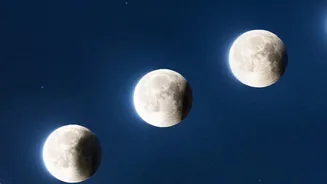
Set your alarm for the early hours of September 6 and 8 to witness a beautiful planetary alignment. Before sunrise, the waning crescent Moon will create a striking visual as it passes near two bright planets. On the morning of September 6, look to the east
to see the Moon near reddish Mars. Two days later, on September 8, the Moon will appear even closer to the exceptionally bright Jupiter. Jupiter will be the most prominent of the two planets, shining brilliantly in the pre-dawn sky, making this a fantastic photo opportunity for early risers.
September 9: The Epsilon Perseid Meteor Shower
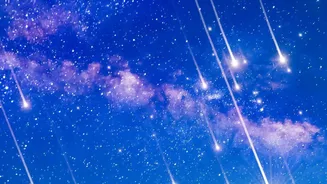
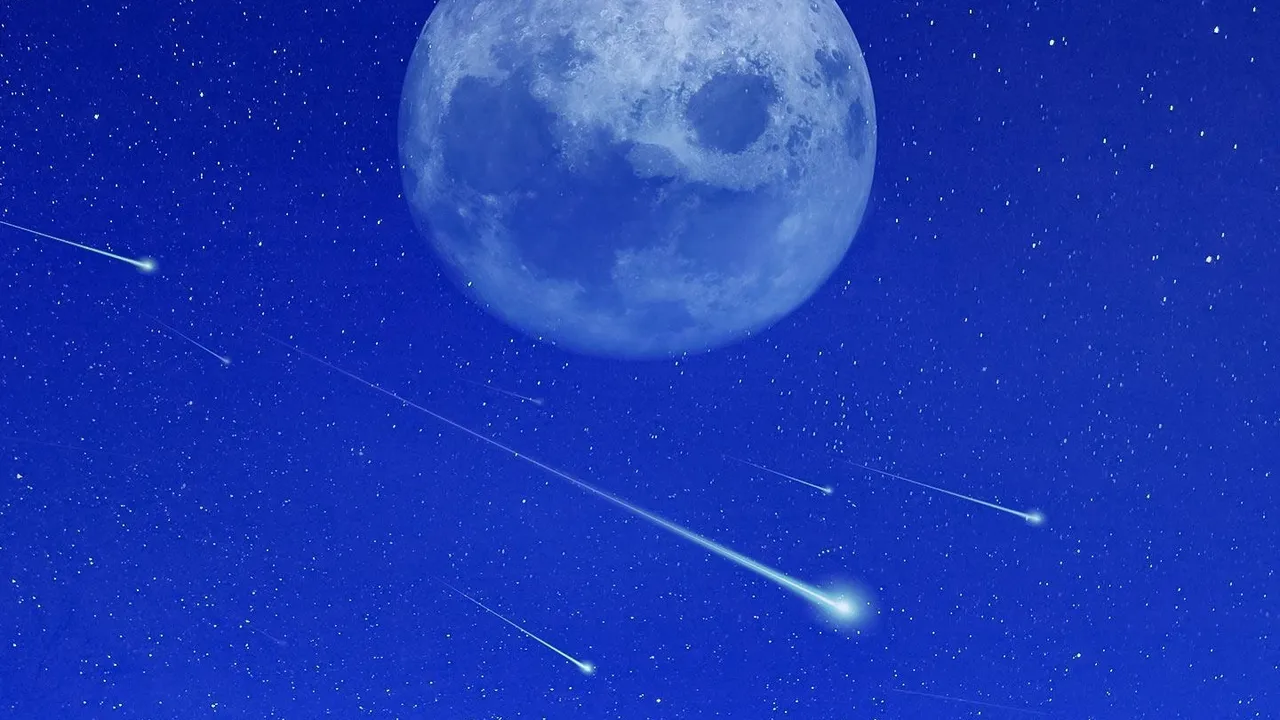
While not as famous as its August counterpart, the September Epsilon Perseid meteor shower offers a chance to see some shooting stars under ideal conditions. Peaking on the night of September 9, this shower produces a modest rate of about five to eight meteors per hour. The key advantage in 2026 is that the peak occurs just before the New Moon, meaning the sky will be exceptionally dark without any moonlight to wash out the faint meteors. For the best views, find a location away from city lights, allow your eyes to adjust, and look toward the constellation Perseus in the northeast.
September 11-12: The New Moon and Deep-Sky Treasures
The New Moon on September 11 marks the darkest nights of the month, creating the perfect window for hunting deep-sky objects. With no moonlight to interfere, galaxies and nebulae become easier to spot. This is an excellent time to look for the Andromeda Galaxy, our closest major galactic neighbor. It will be well-placed in the sky, appearing as a faint, fuzzy patch of light to the naked eye in a dark location. Binoculars or a small telescope will reveal more of its structure. These dark nights also offer one of the last chances of the year to see the core of the Milky Way in the Northern Hemisphere.
September 18: Venus Shines at Its Brightest
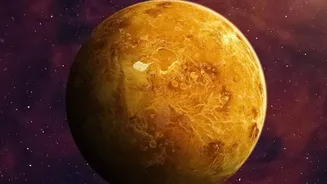
Venus will be an unmissable beacon in the western evening sky all month, but it reaches its peak brilliance on September 18. Shining at its brightest for the year, it will be more luminous than any other star or planet in the sky. You won't need any special equipment; just look toward the west shortly after sunset. On September 14, the waxing crescent Moon will pass very close to Venus, creating a particularly beautiful pairing in the twilight.
September 22: The Autumnal Equinox
On September 22, the autumnal equinox marks the official start of autumn in the Northern Hemisphere. This is the point in Earth's orbit when the Sun shines directly on the equator, and day and night are of approximately equal length across the globe. While not a visual stargazing event itself, the equinox is a significant seasonal milestone. For those in northern latitudes, it signals the coming of longer nights and increased chances of spotting the aurora borealis, as geomagnetic activity often picks up around the equinoxes.
September 26: The Full Harvest Moon and Neptune at Opposition
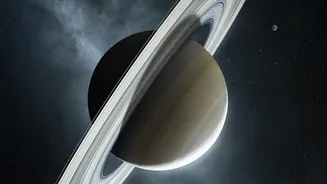
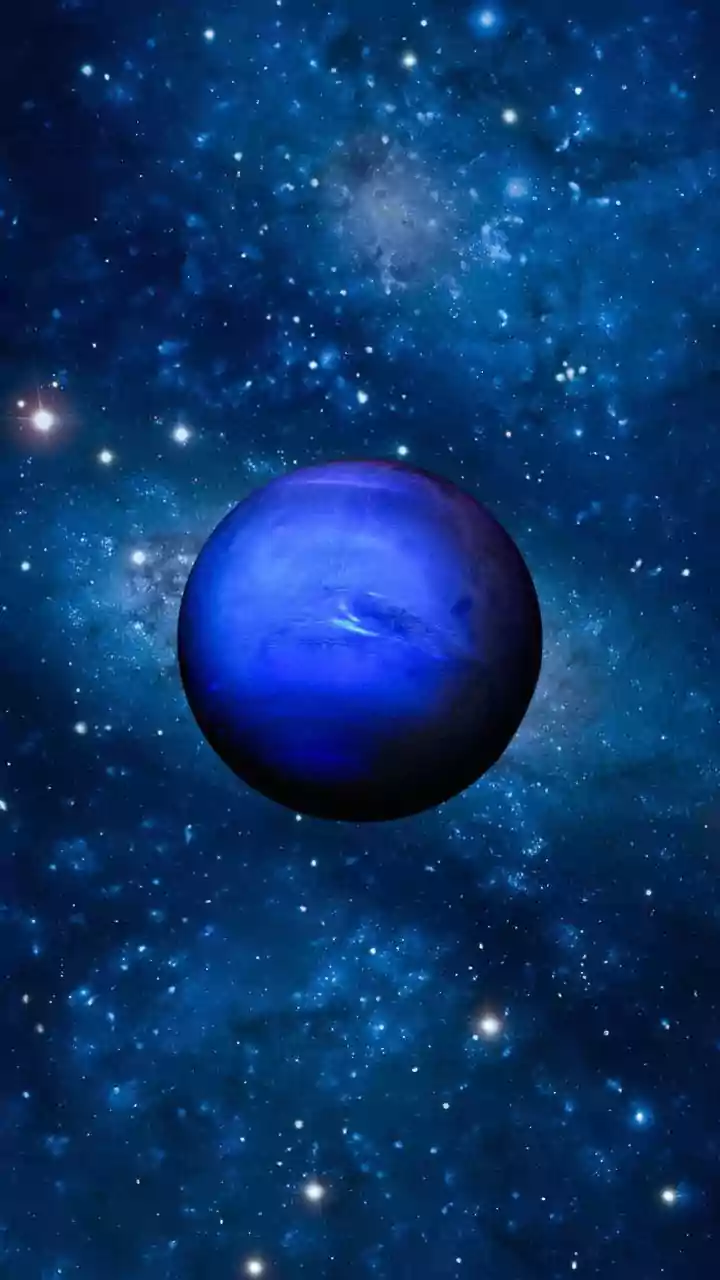
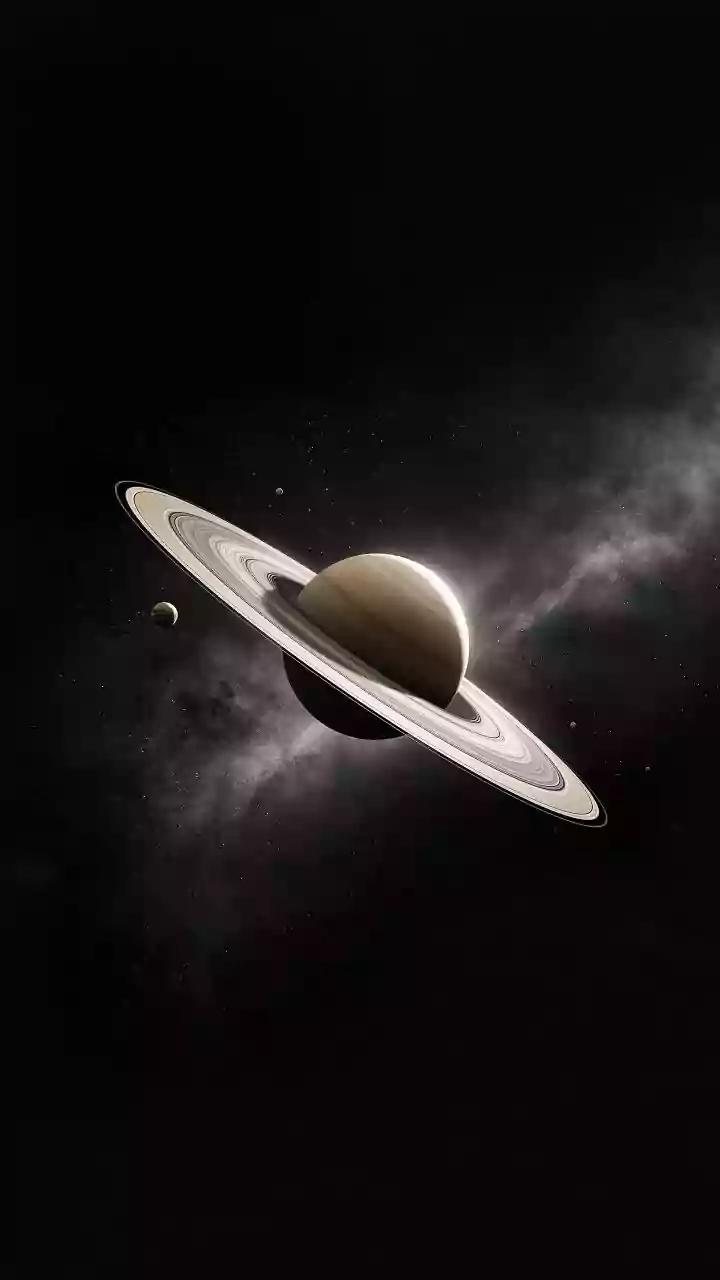
September's grand finale is the rise of the Full Harvest Moon on the evening of the 26th. This is the full moon closest to the autumnal equinox, and it traditionally provided farmers with extra light to bring in their crops. Look for it to rise around sunset, appearing large and golden on the horizon. As a bonus, the planet Saturn will be shining nearby, accompanying the Moon throughout the night. The same night, distant Neptune reaches opposition, its closest point to Earth for the year. While Neptune is too faint to see with the naked eye, you can spot its tiny, blue-hued disk with a telescope in the constellation Pisces.