




The Pre-Monsoon Advantage
Typically, travel to Rajasthan is a tale of two seasons: the packed, pleasant winter, and the scorching summer followed by a wet, and sometimes inaccessible, monsoon. The period just before the rains is often considered the off-season. However, a delay
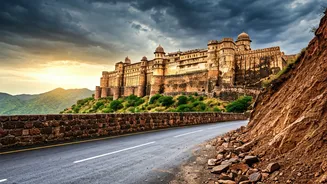
in the monsoon's arrival, as is being experienced this year, extends a unique shoulder season. Reports from July 2 confirm the monsoon has only just begun to enter eastern parts of the state, about a week behind its usual schedule. This delay presents a golden window for travellers. The primary benefits are tangible: fewer people and lower prices. With the peak tourist rush long gone, you can explore iconic sites like Jaipur’s Amber Fort or Udaipur’s City Palace without the usual crowds. This translates to a more personal and unhurried experience. Hotels and airlines, eager for business in the quieter months, often roll out significant discounts, making even luxury stays more accessible.
Where to Go and What to Expect
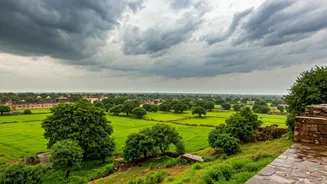
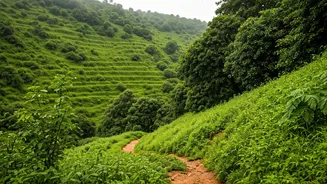
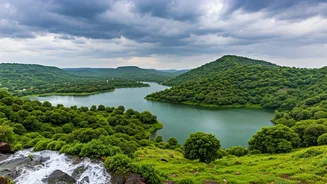
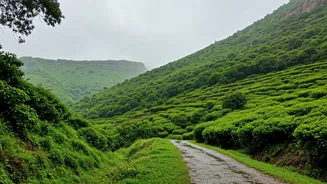
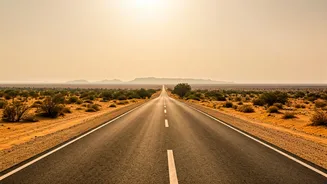
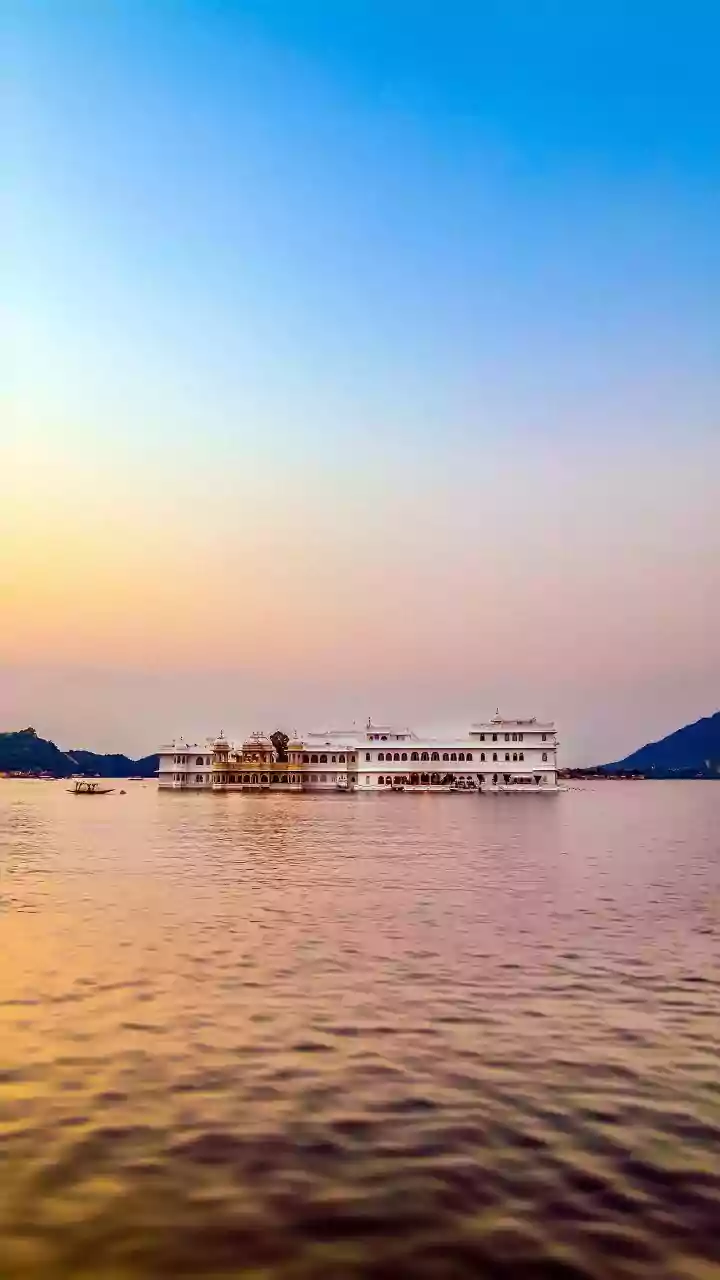
With the landscape still awaiting its annual green transformation, the aesthetic is one of stark, sun-drenched beauty. This period is particularly rewarding in cities that can feel overwhelming during peak season. Jaipur's sprawling forts and bazaars become more manageable. In Udaipur, you can enjoy the serenity of the lakes before they swell and the city fills with monsoon tourists. Even Jodhpur’s majestic Mehrangarh Fort feels more intimate. However, it's wise to stick to the eastern and southern parts of the state, such as the regions around Udaipur, Kota, and Mount Abu, as they are the first to receive rainfall and benefit from cooling showers. Mount Abu, Rajasthan's only hill station, becomes a lush, misty retreat. Keep in mind that some services, particularly wildlife safaris in parks like Ranthambore, may have limited operations or be closed in anticipation of the rains.
Navigating the Lingering Heat
The single most important factor to manage during this pre-monsoon window is the heat. While temperatures are lower than their May peaks, the sun remains intense. Smart planning is essential for a comfortable trip. The best strategy is to divide your day. Schedule all outdoor activities, like fort explorations and market walks, for the early morning (between 6 a.m. and 10 a.m.) and late afternoon or evening. The midday hours are best spent indoors—relaxing at your hotel, visiting a museum, or enjoying a long lunch in an air-conditioned restaurant. Hydration is non-negotiable; carry water with you at all times. Opt for air-conditioned transport for any travel between cities, which makes a significant difference in comfort levels.
Packing and Planning for Flexibility
Your packing list should be tailored for heat and sun. Light-coloured, loose-fitting cotton clothing is ideal as it helps deflect the sun and allows for air circulation. A wide-brimmed hat, sunglasses, and high-SPF sunscreen are absolute necessities to protect against the strong sun. Comfortable walking shoes are a must for exploring large forts and ancient streets. While the monsoon is delayed, it is still imminent. Weather forecasts predict that once the monsoon arrives, it will become active, with heavy showers expected in several regions. Therefore, booking flexible travel and accommodation is a wise move. Check weather forecasts regularly and be prepared to adjust your plans. A sudden downpour could wash out an afternoon plan but leave behind a beautifully fresh and cool evening, perfect for a rooftop dinner.