




Authentic Connection Over Curated Fun
Overcrowded resorts often create a bubble. You get a swimming pool, a multi-cuisine buffet, and a game room—amenities you could find in any city. The local culture is reduced to a folk dance performance by the dinner table. Jibhi, on the other hand, offers
immersion. Travellers here stay in traditional Kath-Kuni style homestays, built from interlocking wood and stone without a single nail. You’re not just a customer; you're a guest. You eat meals cooked by a local family, hear stories about the valley, and witness a way of life that hasn't been packaged for tourists. This connection is real, unscripted, and far more memorable than a resort’s scheduled activities.
True Wilderness Over Manicured Gardens
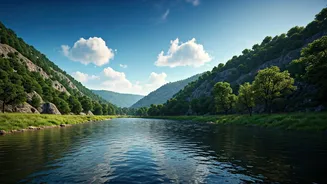
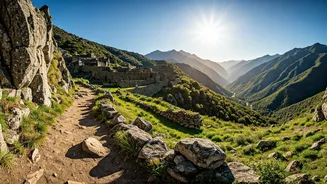
A resort’s idea of nature is often a perfectly manicured lawn and a few strategically placed flower beds. It’s pleasant, but it’s not wild. In Jibhi and the surrounding Tirthan Valley, nature is the main event, and it is raw, sprawling, and breathtaking. Instead of a concrete path, you have trails leading to hidden waterfalls like the Jibhi Waterfall. Instead of a golf course, you have a challenging but rewarding trek to Serolsar Lake or the historic Jalori Pass. The air is filled with the scent of pine and the sound of the gushing Tirthan River, not the faint hum of an air conditioning unit. It’s an experience that reminds you how grand and untamed the Himalayas truly are.
Deep Solitude Over Constant Crowds
The biggest complaint about popular hill stations is the crowd. You go to find peace but end up in a traffic jam on Mall Road, waiting in line for a table, and hearing your neighbour’s TV through the thin hotel wall. Jibhi’s appeal lies in its relative quiet. While it's no longer a complete secret, its capacity is naturally limited by the small-scale nature of its accommodations. This means you can find genuine pockets of solitude. You can sit by the river with a book for hours, disturbed only by the sound of birds. You can trek for an hour and meet only a handful of fellow hikers. This search for silence—a true luxury in modern India—is a primary driver for those who choose Jibhi’s serene valleys.
The Slow Pace Over a Packed Itinerary
Resort holidays can sometimes feel like a checklist. 9 AM: Breakfast buffet. 11 AM: Swimming. 2 PM: Indoor games. 4 PM: Spa. You're so busy 'relaxing' that you end up exhausted. Jibhi encourages a different rhythm: slow travel. There's no pressure to do anything. The goal is to simply be. Wake up late, find a sunny spot in a café, take a long, aimless walk through a cedar forest, or spend an afternoon chatting with your homestay host. It’s about letting go of the city's frantic pace and tuning into the slower, more deliberate pulse of the mountains. This philosophy of doing less but experiencing more is a powerful antidote to urban burnout.
Meaningful Spending Over Commercial Packages
When you stay at a large resort chain, it can be hard to see where your money goes. In Jibhi, the impact is direct and visible. By choosing a local homestay, eating at a small family-run dhaba, or hiring a local guide, your spending directly supports the community. This creates a more meaningful transaction. Travellers are increasingly conscious of their environmental and economic footprint. Supporting sustainable, community-based tourism models like the one flourishing in Jibhi feels more responsible and rewarding than contributing to a large corporation’s bottom line. It’s a vote for a kind of tourism that preserves rather than exploits.