
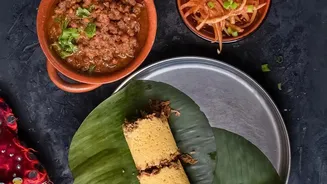
Sarson da Saag from Punjab
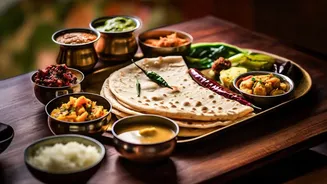
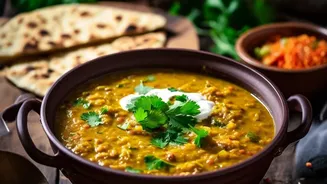
A quintessential winter dish from Punjab, Sarson da Saag is a robust and flavourful preparation made from mustard greens (sarson). Often combined with other leafy greens like spinach (palak) and bathua to balance the sharp taste of mustard, it's slow-cooked
to a creamy consistency. The dish is traditionally thickened with maize flour (makki ka atta) and finished with a tempering of ghee, garlic, and ginger. This hearty and nutritious saag is almost inseparable from its classic partner, Makki di Roti (maize flour flatbread), and a generous dollop of white butter, making it a staple in Punjabi households during the colder months.
Gajar ka Halwa from North India
No Indian winter is complete without the comforting aroma of Gajar ka Halwa. This sweet pudding, with origins tracing back to the Mughal era, is a beloved dessert across North India. It is made by slow-cooking grated carrots, particularly the sweet red variety available in winter, with milk until the mixture thickens. Sugar, ghee, and fragrant cardamom are added to create a rich, dense texture. Often garnished with almonds, pistachios, and raisins, this dessert is a warm, soulful indulgence served at family gatherings and celebrations throughout the season.
Undhiyu from Gujarat
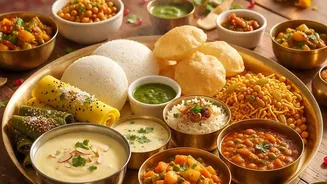
Undhiyu is Gujarat's signature winter delicacy, a complex mixed-vegetable casserole that celebrates the season's harvest. Its name comes from the Gujarati word 'undhu', meaning 'upside down', which refers to the traditional method of cooking it in an inverted earthen pot buried underground. The dish features a medley of winter vegetables like surti papdi (flat beans), purple yam, baby potatoes, and raw bananas. These are stuffed with a masala of coconut, coriander, and garlic and layered with fried fenugreek dumplings called muthia. Slow-cooked to perfection, Undhiyu is a rich, savoury dish most famously enjoyed during the Uttarayan kite festival.
Nolen Gurer Payesh from Bengal
In Bengal, winter announces the arrival of 'nolen gur', or fresh date palm jaggery. This seasonal jaggery is the star ingredient in Nolen Gurer Payesh, a traditional rice kheer. Made with fragrant Gobindobhog rice, full-fat milk, and the prized nolen gur, this dessert has a unique smoky, caramel-like sweetness. The rice and milk are slow-simmered until thick and creamy before the jaggery is stirred in, infusing the pudding with its distinct flavour and aroma. Available in both solid (patali) and liquid (jhola) forms, nolen gur makes this payesh an eagerly awaited winter treat.
Gushtaba from Kashmir
Hailing from the picturesque valleys of Kashmir, Gushtaba is often called the 'dish of kings'. It is the grand finale of the traditional Wazwan feast, a multi-course meal central to Kashmiri culture. Gushtaba consists of large, incredibly soft meatballs made from meticulously hand-pounded mutton. These tender meatballs are simmered in a rich, creamy gravy made from yogurt (yakhni) and delicately flavoured with spices like fennel, dried ginger, and cardamom. The mild yet aromatic dish offers a melt-in-the-mouth texture and is a testament to the sophisticated culinary heritage of the region, perfect for warming up during the harsh winters.
Til Pitha from Assam
Til Pitha is a traditional Assamese snack that holds special significance during the winter harvest festival of Magh Bihu. These are delicate, cylindrical rolls made from a glutinous rice flour wrapper called 'bora saul'. The wrapper is prepared by spreading a thin layer of rice powder on a hot griddle. It is then filled with a mixture of roasted and ground black sesame seeds (til) and jaggery (gur), before being rolled up. The result is a delightfully crispy and chewy snack that offers a perfect balance of nutty and sweet flavours, enjoyed with a warm cup of tea on cold winter days.
Sakkarai Pongal from South India
Sakkarai Pongal, or sweet pongal, is a cherished South Indian dish prepared during the harvest festival of Pongal in mid-January. It is a sweet porridge made from newly harvested rice and moong dal, cooked until soft and mushy. The dish gets its rich sweetness from jaggery, which is melted into a syrup and mixed into the cooked rice and dal. Generous amounts of ghee, along with fragrant cardamom and fried cashews, complete this offering. Often prepared as a 'prasadam' (offering) in temples, Sakkarai Pongal symbolises gratitude and abundance.