
1. Go Vertical on Your Walls
When floor space is limited, your walls are your best friends. Vertical gardening isn't just for balconies; it's a brilliant way to create a living 'art piece' indoors. Consider using wall-mounted pocket planters made of felt or canvas, which can hold
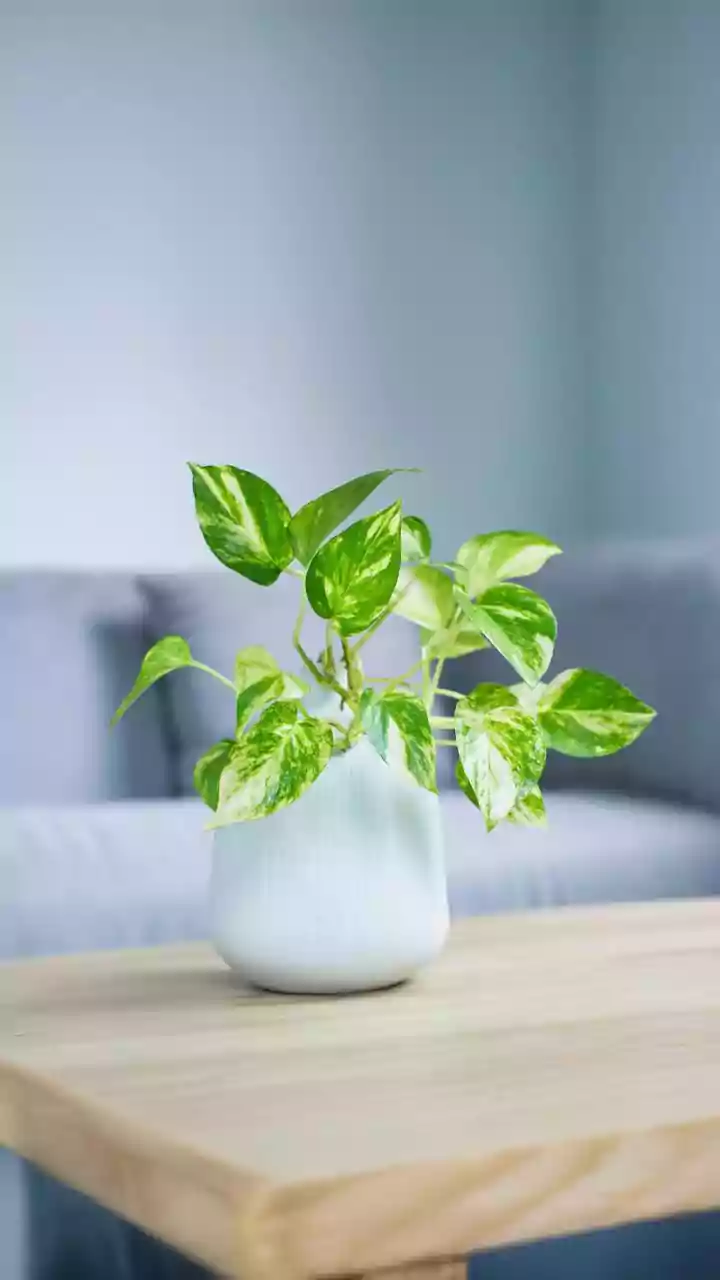
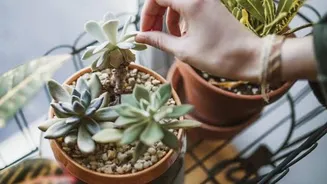
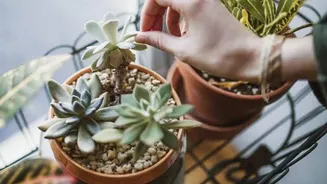
several small plants at once. Another option is installing a few floating shelves to display a collection of pots. This method draws the eye upward, creating an illusion of height and space. For this, choose low-maintenance plants that won't grow too large. Good options include various types of Pothos, which are forgiving and have beautiful trailing vines, or compact succulents that require minimal watering.
2. Hang Them High From the Ceiling
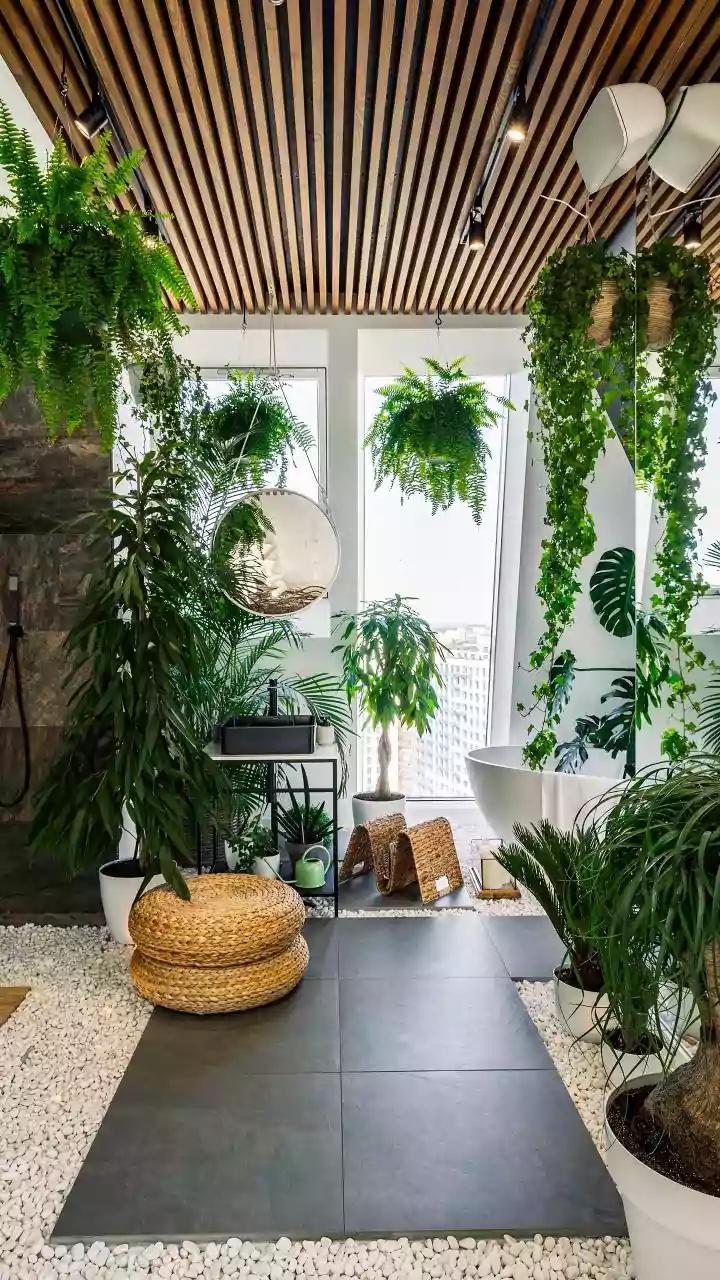
Hanging planters are a classic for a reason: they occupy unused overhead space, freeing up floors and surfaces. This is perfect for adding lush, trailing plants that create a 'jungle' effect without getting in the way. Macramé hangers offer a bohemian touch, while sleek metal or ceramic planters can fit a more modern aesthetic. Good candidates for hanging include the Spider Plant, with its arching leaves and baby plantlets, the String of Pearls, and the ever-popular English Ivy. These plants drape beautifully, adding texture and movement to a room. Just be sure to secure the hooks properly and check with your landlord if you're renting.
3. Make Use of Awkward Corners
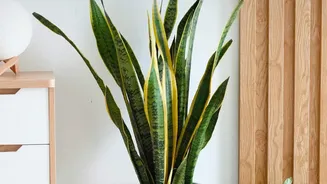
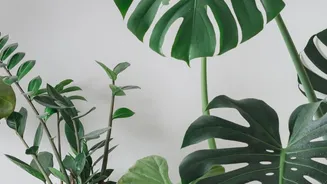
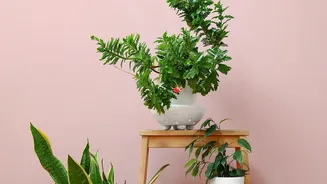
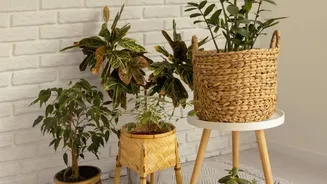
Every room has an awkward, empty corner that seems to serve no purpose. This is the perfect spot for a plant. Instead of letting it gather dust, transform it into a green focal point. A single, tall, and narrow plant can add a dramatic vertical element without a large footprint. Consider a Snake Plant, which is famously resilient and thrives in low light, or a ZZ Plant, known for its glossy leaves and tolerance for neglect. Both are architectural and require minimal care, making them ideal for a forgotten corner. Placing a plant here softens the room's hard edges and makes the space feel more intentional and complete.
4. Cluster Small Plants on Surfaces
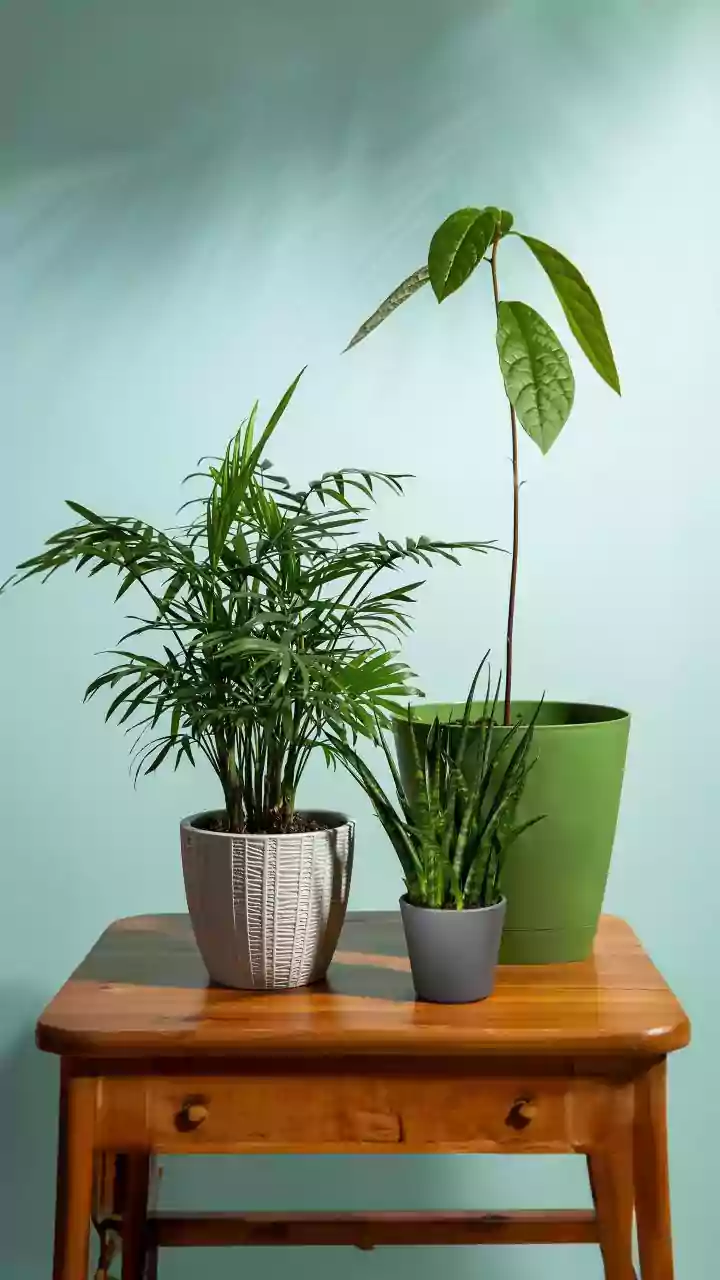
You don't always need a single large plant to make an impact. Grouping several small plants together can create a lush, curated display on a windowsill, bookshelf, or side table. The key is to choose plants of varying heights, textures, and leaf shapes to create visual interest. A mix of small succulents, a compact Peace Lily, and a Heartleaf Philodendron can look stunning. Using planters of similar colours or materials will create a cohesive, clutter-free look. This approach allows you to enjoy a variety of greenery and is easy to rearrange whenever you want a change of scenery.
5. Choose Low-Light, Low-Fuss Plants
The best plants for small spaces are often those that don't demand much. Many apartments or smaller rooms may not have large, sun-drenched windows. Thankfully, many species thrive in low to medium light. The ZZ Plant and Snake Plant are top contenders, as they tolerate shade and infrequent watering. Pothos and Philodendrons are also incredibly adaptable and will happily grow in dimmer corners, their trailing vines adding a soft touch. The Cast Iron Plant lives up to its name, being nearly indestructible and perfect for beginners. Choosing these resilient varieties means you can get the green look without the high-maintenance worry.