





The Calorie Lie: Not All Are Created Equal
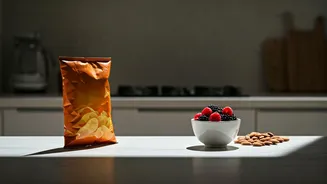
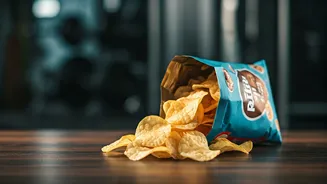
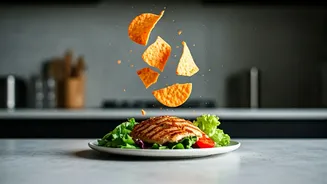
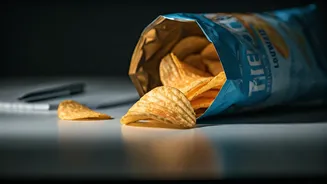
The first hurdle in understanding this fitness paradox is moving past the idea that a calorie is just a calorie. While calorie balance is fundamental, the quality of those calories dramatically influences how your body uses them. A 200-calorie snack of chips
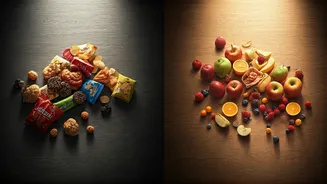
or cookies behaves very differently in your system than 200 calories of Greek yoghurt and berries. Ultra-processed snacks are often stripped of fibre and protein, two key elements for satiety. They are designed to be hyper-palatable, making them easy to overeat. Research has shown that even when calorie and macronutrient counts are identical, diets high in ultra-processed foods can lead to weight gain and hormonal disruptions compared to diets of whole foods. Your body expends more energy digesting whole foods, and their nutrient profile supports muscle repair and metabolic health, whereas processed snacks offer little more than empty energy.
The Blood Sugar and Insulin Rollercoaster
Many popular processed snacks are loaded with refined carbohydrates and added sugars. When you eat them, your blood sugar spikes dramatically. In response, your pancreas releases a flood of insulin, a hormone whose job is to move sugar out of your blood and into your cells for energy. However, this rapid insulin surge is highly efficient at promoting fat storage. What follows the spike is an inevitable crash, leaving you feeling tired, foggy, and often craving more sugar. This cycle not only encourages your body to store fat but can also drain your energy, negatively affecting the intensity and motivation for your next workout. Consistent insulin spikes can also lead to insulin resistance over time, a condition where your cells stop responding properly to insulin, making fat loss significantly harder.
Inflammation: The Silent Saboteur of Recovery
Your fitness gains don't happen during your workout; they happen during recovery. This is when your muscles repair and grow stronger. Processed foods, however, can throw a wrench in this crucial process. Ingredients common in these snacks—such as certain vegetable oils, trans fats, and refined sugars—are known to promote chronic, low-grade inflammation throughout the body. When your body is in a state of inflammation, its ability to repair muscle tissue is compromised. Instead of focusing resources on recovery, your system is busy fighting off the inflammatory response, which can lead to longer periods of muscle soreness, reduced training capacity, and an increased risk of injury.
Nutrient-Poor Fuel for a High-Demand Engine
Think of your body as a high-performance engine; it needs high-quality fuel to run optimally. Hard workouts create a demand for essential nutrients—protein for muscle synthesis, and a wide array of vitamins and minerals (micronutrients) for energy production and cellular repair. Processed snacks are notoriously nutrient-poor. They often lack the quality protein, fibre, healthy fats, vitamins, and minerals your body is crying out for post-exercise. Research indicates that even if you meet your protein targets, a diet high in ultra-processed foods can result in slower muscle gain and more body fat because it lacks the crucial micronutrients needed for optimal protein synthesis and recovery. Studies have also linked high intake of these foods to reduced muscle quality, where fat begins to accumulate within the muscle tissue itself, compromising strength and function.
Making the Switch for Better Results
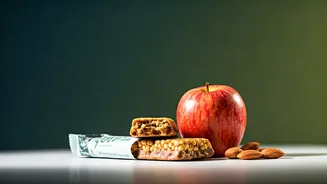
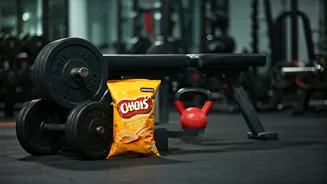
Breaking the cycle doesn't require a complete overhaul overnight. The goal is to shift the balance in favour of whole or minimally processed foods. Instead of a packet of crisps, try a handful of nuts or seeds. Swap a sugary cereal bar for an apple with peanut butter or a serving of paneer. These whole-food alternatives provide a balanced mix of protein, healthy fats, and complex carbohydrates, delivering sustained energy and the building blocks your body actually needs. Read ingredient labels; if the list is long and full of words you can't pronounce, it's a good sign the snack is ultra-processed. By making more mindful snacking choices, you provide your body with the quality fuel it needs to match the hard work you’re putting in at the gym.