






A Shock to the System
The International Energy Agency has sounded the alarm: global electricity consumption from data centres is on track to more than double by 2030, and the explosive growth of artificial intelligence is the primary culprit. According to a recent IEA report,
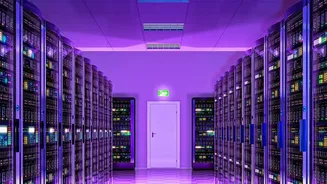
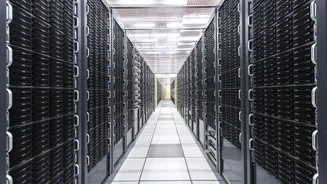
data centres, the physical brains of the internet, consumed an estimated 415 terawatt-hours (TWh) in 2024. That figure is projected to surge to nearly 945 TWh by 2030. To put that in perspective, the projected increase alone is more than the entire current annual electricity consumption of many industrialised nations, including Great Britain. The IEA attributes about three-quarters of this staggering growth directly to the demands of AI workloads. This rapid escalation poses a significant challenge not just for tech companies, but for national energy grids and global climate ambitions.
Why AI is So Power-Hungry
What makes AI so uniquely demanding? Unlike a simple web search, which might consume around 0.3 watt-hours of electricity, a single query to a generative AI model like ChatGPT can use nearly ten times that amount. The real energy drain, however, comes from training these complex models. Training a large model like GPT-4 is estimated to consume over 50 gigawatt-hours of electricity. This is because AI relies on thousands of specialised processors, like GPUs, running simultaneously for extended periods. These high-performance chips consume immense power and generate significant heat, which in turn requires energy-intensive cooling systems to prevent overheating. A standard server rack in a traditional data centre might use 7-10 kilowatts; a rack designed for AI can demand anywhere from 30 to over 100 kilowatts.
The Impact on India's Digital Ambitions
This global trend has profound implications for India, which is in the midst of its own data centre boom. Driven by data localisation policies, 5G rollout, and the government's 'IndiaAI' mission, the nation's data centre capacity has expanded dramatically, from 375 megawatts (MW) in 2020 to a projected 2,200 MW in 2025. India's Ministry of Power has already revised its own forecasts, now projecting that data centres will add an additional 26.3 gigawatts (GW) of electricity demand by 2031-32, nearly doubling a previous estimate. This surge is testing the stability of the national grid, especially in tech hubs like Mumbai, Chennai, and Bengaluru where these facilities are clustered. Ensuring a stable, adequate power supply is rapidly becoming as crucial to India's AI goals as developing the algorithms themselves.
A Looming Carbon Footprint
More electricity consumption often means more carbon emissions. The IEA warns that the carbon emissions from the world's data centres are set to rise by 70% by 2030. The key factor is the source of the electricity. In the US, natural gas is expected to supply about 60% of the power for data centres by 2030, while in China, coal could provide half the power for its AI facilities. While many tech giants are the world's largest corporate buyers of renewable energy, the sheer pace of demand growth is outstripping the development of clean power sources in many regions. This means that, for the near future, fossil fuels are set to fill a significant part of the gap, complicating the industry's 'climate neutral' pledges.
The Search for Sustainable Solutions
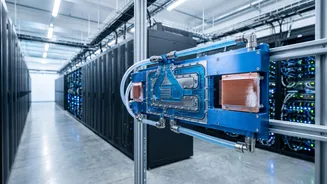
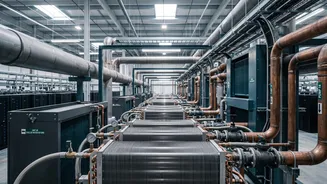
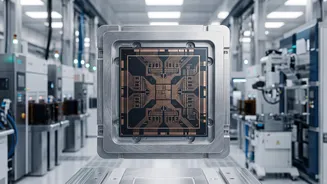
The industry is not standing still. A frantic race for efficiency is underway on multiple fronts. This includes developing more efficient AI models, designing new, less power-hungry computer chips, and innovating in data centre operations. Improvements in cooling technology, such as shifting from air to more efficient liquid cooling, are critical. At the same time, the immense power needs are forcing a strategic rethink of energy sources. Some data centre operators are investing directly in renewable energy projects like solar and wind farms through Power Purchase Agreements (PPAs). In a sign of the times, some are even exploring partnerships for dedicated nuclear power, as seen with Microsoft's deal to power facilities from the Three Mile Island nuclear plant, signaling a potential new direction for powering the digital future.