



The Secret to an Effortless Garden
The dream for many homeowners is a garden bursting with colour and life, but the reality often involves a demanding routine of watering, fertilizing, and pest control. There is, however, a growing movement that offers a simpler path. By choosing plants
that are native to your specific region in India, you are working with nature, not against it. Native plants are species that have evolved over thousands of years in a particular area, adapting perfectly to the local climate, soil, and rainfall patterns. Unlike exotic species, which may struggle in unfamiliar conditions, native plants are naturally resilient and self-sufficient, making them the foundation of a truly low-maintenance garden. This approach is not just about saving time; it's about creating a sustainable and ecologically balanced space that feels effortlessly beautiful because it belongs right where it is.
More Beauty, Less Work
The practical benefits of choosing native plants are significant. One of the biggest advantages is their reduced need for water. Once established, native species are well-adapted to local rainfall and can often thrive with little to no supplemental irrigation, making them perfect for India's varied and sometimes harsh climates. This resilience also extends to pests and diseases. Since they have co-evolved with local insects and microorganisms, they possess natural defences, drastically reducing the need for chemical pesticides and fertilizers. This not only saves you money but also creates a healthier environment for your family and local wildlife. Furthermore, native plants contribute to better soil health; many have deep root systems that improve water infiltration and prevent erosion.
A Living Ecosystem in Your Backyard
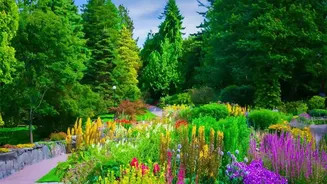
A native garden is more than just a collection of plants; it is a thriving habitat. These plants provide essential food and shelter for local wildlife, including birds, butterflies, bees, and other beneficial insects. Planting native flowers like marigolds, hibiscus, or jasmine can create a vibrant pollinator garden, supporting the biodiversity that is crucial for a healthy environment. Trees such as Neem, Peepal, and Jamun not only offer shade and purify the air but also attract a variety of birds and small animals. By cultivating a garden of native species, you are actively helping to restore local ecosystems, preserve biodiversity, and counter the threats posed by habitat loss and invasive species.
Easy Native Plants to Get You Started
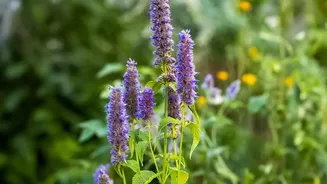
Starting your native garden is as simple as choosing the right plants. Many beautiful and hardy options are available across India. For vibrant flowers, consider the cheerful Marigold (Tagetes), aromatic Jasmine (Jasminum), or the iconic Hibiscus. For fragrant additions, Holy Basil (Tulsi) is not only sacred and medicinal but also known to repel pests. If you have more space, native trees like the Neem (Azadirachta indica), known for its drought tolerance and medicinal properties, or flowering beauties like the Flame of the Forest (Palash) and Indian Laburnum (Amaltas) can become stunning focal points. Many of these plants, like the Drumstick Tree (Moringa oleifera), are also incredibly versatile, offering culinary and medicinal uses.
How to Begin Your Native Garden
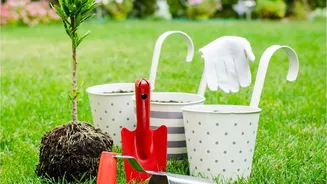
You don't need to overhaul your entire garden at once. Starting small is a great approach. Begin by identifying a small patch and preparing the soil by removing weeds. Research local nurseries that specialize in native plants to find species best suited for your specific area's sun, shade, and soil conditions. When planting, give each plant enough space to reach its mature size. For the first few months, your new plants will need regular watering to help their root systems get established. After this initial period, you’ll notice they require significantly less attention than their non-native counterparts. The 'minimal care' routine truly kicks in once the plants are settled, freeing you to simply enjoy the natural beauty you've cultivated.