

Your Gut: A Bustling Inner World
Your digestive system is home to trillions of microorganisms, including bacteria, viruses, and fungi, collectively known as the gut microbiome. Think of it as a complex and bustling ecosystem that plays a crucial role in your overall health. This inner
world isn't just responsible for digestion; it's involved in absorbing nutrients, supporting your immune system, and even communicating with your brain. A healthy, diverse microbiome is essential for these processes to run smoothly. When the balance of good and bad bacteria is disrupted, it can impact everything from your digestion to your energy levels.
The Gut-Brain Connection
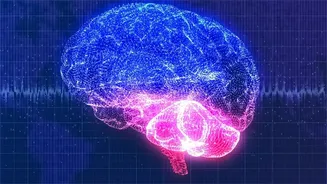
The idea that your gut and brain are in constant communication might sound strange, but it's a well-established scientific reality known as the gut-brain axis. This two-way street means that your thoughts and emotions can affect your gut, and conversely, the state of your gut can influence your mood and mental clarity. Your gut microbes produce a vast number of chemical messengers, including neurotransmitters like serotonin, often called the 'feel-good' hormone. An imbalanced gut can disrupt this production, which researchers believe may contribute to feelings of anxiety and low mood. Nurturing your gut is, therefore, an essential part of nurturing your mind.
From Gut Slump to Energy Boost
Persistent fatigue isn't always about needing more coffee. Your energy levels are directly linked to how efficiently your body extracts and uses nutrients from food, a process heavily influenced by your gut bacteria. A healthy microbiome aids in breaking down food and absorbing vital energy-boosting nutrients like B vitamins and iron. Furthermore, gut microbes ferment dietary fiber to produce compounds called short-chain fatty acids (SCFAs). These SCFAs serve as a direct energy source for the cells lining your colon and play a role in regulating your metabolism. An unhealthy gut may struggle with nutrient absorption and produce fewer SCFAs, contributing to that all-too-familiar feeling of being drained.
Fermented Foods: Your Gut's Best Friends
This is where fermented foods come in. Fermentation is an age-old process where microorganisms like bacteria and yeast break down sugars in food. This process not only preserves the food but also enriches it with beneficial live bacteria known as probiotics. Including probiotic-rich foods in your diet is one of the most effective ways to support a diverse and thriving gut microbiome. Many of these foods are already a staple in Indian cuisine. Simple, everyday items like Dahi (curd), Idli, Dosa, and Dhokla are fantastic sources of gut-friendly bacteria. Other great options include Kanji, a traditional fermented drink, and various regional pickles (achaar).
How to Get Started
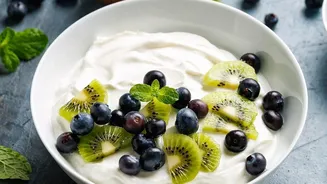
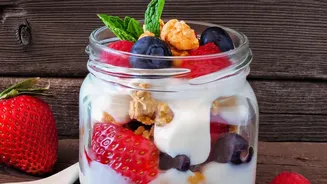
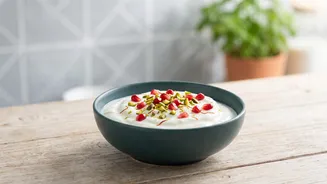
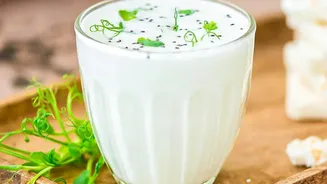
Incorporating fermented foods into your diet doesn't require a complete overhaul. The key is consistency. Aim to include one serving of a fermented food in your daily meals. This could be as simple as having a bowl of Dahi with your lunch, starting your day with Idli or Dosa, or enjoying a glass of Chaas (buttermilk). When choosing products like yogurt, look for ones that contain 'live and active cultures' and have minimal added sugar. The goal is to nourish your gut bacteria, not feed the less desirable microbes that thrive on sugar. Be mindful that introducing a lot of fermented food at once can sometimes cause temporary digestive changes, so it's best to start slow and see how your body responds.